India’s humanitarian assistance to flood-hit Nepal is now reaching Kathmandu as the neighbouring country grapples with a devastating natural disaster that has claimed at least 160 lives and left hundreds of people missing.
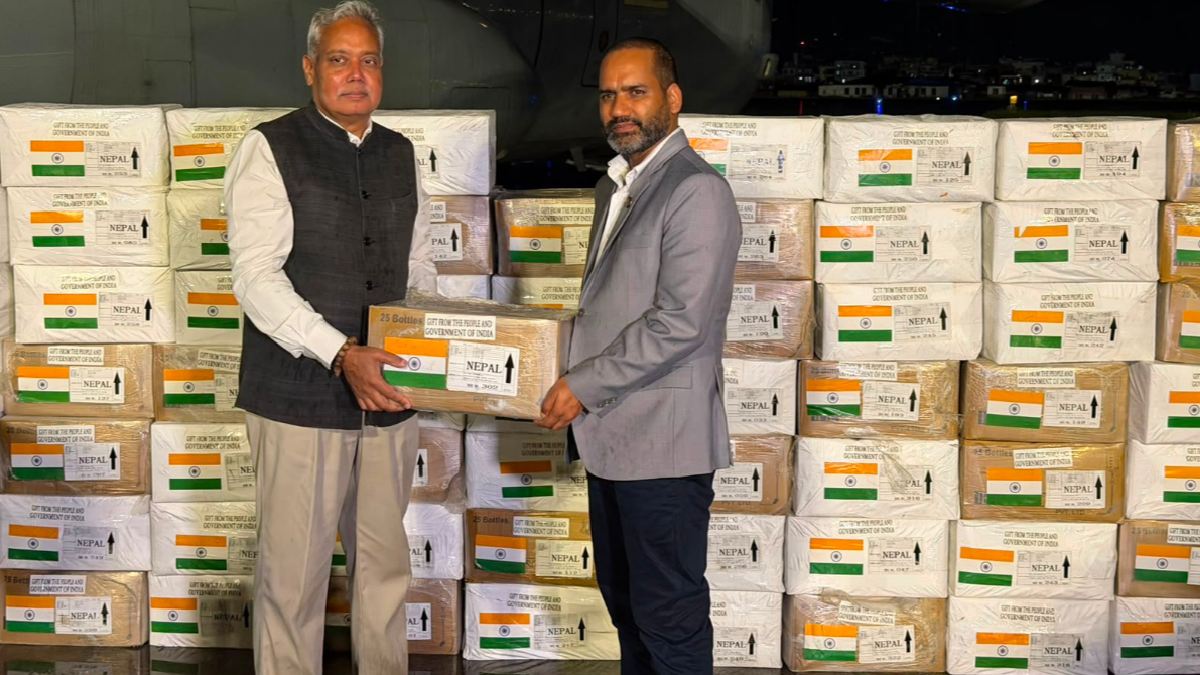
External Affairs Minister S Jaishankar on Wednesday said India’s Humanitarian Assistance and Disaster Relief (HADR) and medical assistance had arrived in Kathmandu. As the scale of the disaster continued to unfold, he added, “we are also mobilising additional support.”
"India’s HADR and medical assistance has reached Kathmandu. More assistance is being mobilised to support relief efforts,” Jaishankar said in a post on X. His announcement came after India sent 10 tonnes of HADR assistance and essential medicines to help Nepal deal with the devastating floods and landslides.
India’s HADR and medical assistance has reached Kathmandu.
— Dr. S. Jaishankar (@DrSJaishankar) August 26, 2026
More assistance is being mobilised to support relief efforts.
🇮🇳🇳🇵 pic.twitter.com/dN7XZ5jJUs
India has also made it clear that it stands with Nepal in the current crisis. “In response to the heavy flooding, relief supplies” are going out to people affected by the floods and landslides and damage to the infrastructure, Jaishankar said.
PM Modi Assures Nepal Of India’s Full Support
India’s latest relief effort follows a conversation between Prime Minister Narendra Modi and Nepal Prime Minister Balendra Shah. Modi expressed his sympathy for the loss of lives and assured Nepal that India was ready to extend all possible humanitarian assistance to them.
“Our teams are coordinating closely on rescue and relief efforts,” Modi said while expressing solidarity with the people of Nepal.
The conversation highlighted the close ties between the two neighbouring countries and it occurred at a time when Nepal’s emergency agencies are struggling to reach affected communities, with damaged roads and bridges and flooding and landslides making it hard for them to respond, as well as for many places where they have been cut off, according to one report.
The disaster has also affected major infrastructure in the region. Bridges, hydropower facilities, roads and settlements have suffered damage, adding to the challenges faced by rescue teams trying to locate missing people and evacuate those stranded in vulnerable areas.
Nepal Floods Leave Heavy Trail Of Destruction
Floods and landslides along the Nepal-China border have caused widespread damage, with the death toll rising to at least 160 and hundreds of people still missing. Homes and infrastructure have been destroyed, and entire villages have been littered with debris as floodwaters swept through towns and villages.
Rescue teams still face difficult conditions while searching for survivors and providing emergency assistance. The destruction of bridges and roads has made access to some affected areas particularly challenging, increasing the urgency of international and regional humanitarian support.
India’s decision to send emergency supplies is part of the country’s broader support for neighbors in the face of disasters. If more assistance is needed, then there’s no doubt that New Delhi will continue to liaise with the Nepalese authorities as relief operations progress.
US, EU Join International Expressions Of Solidarity
India is not alone in giving aid to Nepal. The U.S. and the European Union also have shown solidarity with Nepal and expressed their readiness to assist in humanitarian efforts.
US Secretary of State Marco Rubio said Washington was “united in prayer for the Nepali people” and that the US State Department “stands ready to support” Nepal with humanitarian assistance. The statement also showed the extent to which Washington is willing to assist with relief efforts as Nepal has to cope with the aftermath of the floods and landslides.
We express our solidarity and are united in prayer for the Nepali people following the devastating floods. @StateDept stands ready to support the Government of Nepal with needed humanitarian assistance.
— Secretary Marco Rubio (@SecRubio) August 26, 2026
The European Union has also said it stands ready to assist Nepal’s emergency response. That solidarity comes as the country is working to pull stranded people out of the chaos, provide medical assistance and restore essential services in badly affected areas.
Germany’s Chancellor Friedrich Merz expressed concern for Nepal and China as well. He was deeply distressed at the moment and he sent his thoughts to victims and their families and those involved in rescue and relief operations. Germany would support the efforts in the difficult days to come, he said.
UK, Canada Extend Assistance To Their Citizens
Other countries are taking steps to respond to the disaster. Britain’s consular team is working with local authorities to assist British nationals who may have been affected by the floods and landslides.
Canada, meanwhile, advised its citizens in Nepal to register for its emergency tracking system. Such measures are intended to help authorities track and assist nationals who may be stranded or require emergency support.
Nepal’s immediate priority remains rescue operations, medical assistance and the delivery of essential supplies to affected communities, with many countries expressing readiness to help.
The arrival of the 10-tonne relief consignment in Kathmandu is an important first step in India’s emergency response. As Nepal still struggles to understand the full extent of the destruction, New Delhi has made clear that further assistance will be mobilised as required.
The disaster has once again served as a reminder of how regional collaboration in large-scale natural disasters is needed. Rescue teams are working on the ground and international partners are stepping up to help Nepal recover from one of its most devastating flood emergencies.