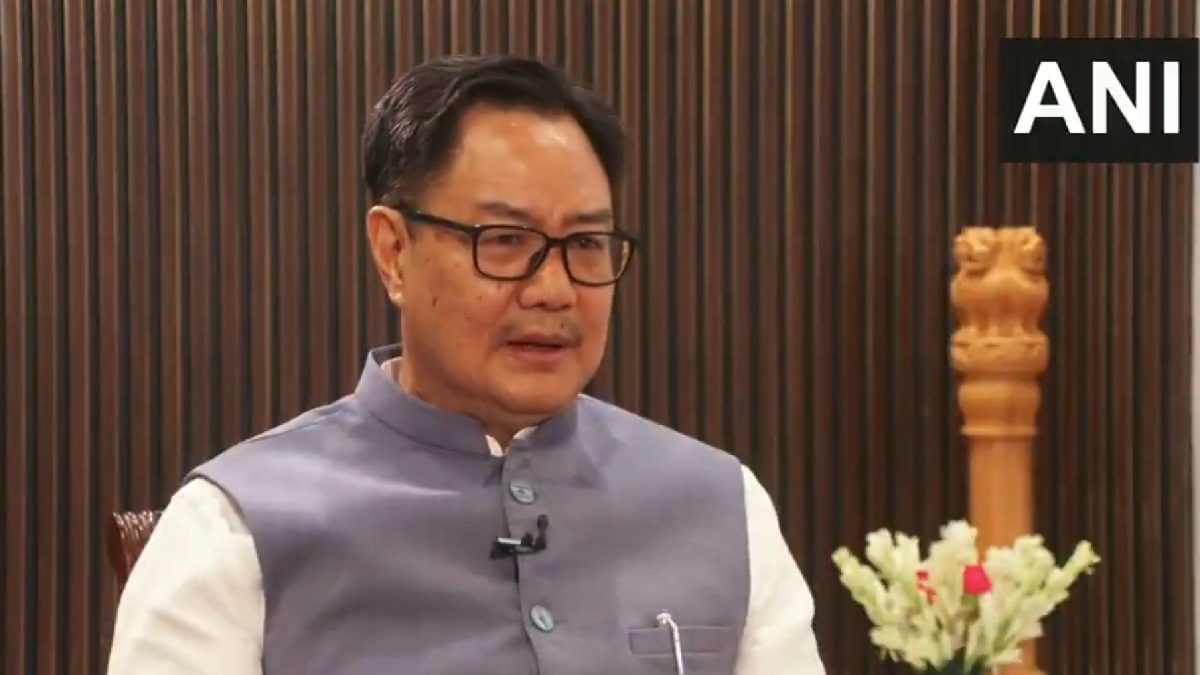
India has maintained that its foreign policy and energy choices will be guided by national interests not by external pressure following US President Donald Trump’s signing of the Lindsey O. Graham Sanctioning Russia and Iran Act of 2026. Central Minister for External Affairs Kirti Vardhan Singh said that it is the government’s function to protect the interests of the Indian people and to ensure the country’s energy security and economic stability.
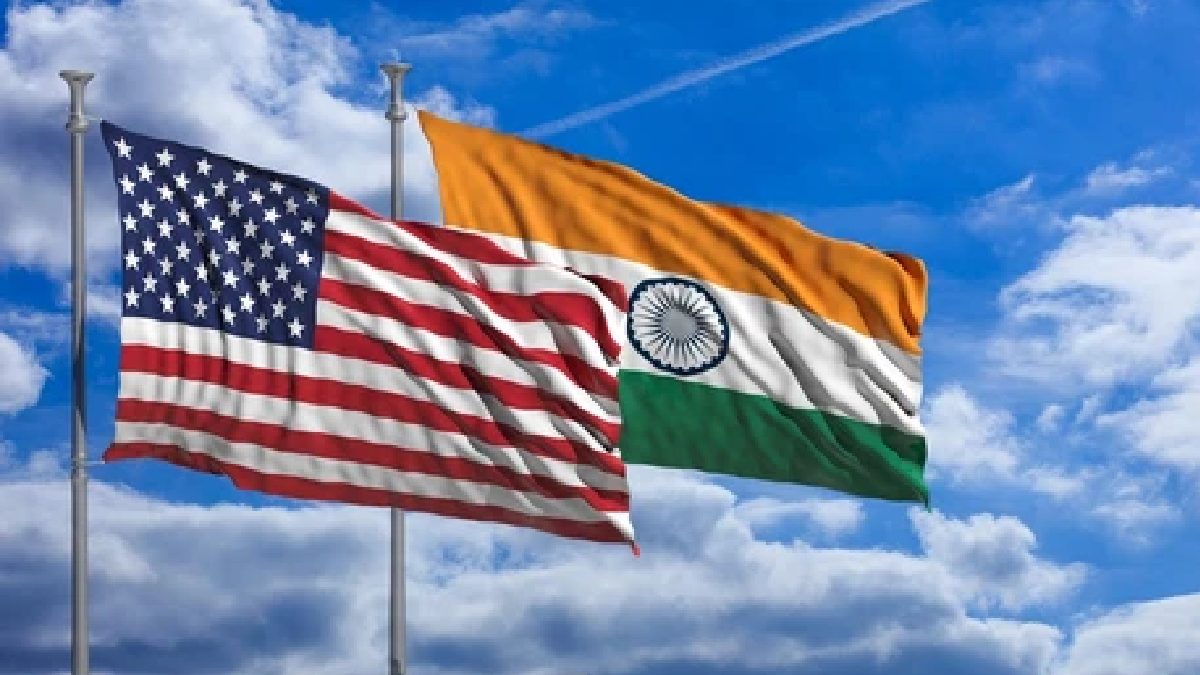
The speech came shortly after Trump signed the legislation into law on September 18. The new U.S. law expands sanctions and other restrictions on Russia and Iran and gives the president the authority to introduce up to 100 percent tariffs on goods from Russia and Iran under certain conditions related to the import of Russian crude oil or natural gas. India and China, which are the largest buyers of Russian crude, could be among those countries that would be at risk from these new measures.
Singh said India is a country that is independent of foreign policy and it will continue to make decisions of its own and will keep making decisions based on what is best for our country. He said the government’s top priority is the Indian population and measures are taking place in the betterment and security of India’s country and its people.
The minister also listed energy security as a top priority for New Delhi. India has always maintained that access to affordable and reliable energy is an important part of the protection of consumers and economic activity. Singh said India would be able to source energy from where it is commercially viable and economical to source energy from, and said energy procurement would continue to be made on the basis of economic and national-interest considerations.
The comments also confirmed India’s position on unilateral tariffs. Singh described the tariffs being imposed as unfair and said India would not make policy decisions simply because another country was exerting pressure. At a time when the new US legislation has raised the importance of countries maintaining their reliance on Russian energy, he added.
The Lindsey O. Graham Sanctioning Russia and Iran Act of 2026 substantially expands Washington’s sanctions framework. It targets Russian energy and defence sectors and deals with entities and vessels that violate sanctions. It also extends sanctions-related restrictions on Iran. The final version gives the US President much power to implement tariffs and sanctions.
The bill passed the US Senate 86-11 in August and was passed in the House of Representatives 262-159 on September 16. Trump signed the bill into law. The legislation has tariffs up to 100 per cent on countries such as major buyers of Russian oil and gas and it also adds to Russia’s energy and defence sectors.
The issue is particularly urgent for India because Russian crude is now a mainstay of India's energy procurement. If the price or availability of Russian oil changes drastically, so too will the fuel prices for refiners, the flow of trade and the economy as a whole. But the U.S. law will depend on the Trump administration’s choice of the tariffs.
#WATCH | Lucknow, UP: Responding to a question on the Russian Sanctions Bill and its possible impact on India, MoS MEA Kirti Vardhan Singh says, "The people of India are the top priority for our government. We will take every measure that benefits our public. We will take… pic.twitter.com/AeyRNdwnYP
— ANI (@ANI) September 19, 2026
So New Delhi has been focusing on energy security and economic concerns more than on Washington developments. Singh’s comments suggest that India will continue to have flexibility in choosing energy sources rather than committing to a particular supplier in advance or going by external pressure.
The recent developments only add to the tension between India and the U.S. that is already very deep and that is where we want to see and it is with India when we are talking about trade and energy and strategic issues. India’s response indicates that India will continue to examine the consequences of US sanctions and will be focused on domestic economic and energy needs.
So far India has kept telling us that it is concerned that it is a matter of security of energy for the population at a commercially viable price and the protection of national economic interest. As the U.S. administration is still mulling on how to use the powers of the new sanctions law, India will need to be attentive to the situation, and what will be the future of the economy if it does change due to the changing global energy situation and trade situation.