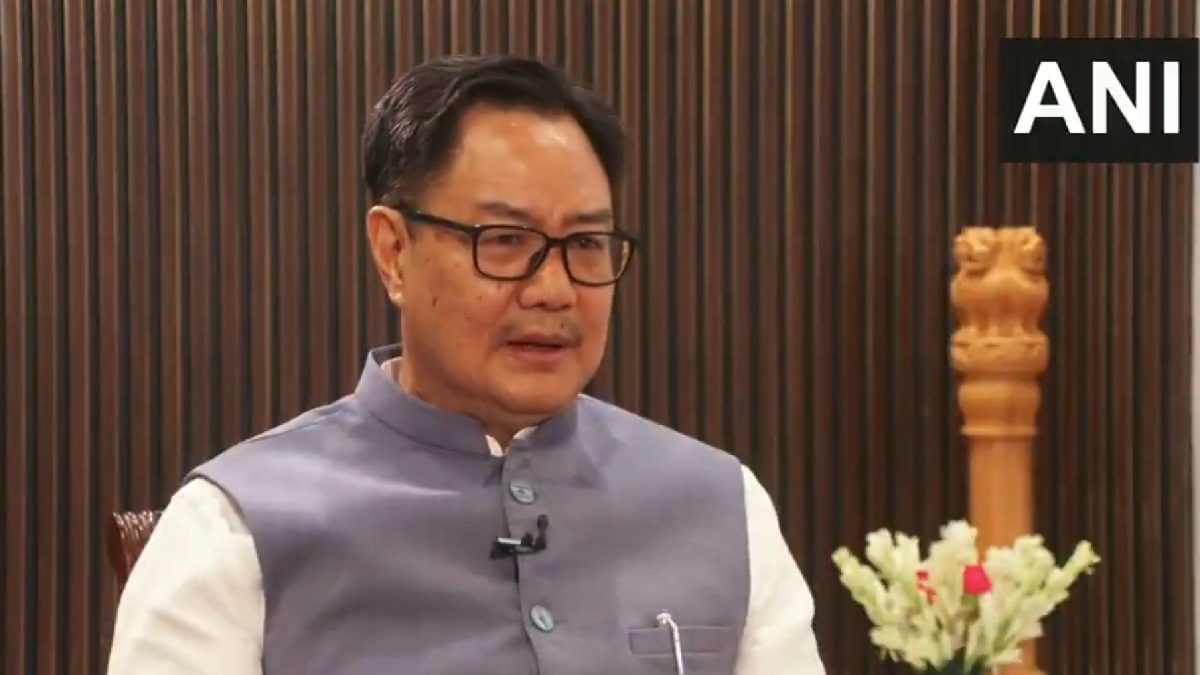
The election results of the Delhi University students’ union (DUSU) election of 2026 have generated political reactions, with Union Minister Kiren Rijiju commenting on the outcome of the DUSU elections and congratulating Akhil Bharatiya Vidyarthi Parishad (ABVP) candidates. Rijiju said that the DUSU election is always a symbolic as well as important contest and expressed the voice of Delhi University students.
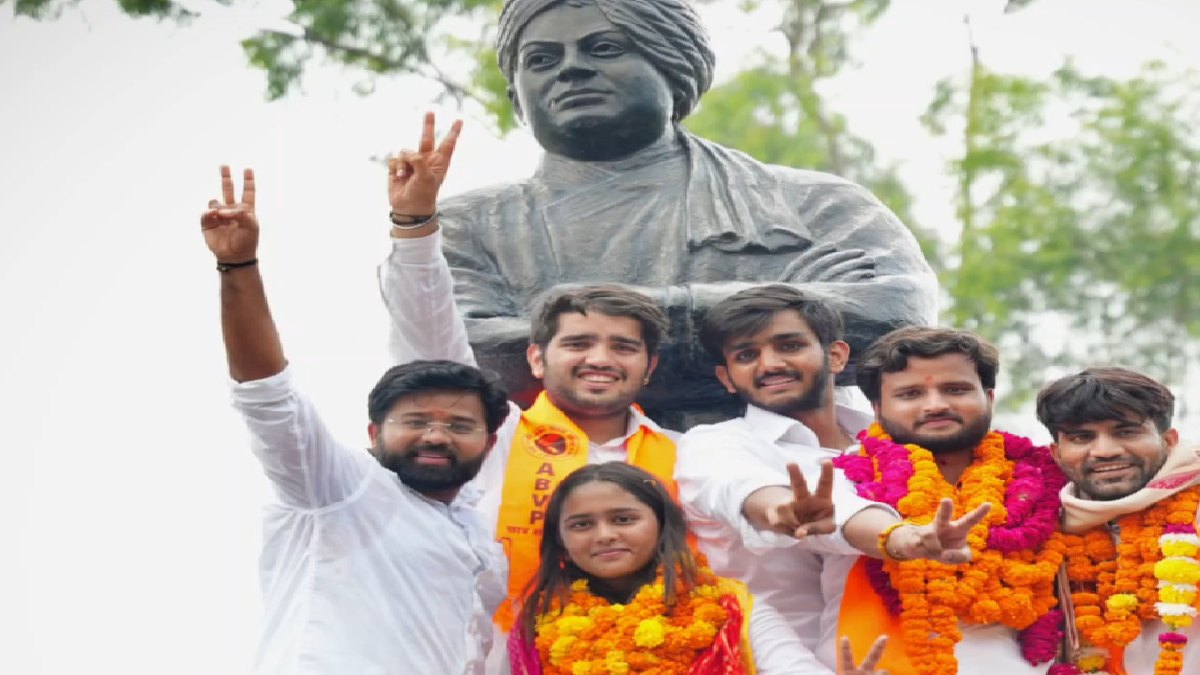
The final results on Saturday, September 19, showed ABVP winning three of the four central DUSU posts. ABVP's Yash Dabas was elected president, while Riya Chhawdi was elected secretary and Lakshya Raj Singh the joint secretary. The vice-president's position went to independent Deepanshu Shokeen, a former NSUI member.
Yash Dabas secured 24,576 votes, defeating NSUI candidate Vijay Shankar Meena with 22,523 votes. Riya Chhawdi won the secretary position with 21,650 votes, and Lakshya Raj Singh got 16,615 votes in the joint secretary election.
Deepanshu Shokeen emerged victorious in the vice-presidential election with 30,615 votes. ABVP's Ishu Maurya won 16,910 and NSUI's Vir Chatrath 4,313 votes. Shokeen's victory was especially remarkable as he had previously been associated with NSUI but ran as an independent candidate in the DUSU election.
Reactions on the results were as follows: Kiren Rijiju said that the DUSU election was “very important and very symbolic” and congratulated the ABVP candidates for their performance in the university election. Rijiju also said Congress could not win any of the four central DUSU positions and described the result as another setback for the party in the student-body election.
Rijiju added that the results showed that students were speaking out plainly through the electoral process. On the political messaging in the election he said that the “jhooth ka goonj” had been demolished and that students had spoken loud and clear.
The Union minister also described the DUSU election as a kind of referendum and linked the outcome to the wider voice of young people. His comments were in line with the outcome: ABVP retained three central positions while an independent candidate took the remaining one.
The DUSU elections are closely watched because Delhi University is one of India’s largest and most prominent higher-education institutions, and student politics on campus has historically involved organisations linked to major national political formations. This year’s election also saw a contest between ABVP, NSUI, Left-backed candidates and independents.
The election process was taking place in the context of increased attention on campus issues and campaigning. ABVP and NSUI supporters had clashes during the final campaigning period and security measures were strengthened for counting.
#WATCH | Delhi: On Delhi University Students' Union (DUSU) election results, Union Minister Kiren Rijiju says, "... Delhi University Students' Union election is very important and very symbolic. The AVBP has once again made a very big presence by getting a huge victory. Congress… pic.twitter.com/TpJ9EYnvYg
— ANI (@ANI) September 19, 2026
The final result was a mixed picture for the four central posts. ABVP won the presidency, secretary and joint secretary positions, while Deepanshu Shokeen won in the vice-presidential election. The results also showed that the presidential race was relatively close, with Dabas beating Meena by only a few thousand votes.
For ABVP the results bring representation in three of the four positions at DUSU. For NSUI the lack of four central posts is a very serious election result. Shokeen's victory underlines that independent candidates can still participate in university elections despite having well-established student organisations.
As the new representatives start their tenure, attention will likely shift from election campaigning to student issues and campus priorities. The results have already generated political discussion outside the university: leaders have also interpreted the outcome in their own ways. Rijiju’s comments put the election in the context of youth participation and student political expression.