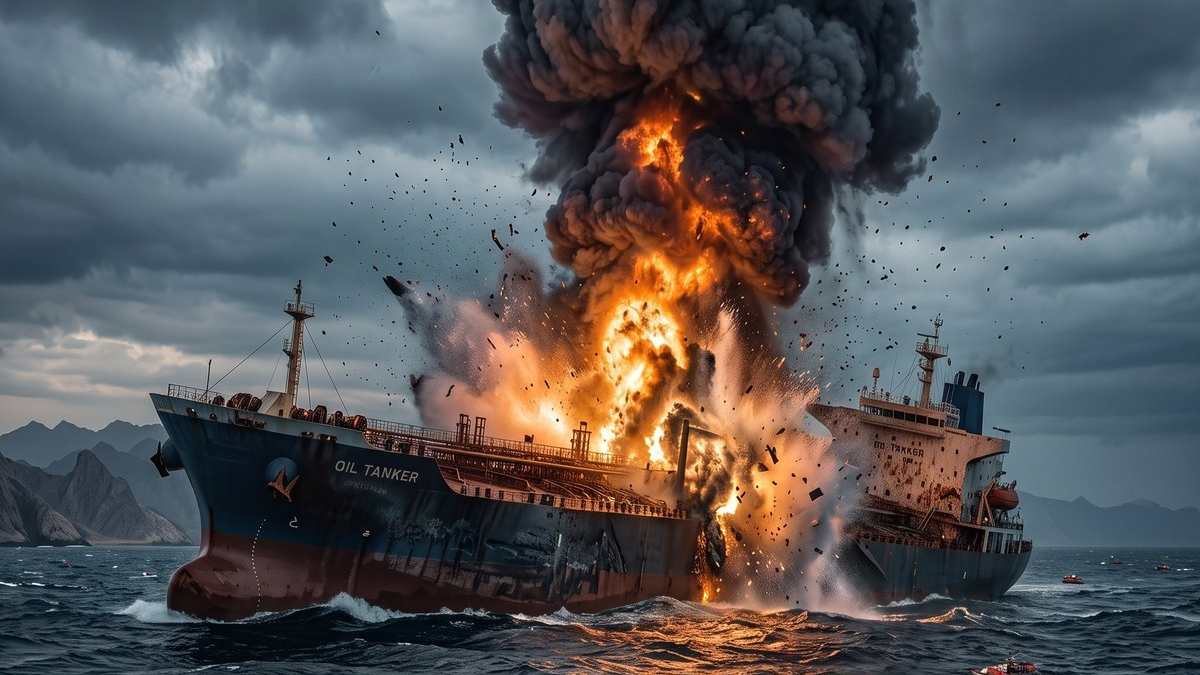
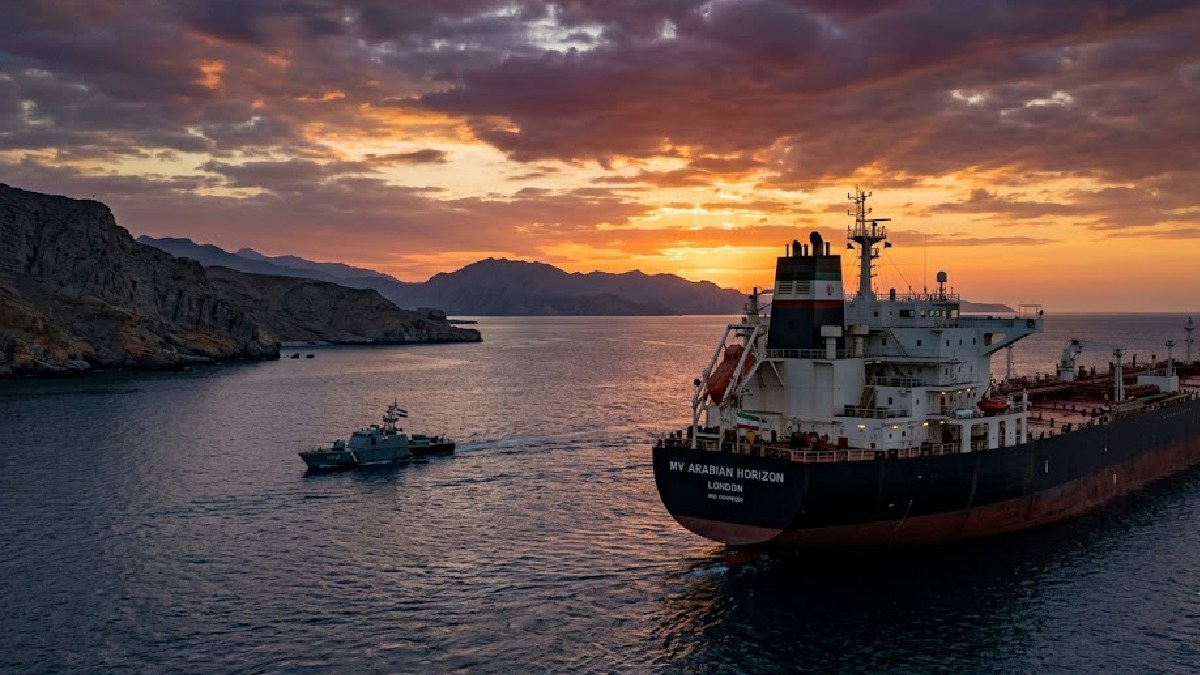
India has advised merchant navy sailors not to board vessels that are expected to sail through the Strait of Hormuz, citing growing security concerns in the Middle East.
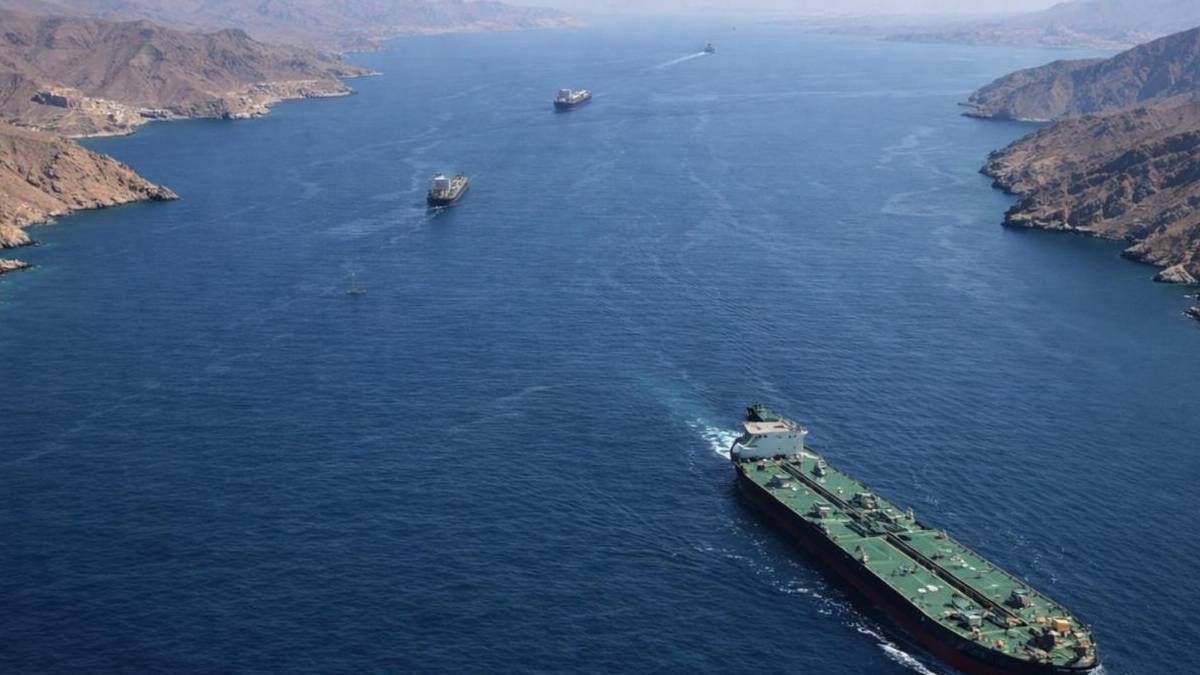
The precautionary advice comes at a time of rising regional tensions as more fears of disruption to one of the world’s busiest shipping corridors crop up.
The Strait of Hormuz is a narrow but strategically important waterway that links the Persian Gulf to the Gulf of Oman and the Arabian Sea. It is a key route for global energy trading with almost 20% of the world's crude oil and a large portion of liquefied natural gas (LNG) exports transiting through the passage every day.
If global trade, fuel prices, and shipping operations are affected by an unstable environment, the consequences will be severe.
With the security situation of the international maritime industry on the rise in the last few months, Indian maritime authorities have called on seafarers to take precautions before going on ships that are due to pass the Strait. And this is to protect the safety of the Indian crew working on merchant vessels operated by shipping companies around the world.
India is one of the world’s largest suppliers of the most competent merchant navy professionals, with thousands of Indian seafarers working on oil tankers, cargo ships, and container ships. With geopolitical tensions in the Gulf region very high, the safety and well-being of the workers is the key concern.
The advisory follows high military activity and the possibility that attacks on commercial vessels in the Strait of Hormuz are imminent. There is no ban on Indian sailors working in the region, but officials have said that they need to be cautious and aware of current security threats before moving to a job.
Shipping companies are also ramping up safety measures by reviewing voyage plans, conducting risk assessments, and working with international maritime security agencies. Commercial ships sailing through the region should be following shipping routes, and safety procedures are being advised to be followed, the shipping companies said.
Any disruption in shipping in the Strait of Hormuz will have a serious economic impact for the commercial shipping industry, industry experts say.
Oil and gas shipments will be affected when oil and gas imports are delayed in the Strait of Hormuz for long, and oil and gas shipments will lead to higher prices of crude oil and gas prices and transport costs, and the transportation cost and global supply chains will be hurt if the situation starts to get worse. Countries dependent on energy imports, including India, could be at risk of additional financial pressure if the situation worsens.
India is in a position to have diversified the sources of crude oil imports and has a lot of oil reserves, but there is always the Gulf region that plays an important role in the country’s energy requirements. The continuous transport of commercial shipping is a matter of energy security and trade.
In the eyes of Indian seafarers, the latest advisory is a preventive measure, not a restriction. Sailors are being encouraged by authorities to keep an eye on the situation and verify voyage details with their employers, and follow what is now official advice as the security situation in the country is changing.
With tension in the Middle East not easing, governments, shipping companies, and maritime agencies will continue to monitor developments closely.
The safety of seafarers and the safe flow of global commerce through the Strait of Hormuz will be the top priority of the international community.