Signs of a possible reset in India-Bangladesh relations have emerged after India’s High Commissioner to Bangladesh, Dinesh Trivedi, expressed optimism following a meeting with the country’s Foreign Minister in Dhaka.
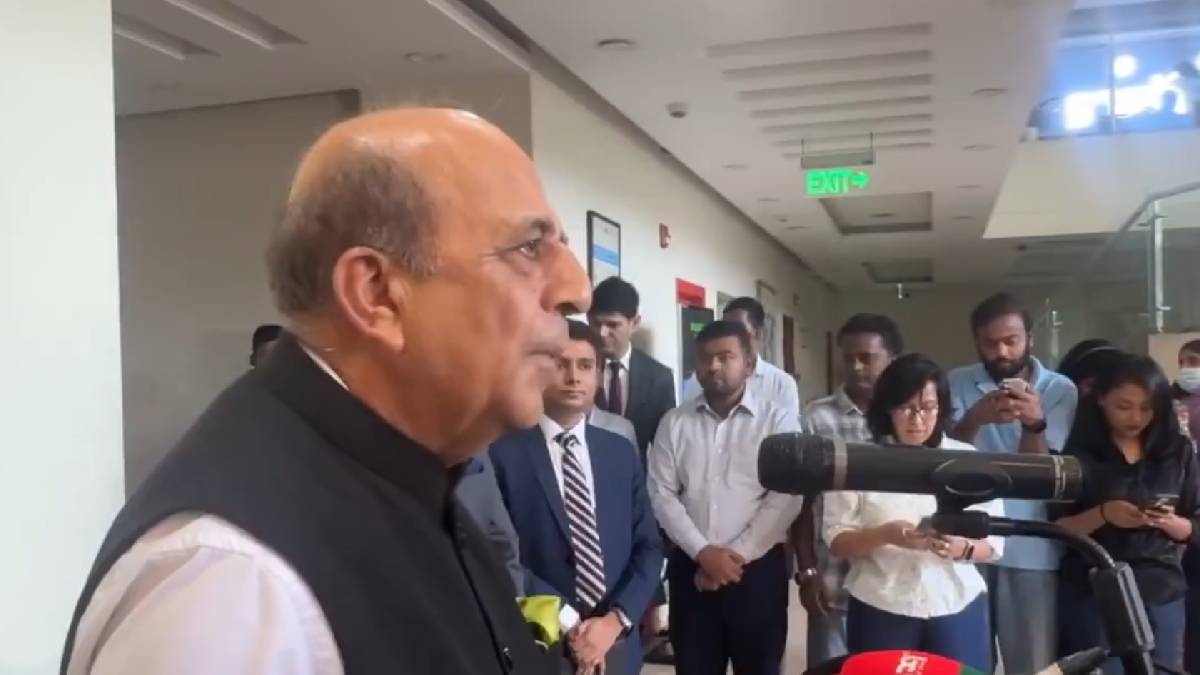
The Indian High Commissioner noted the deep historical, cultural and geographical connections between the two neighbouring countries after the meeting.
India-Bangladesh reset underway.
— Aditya Raj Kaul (@AdityaRajKaul) July 30, 2026
Indian High Commissioner to Dhaka Dinesh Trivedi speaking yesterday after meeting Foreign Minister in Dhaka:
“We share not only borders but history, culture and dreams”
High Commissioner says he is leaving from the meeting very happy. @ihcdhaka pic.twitter.com/tc9f2RJkGU
“We share not only borders but history, culture and dreams,” the High Commissioner said, underlining the broad foundation of ties between India and Bangladesh.
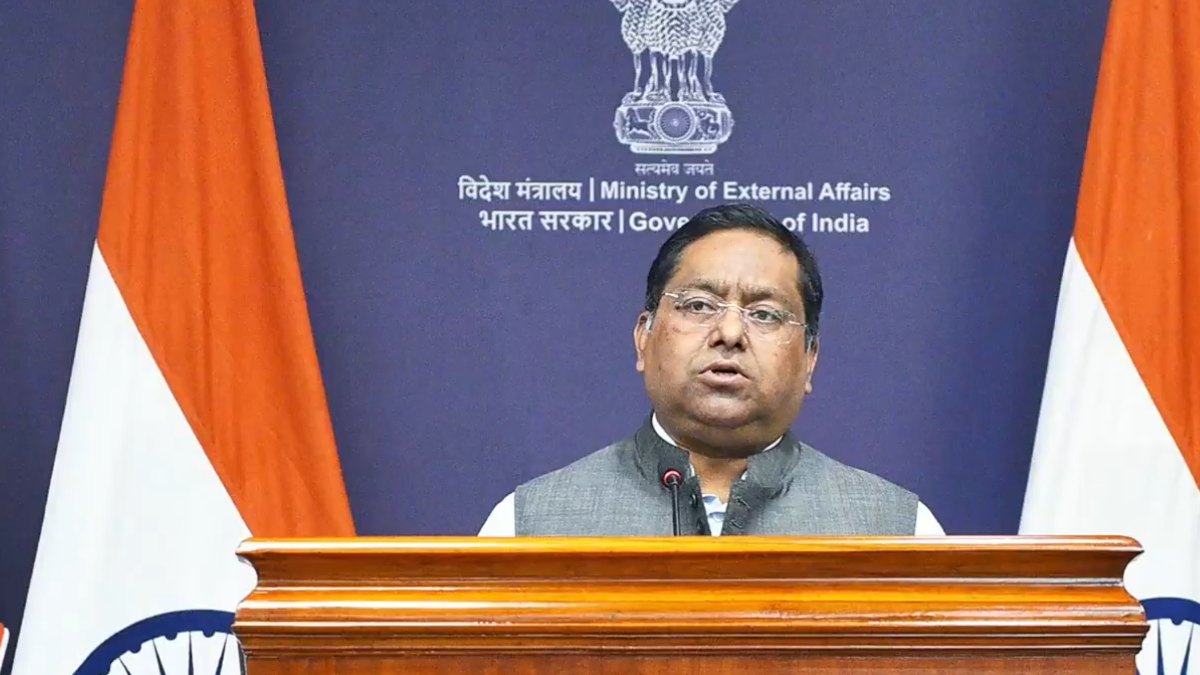
He also said he was leaving the meeting “very happy,” a comment that has received some attention as we debate the future of bilateral relations.
The meeting and the positive comments that followed have been seen as an encouraging sign for India-Bangladesh engagement. Relations between the two countries are based on a long shared history, people-to-people connections and cooperation in every field.
India and Bangladesh share one of the longest international land borders in the region. The two countries are also connected by trade, transport, energy, security cooperation, cultural exchange and cross-border connectivity projects.
The High Commissioner’s reference to shared history is important. India played an important role during Bangladesh’s Liberation War in 1971, and the historical relationship has remained a major part of bilateral engagement.
But it is not only that there has been a big effort across the decades to work together in multiple sectors, but a great deal of joint work in a lot of different sectors. Rail and road links, energy collaboration, and trade agreements have been one of the biggest economic and strategic linkages, and the other one has helped.
The assertion that India and Bangladesh share “culture and dreams” also highlighted the social and cultural ties that extend beyond formal diplomacy. The communities on both sides of the border share linguistic, artistic, literary and historical connections.
Such connections have kept people-to-people relations strong, and they have formed the basis for continued cooperation.
The High Commissioner’s very positive review of the meeting indicates that both sides may be attempting to strengthen communication and build greater confidence through diplomatic involvement.
The details of the discussions were not made public at the time, but the words indicate that the meeting was in a constructive atmosphere.
In diplomatic contacts between senior representatives, bilateral priorities, regional development, interaction, economic cooperation, and problems facing people on both sides of the border are usually discussed in bilateral talks. Such talks can also be an opportunity for dialogue and to address issues and the possibility of future cooperation.
If the reference to a “reset” is made, then it is an indication of the interest in the future of India and Bangladesh in how India and Bangladesh will interact in the coming period. But a reset does not mean that cooperation has ended. It might be new dialogue, new priorities and a new approach to trust building.
The two countries have a shared interest in regional stability, economic growth and better connectivity. And ongoing cooperation will help the region to trade, tourism and the movement of people and goods.
India and Bangladesh also have the potential to expand collaboration in infrastructure, energy, digital connectivity, education and cultural exchange.
The High Commissioner’s comments have been interpreted as a message of goodwill and optimism. He stressed the long-term relationship between the two countries rather than the diplomatic situation, and pointed out common borders, history, culture and aspirations rather than just the immediate diplomatic issue.
His statement that he was leaving the meeting “very happy” also indicated that the discussions were positive and that there may be room for continued engagement.
The development is also likely to be closely watched by diplomats, particularly as both nations are in search of stable and productive relations in a changing regional context.
As a neighbour of India, Bangladesh is still very much a key partner in South Asia. For Bangladesh, the good relationship with India is going to have a huge effect on trade, connectivity, security and regional cooperation.
The Dhaka meeting could thus be seen as a step towards a revived dialogue and closer cooperation.
As more details emerge, we will have to see whether the positive tone of the Indian High Commissioner leads to new initiatives or stronger cooperation between New Delhi and Dhaka.
For now, the message of the meeting is one of optimism: India and Bangladesh share not only a border but also a deep history, cultural ties and common aspirations for the future.