India-born scientist Dr. Satchidananda Panda, who has been a pioneer in circadian rhythms, metabolism and time-restricted eating research in the US, has resigned from his position at a top scientific university in the USA.
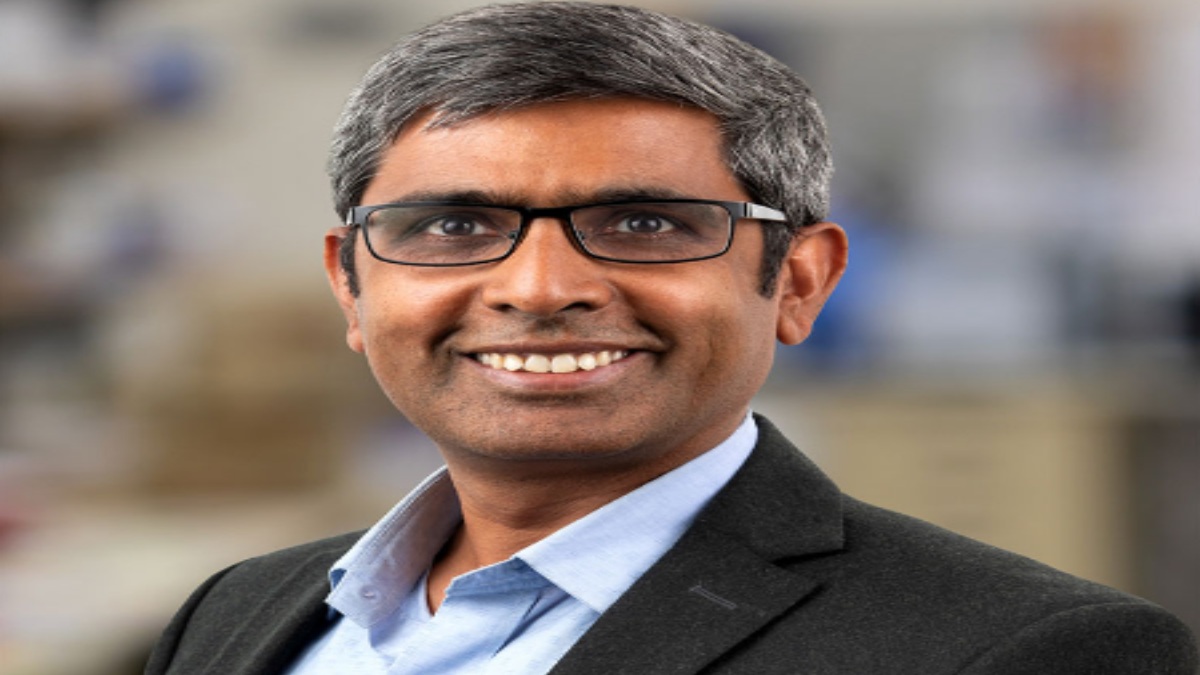
Such a departure is one of the biggest changes in science and Dr. Panda is regarded as one of the world’s foremost researchers in chronobiology. His work has shaped the scientific understanding of biological clocks that determine sleep, metabolism, nutrition and overall health.
According to reports, the resignation follows an internal investigation by the research institution into allegations of inappropriate conduct. The inquiry looked at sexual misconduct but the research institution has not publicly disclosed what the findings were beyond confirmation of the outcome of the investigation and the removal of the scientist.
The research institution said it is committed to a workplace based on professionalism, mutual respect and accountability. “In order to have fairness for all parties involved, we have investigations into serious workplace behavior,” said the researchers.
Dr. Panda has built an internationally known scientific career over the past 40 years. His work has studied the internal biological clock of the body (contrariwise named circadian rhythm) and its influence on health. His research has been very important in understanding metabolism, sleep patterns, daily life, obesity, diabetes, cardiovascular disease, and overall health.
He has written numerous peer-reviewed scientific papers and is well known among the general public for research on time-restricted eating as a possible strategy for improving metabolic health. His work has influenced both academic research and public discussions of nutrition and healthy lifestyles.
What has happened with his resignation has been discussed in academic and research circles. Scientists have stressed that a person's scientific work is only part of the picture, as is the research conducted by his/her colleagues in that field on workplace behavior. Research institutions should also provide safe work environments for those employees, students and researchers.
Research governance experts say research institutions and universities have increased workplace policies in recent years to encourage reporting of misconduct, protect complainants and investigate properly according to established procedures. Such policy shifts are part of the larger effort to improve the culture at the university and within scientific research and research organizations.
Employment law experts say the investigation of workplace misconduct generally involves confidential interviews, examination of the evidence and compliance with institutional rules. Public disclosure of detailed findings is usually constrained by legal, privacy and employment concerns.
The resignation also raises the bar for ethical conduct in the scientific community. Beyond research integrity, professional behaviour, mentoring relationships, workplace respect and codes of conduct are also of great importance to universities today. Violations of these standards can result in disciplinary action regardless of academic reputation or scientific achievements.
As some physicists have pointed out, scientific integrity in the field is always one of the key ingredients to maintaining public trust in science; but in order to do so, professional integrity in research and responsible conduct are also essential. Allegations are to be treated fairly and the rights of all parties affected during the investigation have to be defended.
Scientific organizations have more and more policies for transparency, independent investigations, and mechanisms for reporting inappropriate behaviour without fear of retaliation. Training programmes on workplace ethics, harassment prevention and responsible leadership have grown at universities and research organizations.
Dr. Panda's work on chronobiology is still widely cited in the scientific literature and his work has influenced metabolism, sleep science and preventive healthcare. In the same breath, however, his resignation is another indication of the growing expectations on leaders in academic institutions about professional behaviour and workplace standards.
The research institution has not announced immediate details on leadership succession or future management of Dr. Panda's research programmes. Ongoing scientific research projects are expected to continue under institutional supervision while administrative arrangements are finalized.
As the scientific community debates continue, the case reminds us that research excellence and workplace accountability are the very heart of today’s academic institutions. Universities and researchers worldwide must continue to work in environments that support scientific innovation while ensuring respectful professional conduct.