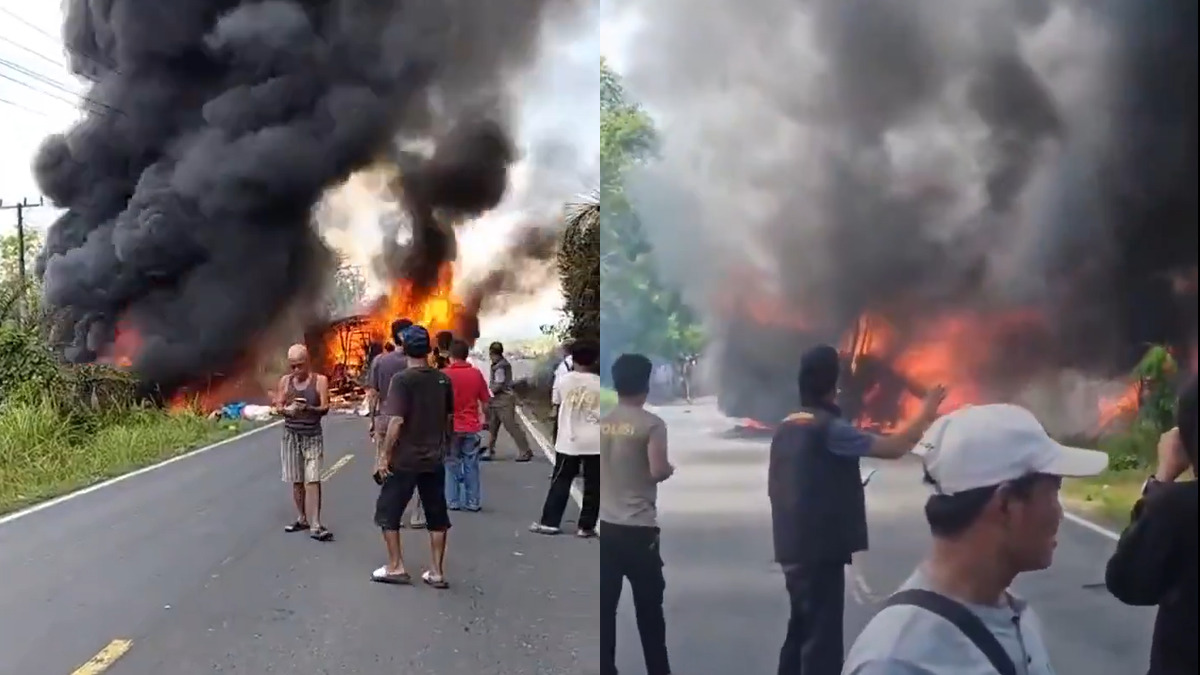
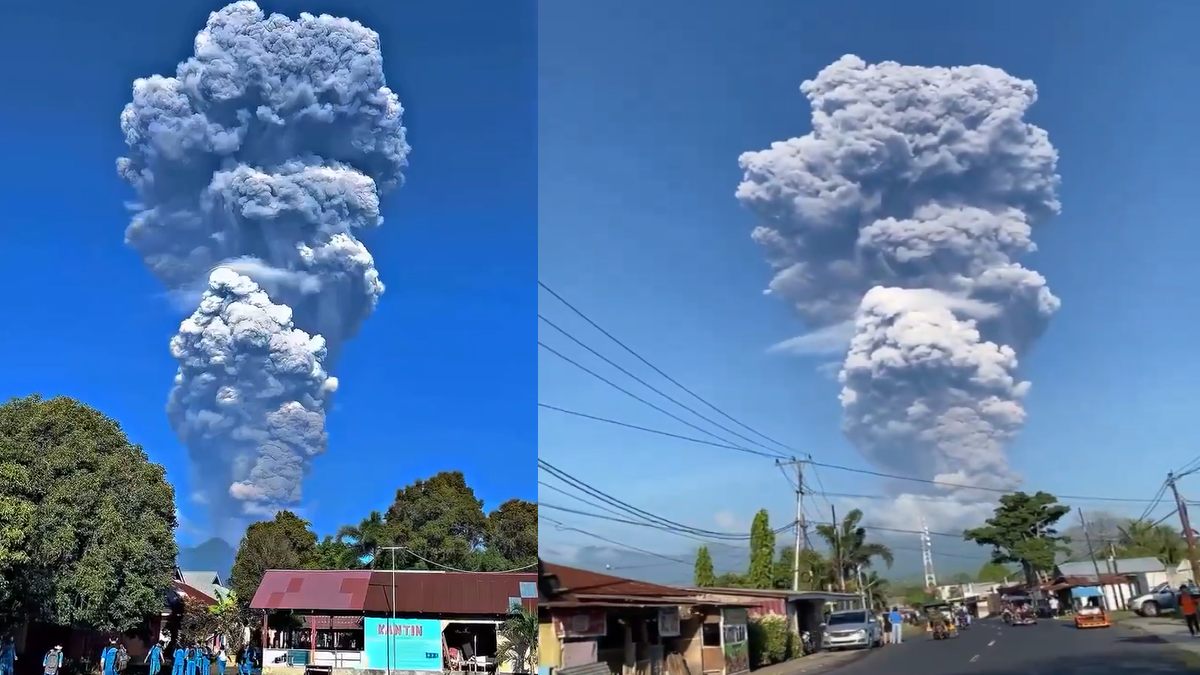
And this country was not spared the disaster that was once part of the region—the Siau Islands in Indonesia’s North Sulawesi province, laid waste to the island. Caused by unceasing, heavy downpours early on that occurred during the predawn hours of Monday, January 5, 2026, rivers suddenly overflowed, sending massive, rapid torrents of water, thick mud, rocks, and uprooted trees into villages.
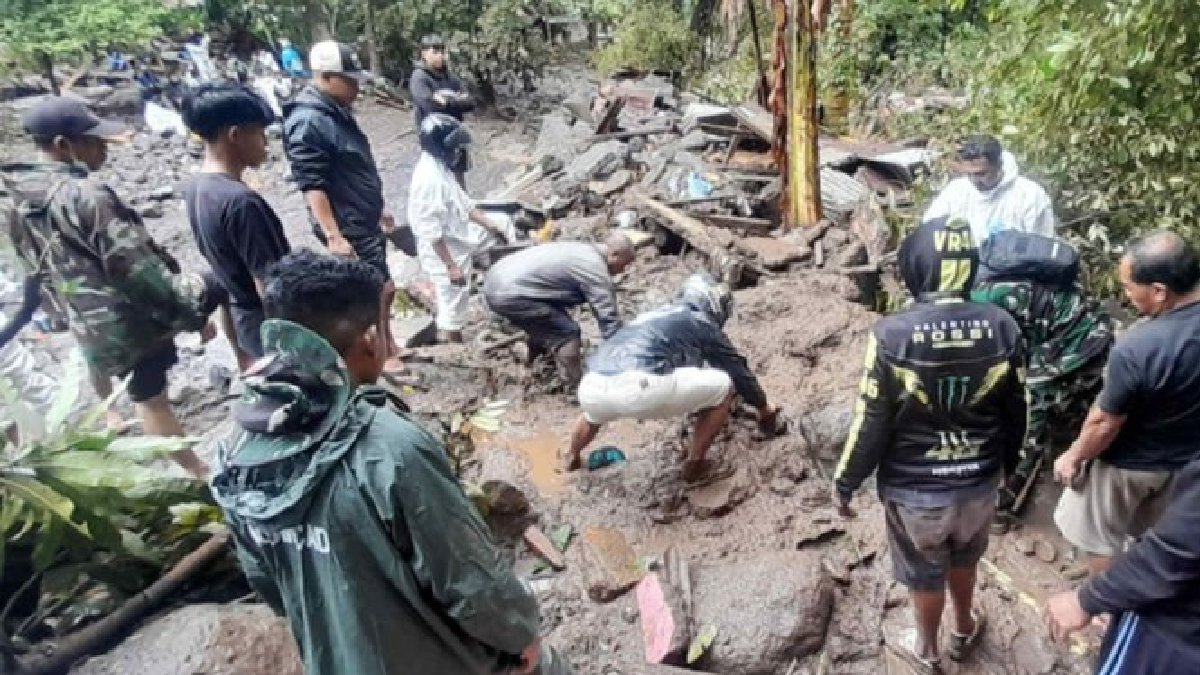
The National Disaster Management Agency (BNPB) said the disaster occurred at around 2:30 in the early morning hours, surprising most people in their sleep. The human toll of the disaster has been devastating, with the deaths accounting for 16 as of Tuesday afternoon, and three others missing. BASARNAS emergency services, with support from military and police forces, were dispatched to four of the most extreme affected districts, these being East Siau, South East Siau, West Siau, and South West Siau.
Besides the dead, at least 22 people were wounded, most of them being delivered to health centers in Manado for immediate medical care. The infrastructure damage on the tiny island of Siau has been extensive. At least 148 houses were impacted, seven completely washed away and dozens more extensively affected, BNPB spokesperson Abdul Muhari said. Floods loaded with debris also inundated villages, severed vital road connectivity among sub-districts, and interrupted electricity and telecommunications networks.
Almost 700 residents (about 682 people) have been displaced, seeking refuge in makeshift homes established in local churches, schools, and public buildings. In a post-tragedy response, local authorities declared a 14-day emergency response period from January 5 to January 18, 2026. The declaration is intended to speed distribution of aid, draw heavy vehicles in for debris removal, and coordinate rescue efforts. This followed a period of extreme weather over Indonesia, including a major deluge in Sumatra late last year. Indonesia’s weather agency (BMKG) will continue to alert you to peak monsoon conditions through January, cautioning you that you should continue to stay alert to the risks of future landslides and flooding.