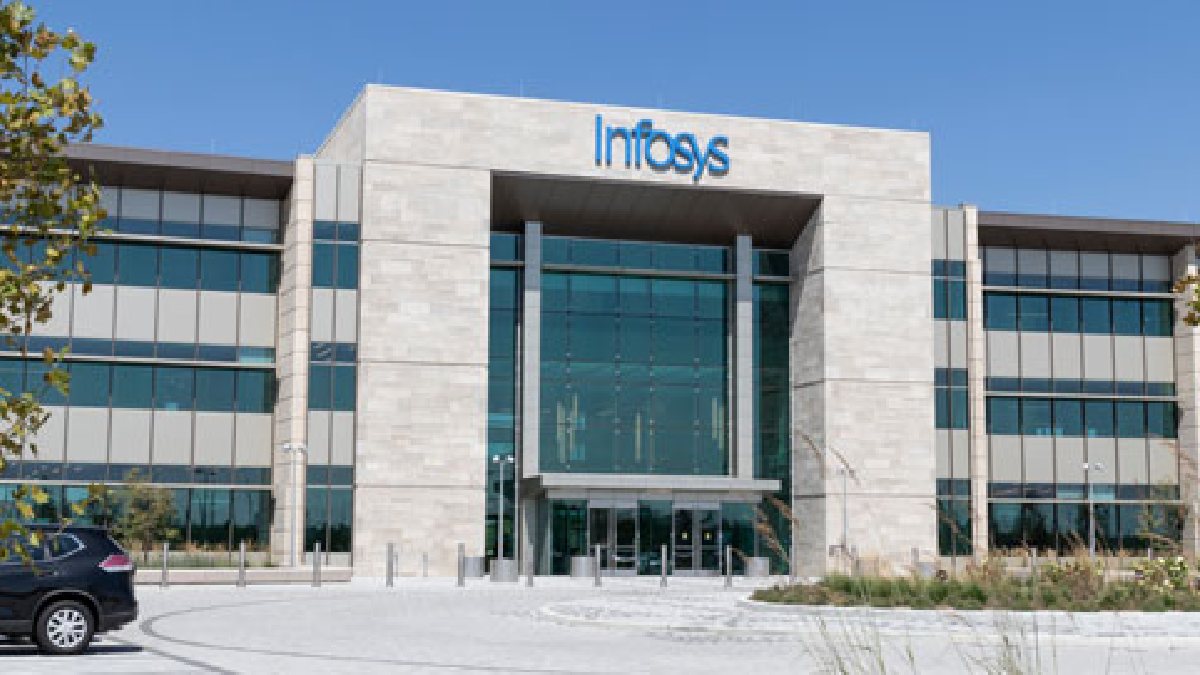
The Indian IT company Infosys was fined about ₹2 crore (€175,000) by French labour authorities after its employee working-time recording system was found to be non-compliant with local legal requirements. The development has attracted scrutiny of the strict labour regulations in European countries and multinational companies' struggle to comply with international regulations in different jurisdictions.

According to the company’s regulatory disclosures, the penalty was imposed by DRIEETS Île-de-France, the French regional authority responsible for labour, employment, and workplace compliance matters. Infosys informed stock exchanges that it received official communication regarding the collection of the monetary penalty on July 24, 2026.
The French authority also found Infosys’ system to be inaccurate and unreliable in recording employee working hours. Some employees were not able to check the system in the audit and monitoring area. French labour laws require employers to keep accurate and auditable records of employee working hours, overtime, and mandatory rest periods. The authorities concluded Infosys’ current system did not meet these requirements.
France has the strictest labour regulations in Europe in terms of employee welfare, working hours, and workplace transparency. The companies operating in the country are required to keep detailed records of their compliance with the standard workweek and overtime rules. Any time-tracking problems may be subject to regulatory and financial sanctions.
Infosys has sought to reassure investors that it will not harm the bottom line, will not affect the company’s financial position, business performance, or operations. The firm said it is now reviewing the French authority’s letter and will assess the appropriate course of action as well in its regulatory filing: “we are taking into account the French authority’s communication and are considering all of the feedback, and we will respond to the French company’s recommendations.”

In this context, employee attendance and work-hour monitoring have become very much in focus in the global technology field. Infosys has adopted a range of workplace policies in recent years to better balance productivity and employee well-being. The company also required office attendance for various groups of employees as part of its hybrid work model.
Industry experts say multinational companies face significant regulatory challenges when they operate in different countries because labour laws differ so much from one locality to another. Compliance systems that comply with one country’s law may need to be modified to match those of others. The French action against Infosys shows that compliance mechanisms within companies need to be flexible to their own laws and systems to meet the legal requirements of the company from a global perspective, they say.
While the financial outcome of the penalty is relatively small for Infosys at the scale of a company of the size of Infosys, this case underscores the increasing concern in the world for the rights of employees, workplace transparency, and compliance with the law of the workplace and regulatory requirements for companies in general and how the company will respond to these issues from French authorities and whether any operational changes to its time-recording systems will be put in place in the future.
As of now, Infosys said that the issue is related to compliance issues relating to the recording of employee working hours and does not affect its business. But the episode shows the increasing scrutiny that global corporations are experiencing in controlling personnel work practices in international business environments.