For animal lovers, travel is more than simply a trip to historic tourist spots or a cruise on beautiful beaches. It’s a chance to see wildlife in its natural habitat, explore unique ecosystems and be able to see some of the most stunning animals that exist. From African savannas filled with elephants and lions to tropical forests home to orangutans and exotic birds, wildlife destinations provide a dream trip to nature for those seeking a taste of all this and more for those who can’t go anywhere else.
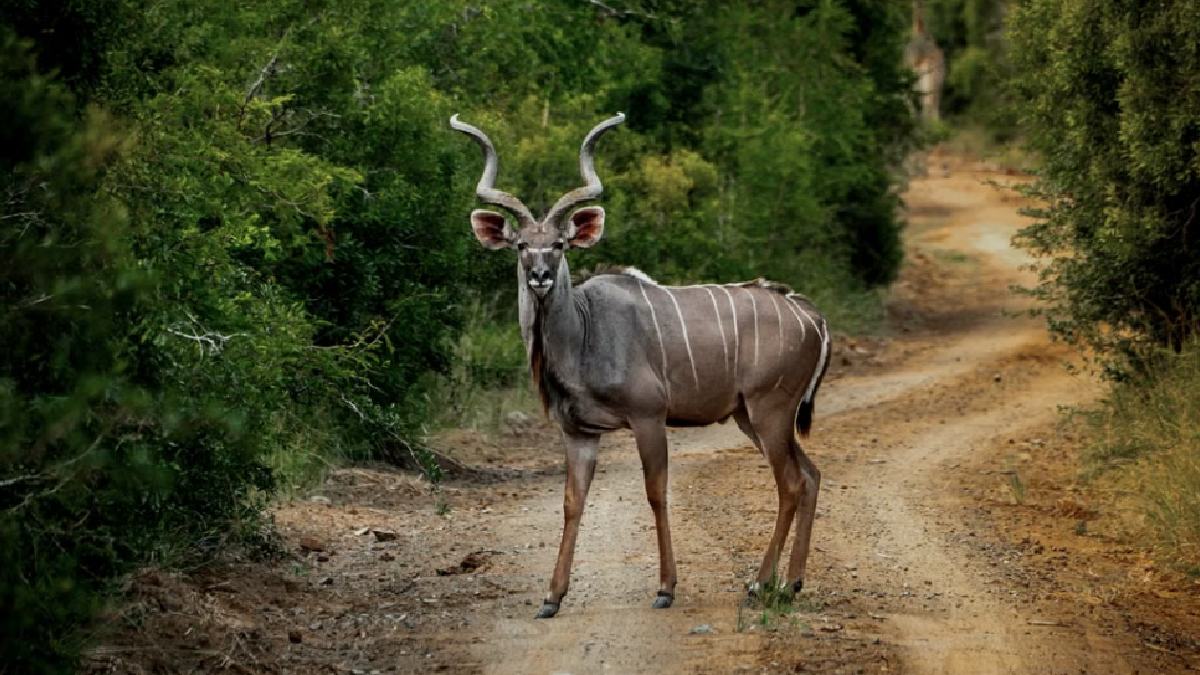
Wildlife tourism is quickly becoming a major part of adventure travel, with national parks, reserves and conservation areas drawing tourists from around the world. The best places for animals are those where the travelling experience is safe and conservation is the focus; all wildlife tourism is a good way to do it. When planning a wildlife-oriented vacation, these 10 locations should be on your bucket list.
1. Maasai Mara, Kenya
Kenya’s Maasai Mara is one of the world’s most iconic safari destinations. The vast grasslands are home to lions, leopards, cheetahs, elephants, giraffes and huge herds of wildebeest. The annual Great Migration is one of its biggest attractions.
A safari through the Maasai Mara can provide amazing wildlife photography opportunities to take selfies and shoot wildlife and game and give the traveler a taste of the nature of the area around the reserve and the community.
2. Serengeti National Park, Tanzania
Serengeti is another legendary wildlife destination in Tanzania. It has a lot of wildlife in it and is a huge part of the Great Migration ecosystem. Lions, elephants, zebras, giraffes, hippos and birds are also among the people you will encounter.
And the Serengeti’s wide-open plains make it particularly appealing to travellers who want to be on a classic African safari.
3. Ranthambore National Park, India
Ranthambore National Park is known for Bengal tigers. It is a setting of dry forests, grasslands and lakes with ancient ruins.
Besides tigers, visitors would also be able to observe leopards, sloth bears, crocodiles, deer and a multitude of birds. Safaris are conducted in controlled areas and so responsible tourism is essential for protecting the ecosystem.
4. Galápagos Islands, Ecuador
The Galápagos Islands offer a completely different wildlife experience. As one of the islands in the Pacific Ocean, the species have evolved quite well in isolation.
Travellers can also see giant tortoises, marine iguanas, sea lions, penguins and many other species. Snorkelling and boat tours also let the visitor see the extraordinary marine life around the islands.
5. Borneo, Malaysia
Borneo is a paradise for travelers interested in rainforest wildlife. Its forests provide habitat for orangutans, proboscis monkeys, pygmy elephants and thousands of birds and insects.
Wildlife experiences can include rainforest walks, river cruises and visits to conservation centres. The destination is particularly attractive to travellers who want to explore biodiversity and learn about efforts to protect endangered species.
6. Pantanal, Brazil
Pantanal is one of the world’s largest tropical wetland regions and is one of the best places for wildlife tourists. It is well known for jaguars in the vicinity of boat-based wildlife tours.
The wetlands also support giant otters, capybaras, caimans, monkeys and hundreds of bird species. Waterways and open landscapes can make wildlife observation easier than in dense tropical forests.
7. Costa Rica
Due to its rich biodiversity, Costa Rica is also a favourite of nature and wildlife travelers. Despite its relatively small size, the country has rainforests, cloud forests, beaches, wetlands and volcanic landscapes.
Visitors can see sloths, monkeys, toucans, frogs and other tropical species in protected areas. Costa Rica’s national parks as well as conservation programs make it a wonderful place to visit for nature-oriented tourism.
8. Churchill, Canada
Churchill in Manitoba is a great place to visit if you are interested in polar wildlife. It is home to polar bears that live around the Hudson Bay coast at least some of the year.
Visitors can book specialised wildlife tours to see these powerful animals from a safe distance. The area is also known for beluga whales during the warmer months, providing another reason for wildlife enthusiasts to visit.
9. Madagascar
Madagascar is one of the most unique wildlife destinations on Earth. Because of the long geographical isolation, the island is home to many species that are found nowhere else.
Lemurs are one of its main attractions, but travellers can find chameleons, unusual birds, frogs and distinctive plant life too. Madagascar is a far cry away from the world and has an ecosystem that is very different from all the world’s.
10. Kruger National Park, South Africa
Kruger National Park is one of Africa’s best-known wildlife locations. The vast protected area houses elephants, lions, leopards, rhinos, buffaloes, giraffes and wild dogs.
Most travellers will like the variety of safaris available, from guided game drives to private wildlife experiences. So the park can be very appealing to both first-time safari-goers and experienced wildlife lovers.
How to Travel Responsibly with Wildlife
Seeing wild animals in their natural environment is an unforgettable experience, but responsible tourism should always be a priority. Travelers should maintain a safe distance from animals, avoid feeding or touching wildlife and follow instructions from trained guides and park authorities.
Choosing reputable tour operators and conservation-focused experiences can also help ensure that tourism contributes to protecting wildlife rather than disturbing it. Visitors should also respect local communities and avoid places that exploit animals for entertainment.
From the African savannas and Indian forests to the rainforests of Borneo and the remote islands of the Galápagos, these places demonstrate the diversity of wildlife on Earth. For animal lovers, exploring these places is not just about taking photographs—it is about experiencing nature, understanding conservation and creating memories while respecting the animals that make each destination special.