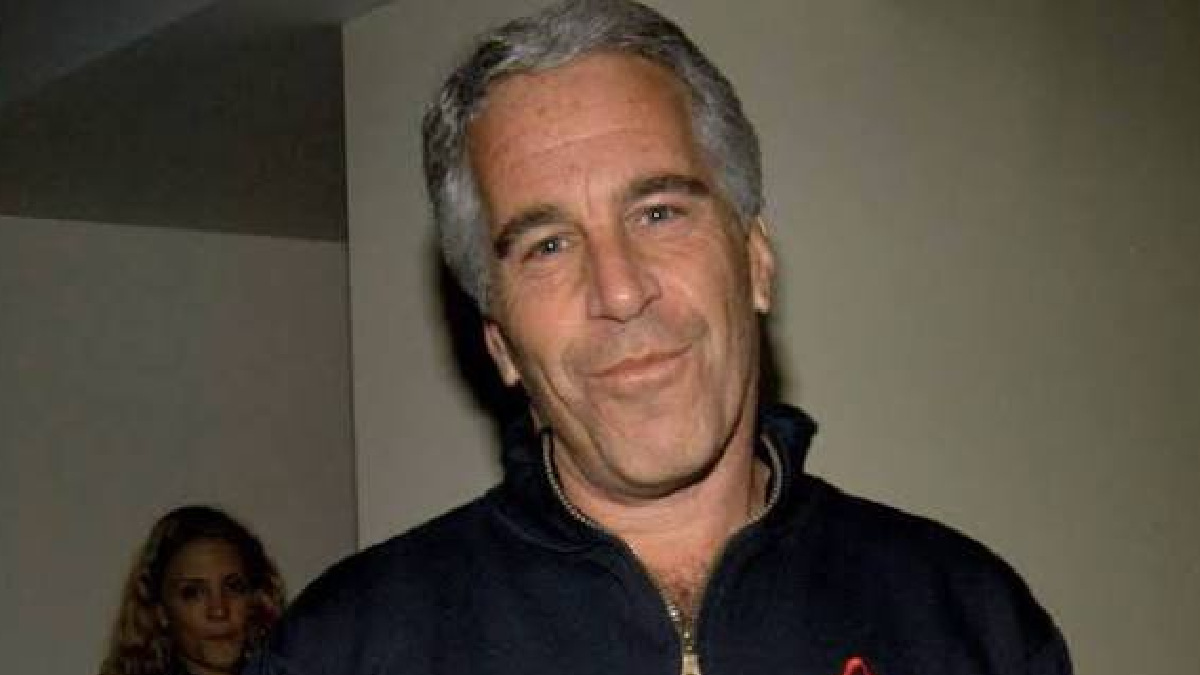
The release of millions of pages of documents alleging disgraced financier Jeffrey Epstein has been a flash point for controversy since early 2026. Although many fans saw an “all-business” disclosure, it turns out to be nothing but a murky bureaucratic and hotly disputed redaction process.
Here’s an overview of who’s doing the controlling work, and how the information is being filtered. Who gets to decide what will be left out of the "Epstein Files"? The Executive Branch (Justice Department) and the Judiciary (Federal Courts) have separate decision-making responsibilities, depending on which documents came to the United States through where they came from.
The Department of Justice (DOJ)
Under the Epstein Files Transparency Act of late 2025, the US Department of Justice is responsible for these massive 2026 document drops. The Lead Officials: Attorney General Pam Bondi and Deputy Attorney General Todd Blanche occupy senior positions governing the scheme. By writing to Congress on personal terms about how to handle the redaction process, Blanche also points out why "all-hands-on-deck" is needed.
Review Team: The DOJ has deployed a team of more than 500 lawyers and reviewers. This may run through trial attorneys from the National Security Division, FBI prosecutors or personnel at Specialized Research Group under the Office of Privacy and Civil Liberties (OPCL).
The Process: A first-level team flags sensitive info, while in the "Specialized Team" second level of forty lawyers checks to ensure that no "over-redaction" or "under-redaction" occurs. 2. Judge Loretta Preska (The Southern District of New York) While the DOJ handles government investigative files, U.S. District Judge Loretta Preska has spent years overseeing the unsealing of civil court records--namely from the 2015 defamation lawsuit between Virginia Giuffre and Ghislaine Maxwell.
The Role: Preska has the final arbiter for these particular civil records. She reviews arguments from persons called “John Does” in the files who would like to remain nameless. If she decides their privacy rights are worth more than the public’s right to know, the names stay blacked out.
Rules of the Game: Why Information Blocked?
The Epstein Files Transparency Act (and usual privacy laws) require that only certain circumstances require information to be redacted.” Under the law the DOJ can’t cut off information based on “political sensitivity” or “embarrassment.”
| Redaction Category | What it Protects |
| Victim Privacy | The names, addresses, and images of victims (especially those who were minors). |
| Ongoing Investigations | Details that could jeopardize active cases against potential co-conspirators. |
| Classified Info | National defense secrets or foreign government communications. |
| Legal Privilege | Information covered by attorney-client or "work-product" privilege. |
| CSAM | Graphic images or videos depicting child sexual abuse. |
Ineffective Redactions: Legislators such as Rep. Ro Khanna have highlighted how a name might be redacted on page 5 yet still appear on page 20 of the same thread. Images erased: Before the release in late 2025, a minimum of 16 files featuring high-profile figures were taken for a brief stint from the DOJ's "Epstein Library" for "further review," prompting allegations of scrubbing.
What Happens Next?
Within 15 days of each major release, the DOJ must deliver a formal report to Congress. This report should justify every category of redaction used. Right now many victims' attorneys are applying to judges to stop the public website until the "shoddy" redaction process is corrected in order to keep survivor identities protected.