The Department of Justice (DOJ) is confronting a torrent of criticism after thousands of files from Jeffrey Epstein’s most recent file release were temporarily removed and “re-redacted.” The departure has prompted allegations of a large-scale cover-up, as the missing data reportedly contained sensitive references to President Donald Trump and other high-profile figures.
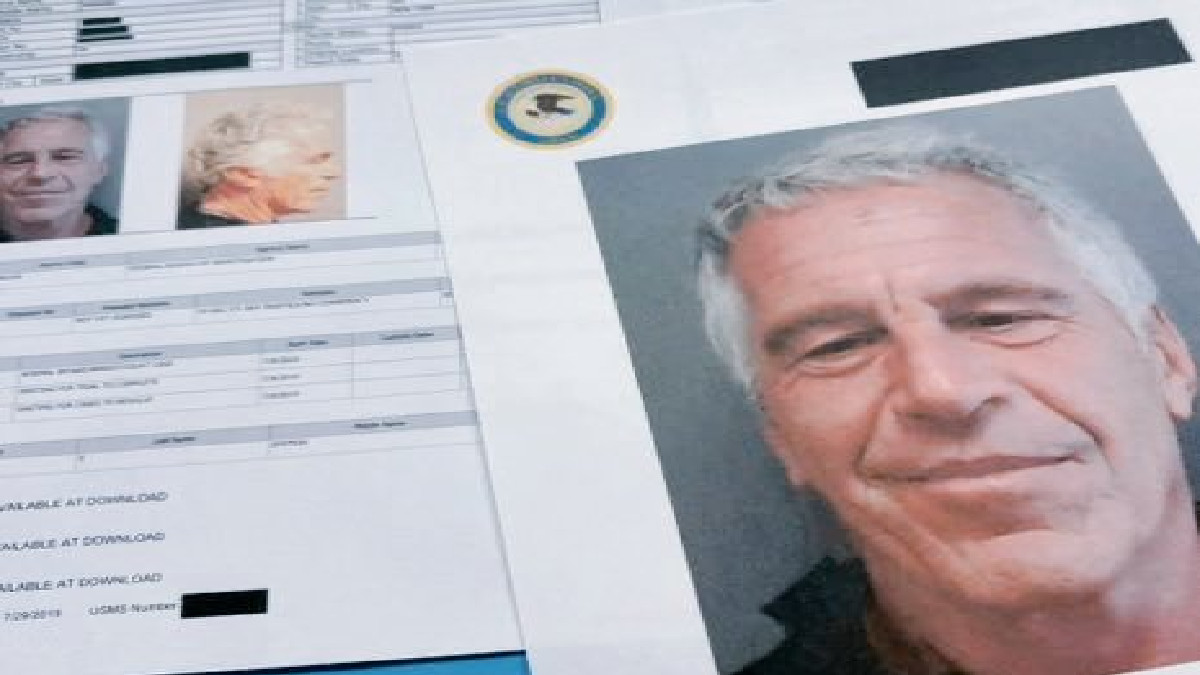
The Vanishing Papers Technical Error or Erasure?
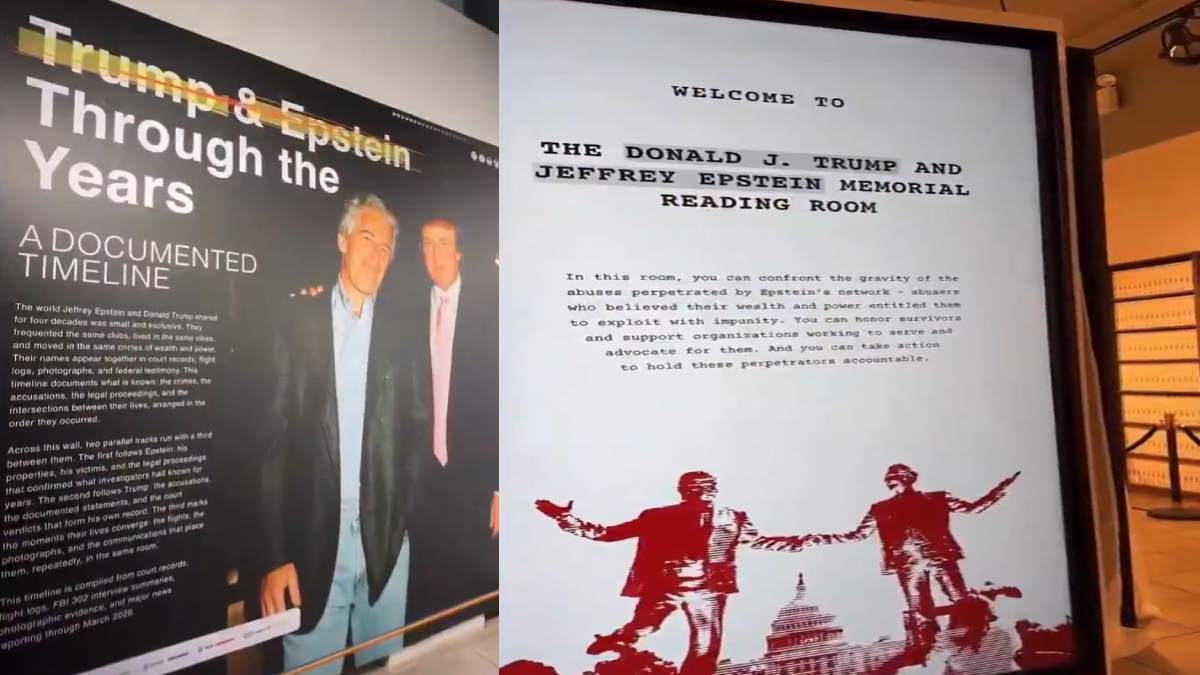
On Friday, January 30, the DOJ issued a huge tranche of 3.5 million pages under the Epstein Files Transparency Act. But researchers and digital watchdogs within 24 hours pointed out a huge amount of files a spreadsheet of FBI tips and a photograph of the President had been scrubbed from the public portal.
DOJ Defence: Deputy Attorney General Todd Blanche said the files were pulled in order to safeguard the identity of victims who had been exposed accidentally because of “technical and human error.”
The Counter-Argument: Critics point out that the removed documents specifically contained unverified tips and logs mentioning the President’s past social interactions with Epstein. While the DOJ restored some files within 48 hours, they returned with heavier redactions than the originals.
Millions of Pages Still "Missing"
The dispute is further fueled by the quantity of material that was withheld. Although the DOJ listed 6 million pages as potentially responsive to the law, just 3.5 million have been released. Democratic Representative Ro Khanna, one of the co-authors of the Transparency Act, expressed skepticism:
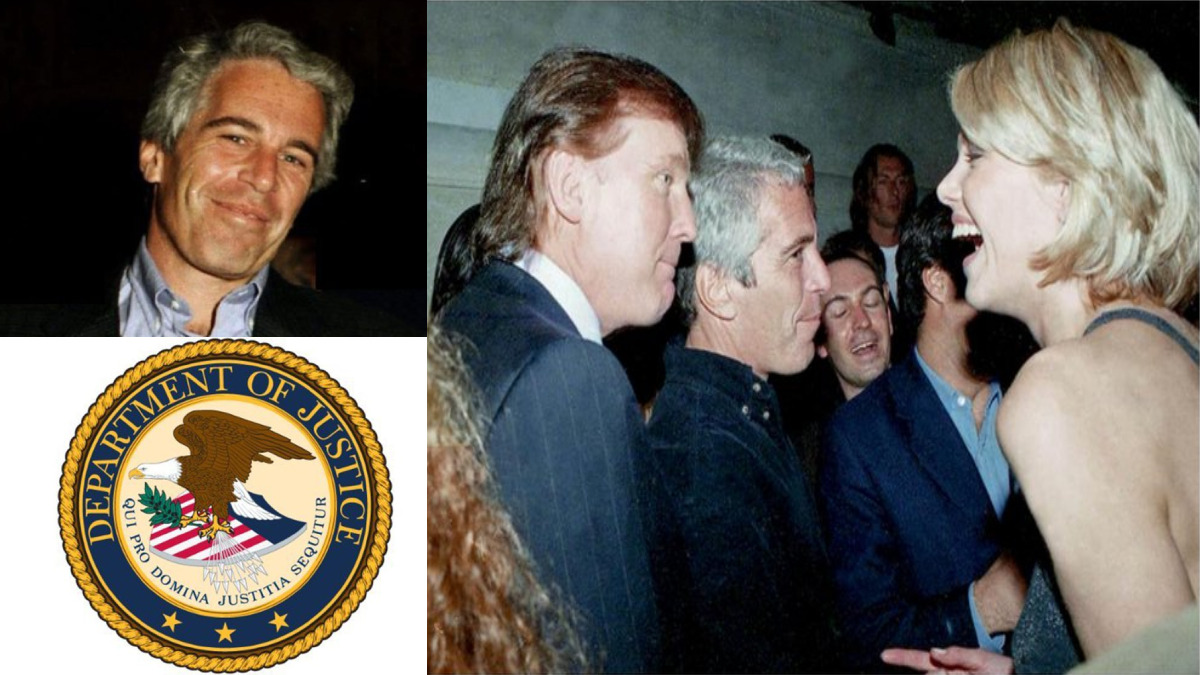
"DOJ claims full compliance but won't hold 50% of the record. We are reviewing this closely to see if the FBI’s '302' victim statements and draft indictments the real meat of this investigation are being buried.”
Heightened Political Stakes
The timing of these “corrections” has incited bipartisan outrage. Though the Trump administration says the files “absolve” the president and include “sensationalist, unfounded claims” made by political opponents, survivors and their lawyers insist that the redaction process is being used as a shield for powerful actors and not a safety net for victims.
Sections of the DOJ Epstein website are still not in working order as of February 6, 2026, so the public is left to rely on third-party archives and screenshots drawn before the files were taken down.