International Literacy Day is observed every year on September 8 to emphasize the importance of literacy for education, personal development and social progress. The day can also bring attention to the challenges faced by people who still lack basic reading and writing skills and to call for governments, educational institutions, communities and individuals to help us to be aware of these obstacles and help provide opportunities for education for everyone.
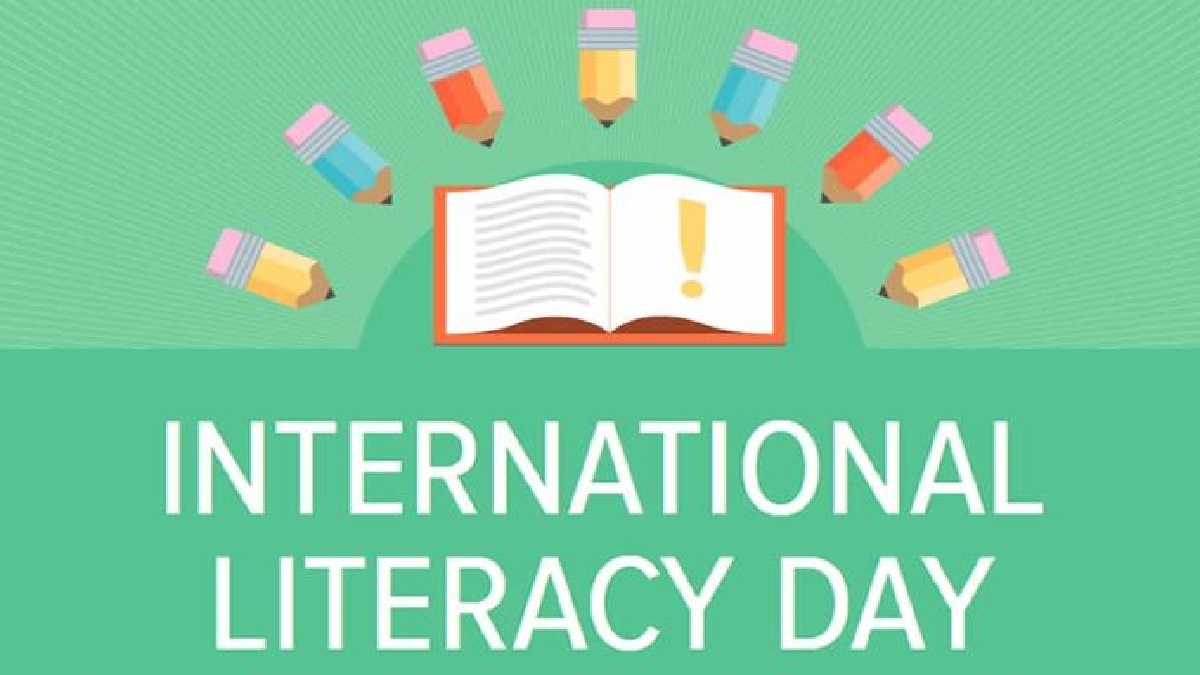
Literacy is much more than reading and writing. Literacy enables people to understand information, communicate effectively, make informed decisions and participate more confidently in society. From reading a medicine label and completing a job application to understanding financial information and accessing government services, literacy has a huge impact on so many aspects of life. It can also open doors to jobs, higher education and better economic independence.
International Literacy Day is particularly important because the world is not well-served in education, and so children in some disadvantaged communities are disadvantaged because of poverty, bad schools, limited teaching resources, conflict, displacement and a lack of trained teachers. Adults might also have missed opportunities for formal education and struggle with basic literacy later on in life. In order to solve these problems, governments, communities, educational organisations and civil society all need to invest in them long term.
In today’s increasingly digital world, the meaning of literacy is evolving, too. Traditional reading and writing skills are still necessary, but people need to better understand how to work with digital platforms, evaluate online information, and use technology in a responsible manner.
Digital literacy is essential for education, jobs, financial services, healthcare information and public resources available in today's world. Technology is becoming a central part of the whole range of modern education and as technology is becoming more and more embedded in our daily lives, it is a part of the way we are learning to do so, the ability to grow in life that is needed.
International Literacy Day also reminds us of the importance of lifelong learning. Education does not have to be over after school or college. Adults can continue to develop reading, writing, language, financial, professional and digital skills throughout life. Community learning centres, libraries, vocational programmes and online educational resources can be very beneficial to people who want to develop skills or learn something new.
Literacy is a strong link to equality and empowerment. Those who can access and understand information are generally better placed to participate in decisions that impact their families and communities. Literacy can help people know what their rights are, get jobs, manage household finances, and engage in public institutions. For women and girls in particular, access to high quality education can lead to greater independence and a wider variety of opportunities.
Schools and teachers are at the core of building strong literacy frameworks in children. Encouraging children to read regularly, and providing age-appropriate books and supportive classroom environments is key to getting kids to read regularly and develop confidence and curiosity. Families are also more involved if they can make reading an integral part of their daily life, be it storybooks, newspapers, educational material or discussions about what children have read.
Technology can also complement traditional learning when applied wisely. Digital libraries, educational apps, online courses and accessible learning platforms can reach people who don’t have access to education resources otherwise. But technology should complement, rather than replace, good education systems, experienced teachers and inclusive learning environments.
International Literacy Day is so much more than a day to read and write. It is to recognize that education can change our lives and communities. Good literacy is going to be achieved only if schools are open, teachers are trained, educational materials are provided and opportunities are available for all ages.
As September 8 is observed around the world, people are encouraged to look past what literacy stats tell us about what is possible, and rather look for the real opportunities education can produce. A literate population is the foundation of a better economy, healthier communities, civic engagement, and a more inclusive society. Ensuring that everyone has the opportunity to learn is one of the most important steps toward a more equal world.
And International Literacy Day really does support one important but powerful lesson: Education will change lives, and literacy should not be restricted to where one is born or how much money a family earns. Community-based reading, learning and education for all people, not just young people with a desire to go to school and learn, can be made possible in the future for all communities.