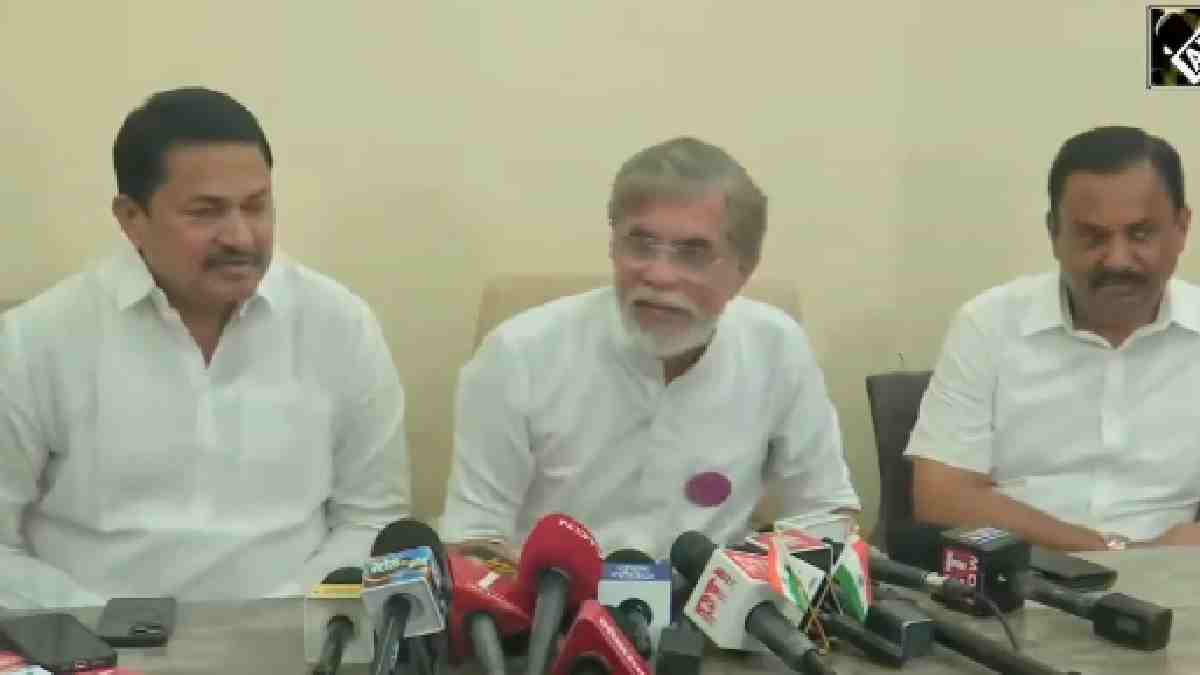
A fresh political row erupted in Madhya Pradesh yesterday after Pichhore BJP MLA Preetam Singh Lodhi alleged that his political foes were trying to trap him using a honeytrap strategy. Lodhi said women were sent to his quarters at a government circuit house with the intention of luring him into inappropriate conversations or encounters and then bringing in material that could be used against him.
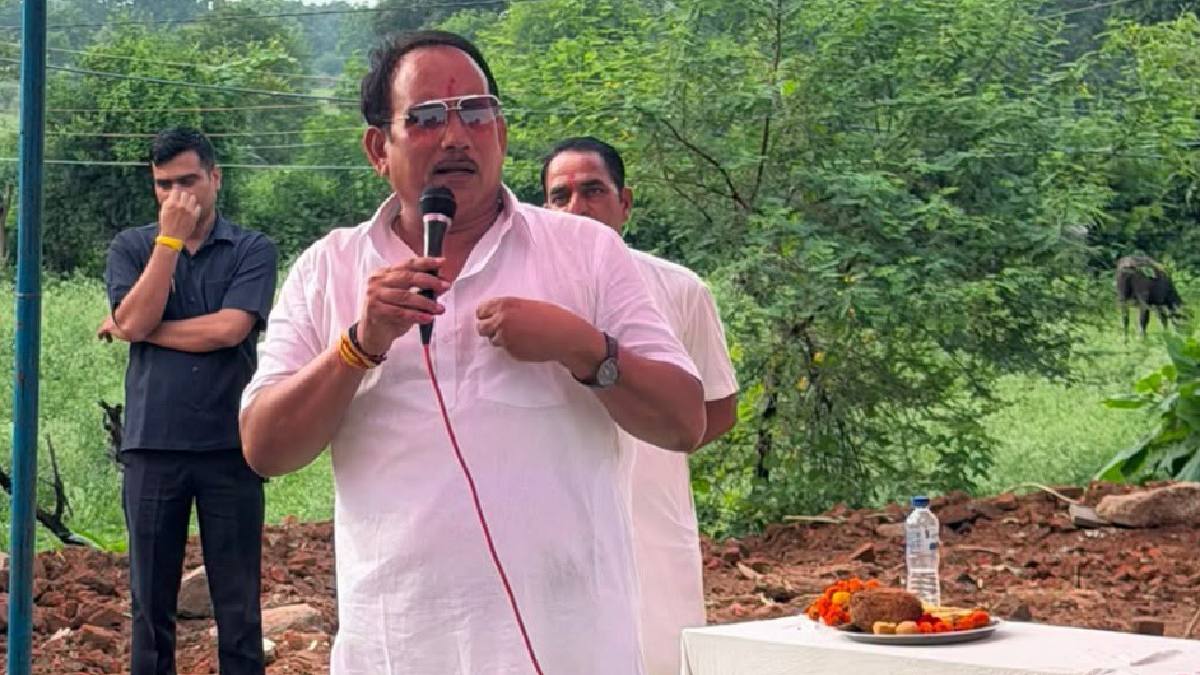
The comments made in a public gathering in Khaniyadhana, Shivpuri district, have been widely circulated on social media after a video of the speech was featured. Lodhi said it was a conspiracy to destroy his political career and even a false trial for rape. However, his comments are just a rumor and no documentary proof of such a conspiracy has been presented so far.
Lodhi said his political opponents were trying to put him in a position where he could be secretly recorded. Women were being sent to the circuit house quarters to start conversations or exchanges and people associated with the alleged operation would sit nearby with mobile phones, he said. The MLA said that recordings may then be manipulated or presented in a misleading manner to make a case against him.
Lodhi further claimed that the ultimate aim was to get him involved in a serious criminal trial under the provision known as Section 376 of the Indian Penal Code. Section 376 was a punishment for rape under the IPC and as the new criminal laws in India have come into force, the crimes that were already covered under the IPC are now covered under the Bharatiya Nyaya Sanhita. As such, Lodhi’s reference to Section 376 is a reference to the terminology commonly used by the former IPC provision.
Lodhi's account was notable for having claimed that an alleged participant in the supposed operation had warned him about the plan. In fact, the MLA said the woman had told him that there was a conspiracy to create a controversy around him. This too would need to be independently verified and no evidence has been provided to support the alleged conspiracy.
The issue has also raised questions about the legislator’s language in public. That is because people will understand if they hear that a politician sent women to “seduce” or “trap” someone who is a member of the community, or that politician is in a public place where people might see that person.
Supporters of Lodhi might say his comments were meant to describe what he thinks is a politically motivated attempt to target him. In highly competitive local politics, fabricated cases and political conspiracies are not uncommon; however, credible evidence and, where appropriate, investigation by competent authorities are required.
The incident has also revived attention around Lodhi’s controversial public statements. The BJP legislator has been criticized for remarks about political opposition, police officials and administrative matters. On some occasions, his comments have resulted in clarifications or apologies and he is now at the center of political discussions in Madhya Pradesh.
The current controversy concerns two things: the substance of Lodhi's allegations and the manner in which those allegations were made. If the MLA believes that an organised attempt was truly made to frame him, a formal complaint with whatever evidence is available might help authorities to objectively look into the incident.
At the same time, political opponents and civil society groups would be concerned about the effect of statements on public discourse and the perception of women. Allegations of sexual crime are serious, and genuine or not, must not be used as a weapon of political rhetoric without evidence.
The viral video has put Lodhi and the Madhya Pradesh BJP under renewed scrutiny. It remains to be seen whether the allegations will eventually be investigated. As long as there isn’t concrete evidence, we should regard the claims about an organised honeytrap operation as allegations and not facts.
The episode again underscores how in this age of viral videos responsible political communication is going to be very important. Statements made at public events can quickly reach millions of people without their original contexts. For elected officials, the task is not only to raise concerns about alleged political targeting but also to ensure that those concerns are expressed in a language that is respectful of the seriousness of criminal charges and the dignity of everyone involved.