Iran is expected to receive about 400 Chinese-made air defence missiles within a couple of weeks as it tries to rebuild its military capabilities after the recent clash with the U.S., media reports say.
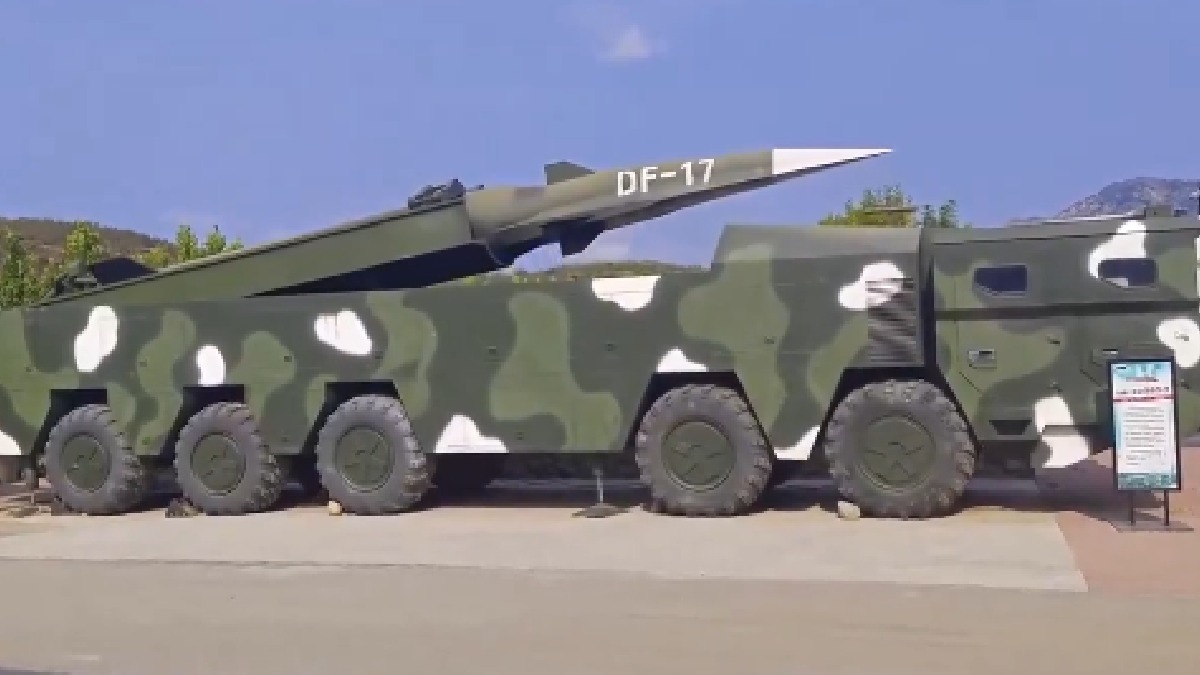
Beijing and Tehran have not confirmed the missile transfer but it has raised new concerns about changing military alliances and security in the Middle East.
The missile package would strengthen Iran's air defence network, already damaged in recent military exchanges, the report said. Analysts think the missile delivery would improve Iran’s ability to detect and intercept hostile aircraft and missiles, potentially strengthening the country’s defensive posture against future aerial attacks, the document says.
The exact missile system is not clear yet, but defence experts say the shipment could include advanced Chinese surface-to-air missile (SAM) systems that can hit multiple targets at different ranges.
China has become one of Iran’s key strategic partners as it has grown closer to Iran in trade, infrastructure and defense in recent years in spite of Western sanctions.
The missile deal comes at a time of increased tension in the region as Iran’s military infrastructure is increasingly being targeted by the United States and its allies. The conflict exposed weaknesses in Iran’s air defence capabilities and Tehran is pressing to upgrade and replace damaged equipment.
China has maintained that its defence cooperation with other states is in line with international law and is aimed at regional stability. But if the transfer is true, Western governments are likely to express concern about increasing Chinese military influence in the Middle East.
Military analysts say strengthening Iran's air defence system would complicate future military planning for adversaries.
🚨 Breaking News: Reports indicate that Iran imported intercontinental ballistic missiles from China during the truce... 🔥
— Iran Mil Updates (@tvir_X) July 28, 2026
America must exercise caution and rethink its position. 🚀🇨🇳🇮🇷🇺🇸 pic.twitter.com/SN1bZXJg0k
Advanced missile defence networks reduce the effectiveness of air strikes and can serve as a strategic deterrent by increasing operational risks for attacking forces.
The development also underlines a rising strategic partnership between China and Iran. A long-term cooperation agreement between China and Iran for energy, trade, technology and security has been reached, reflecting Beijing’s growing geopolitical presence in West Asia.
Defence cooperation has grown steadily to be a central component of that relationship.
Regional observers think neighbouring countries, including Israel and Gulf nations, will closely monitor the reported missile deliveries.
Any improvement in Iran's military capabilities could impact regional defence strategies and may also drive more investments in advanced air defence technology.
But official confirmation is not currently available from both governments. Defence experts say intelligence-based reports should be treated very carefully until official statements or independent evidence are confirmed.
If so, the reported delivery of 400 Chinese air defence missiles would be one of the most significant defence cooperation moves between Beijing and Tehran in recent years.
It would also show the dynamic geopolitical environment in which global powers maintain their strategic partnerships with each other as tension in the region increases.