Once again, tensions between Iran and the United States have flared after Iran’s senior security official, Ali Larijani, said Tehran will not negotiate with Washington. His comment is a direct repudiation of recent assertions by American politicians that Iran’s new leadership might be open to discussion. The United States had spread false hopes and destabilized the Middle East, Larijani said. The announcement comes at a time when regional hostilities are ramping up, and the message is hardline.
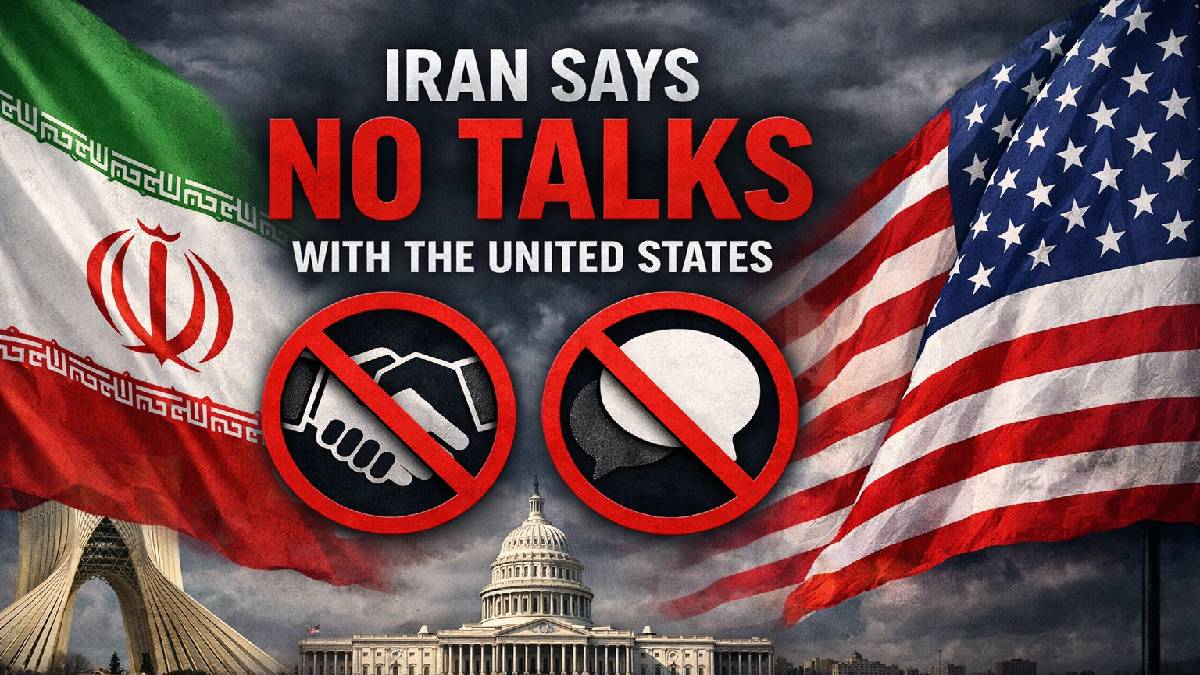
Ali Larijani, the head of Iran’s Supreme National Security Council, said to reporters that Iran has no interest in getting talks started with the United States. However, he dismissed those reports as “fabricated.” Larijani believes it is not credible indeed for the U.S. to join forces in a regional engagement that it is, after all, the sole provider of military operations and sanctions to the region. His comments followed remarks from U.S. President Donald Trump when he suggested in a speech he delivered that Iran’s leadership would show signs of talking, sparking speculation of possible backchannel diplomacy.
Iran’s reluctance to negotiate comes in the context of intensifying tensions in the Middle East. Recent Iranian strikes on U.S. and allied positions have led to fierce condemnation from Western powers such as Britain, France, and Germany. Meanwhile, Israel and Gulf allies have worried about Iran’s growing missile and drone capabilities. For decades, Iran has boycotted direct discussions with Washington unless sanctions are lifted and U.S. troops are gradually withdrawn from the region. Larijani’s remarks affirm this decadeslong position that there is some persistence even after the change of leader in Tehran.
The rejection of negotiations is significant for it seals the doors down on diplomatic prospects some felt might have eased tensions. Despite ongoing discussions, the risk of escalation is still high. The United States and its allies have already committed to concerted defensive action against Iran’s strikes, though Iran believes its moves are retaliation. Larijani’s remarks underscore the profound mistrust between the two sides, and indicate that military and economic confrontation will reign.
Iran’s statement that it is not going to negotiate with the United States serves as a reminder of the fragility of Middle East politics. By repudiating dialogue, Tehran has stated it will resist Western pressure. Whether this results in more conflict or new diplomatic strategies must be found is to be seen, but Ali Larijani’s statement has already increased the stress in what’s already a volatile region.