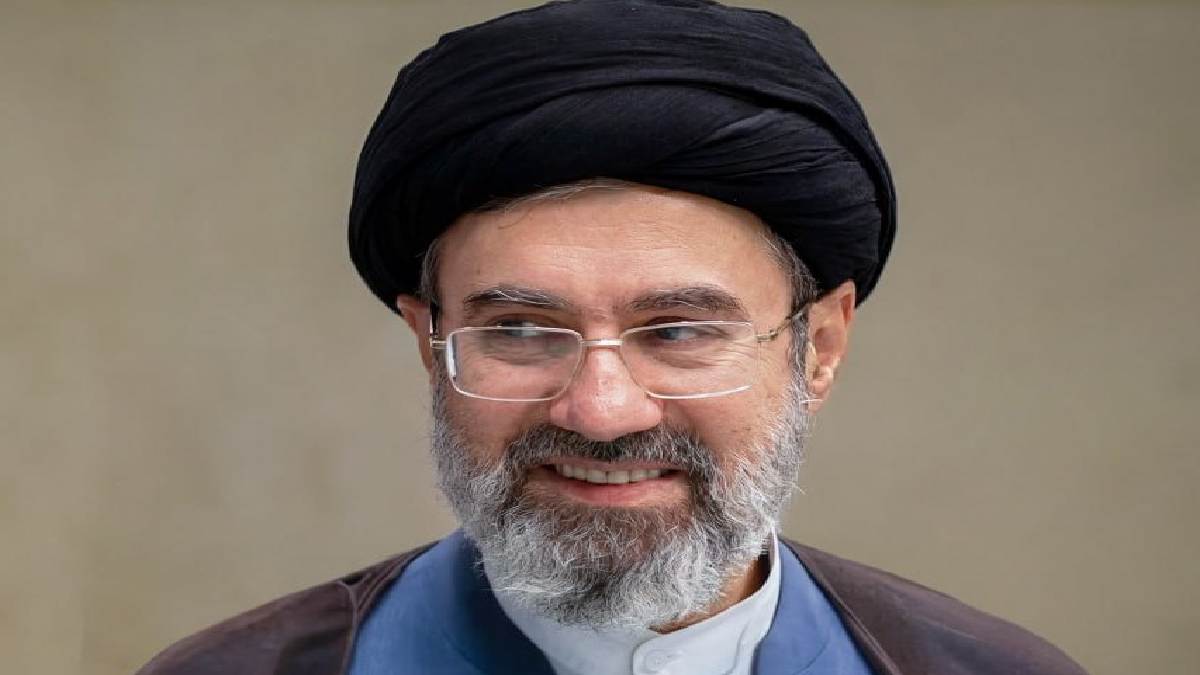
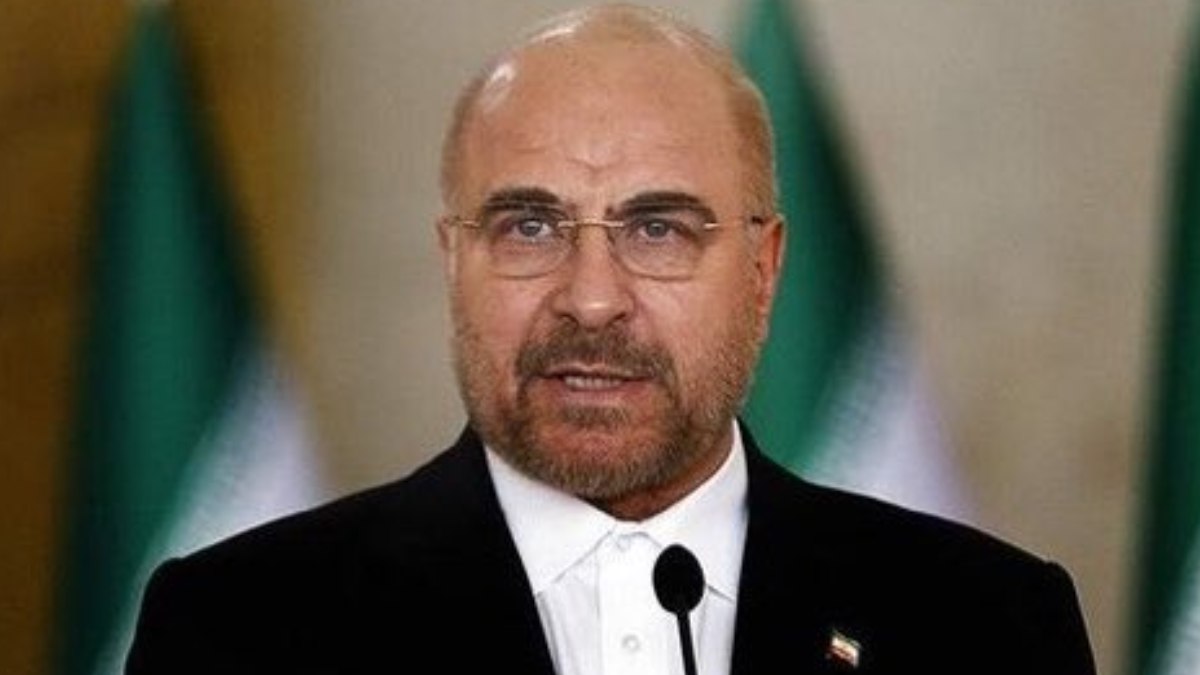
In a brutal demonstration of how tenuous diplomacy is, Mohammad Bagher Ghalibaf said that Iran doesn’t trust the United States and that war could reignite at any moment, even amid the ongoing talks for a ceasefire. Ghalibaf has spoken amid an increasingly fraught period concerning Iran's desire to declare war and its readiness to engage in any provocation. Such an attitude underscores the deep-seated distrust that has dominated relations between Iran and the United States, despite open diplomatic channels.
Trust Deficit at the Core
Ghalibaf’s remarks came after high-level talks over the past few weeks didn’t yield any real breakthroughs. He remarked that past wars, and Tehran’s sense that Washington had broken its word over and over again, destroyed all chance of trust. Officials in Iran have reaffirmed not just that they’re open to discussions, but that they cannot just rely on diplomacy.
The Iranian leadership has been concerned with the balance between diplomacy and readiness. This is indicative of a larger “power-based diplomacy” in which negotiating rests on some key pillars of power that are framed around the pillars of strength as a foundation for negotiating; it is supplemented by the forces’ fight and defence against attacks: forces’ efforts to keep them in place as they attempt to defend against assaults.
Ceasefire Under Strain
It is still deeply unstable, with a temporary ceasefire being in place. Improperly handled by the US in this area can lead to speedy escalation of hostilities, Ghalibaf says. Iranian forces are said to be on heightened alert and are preparing to indicate to the outside world that things, really, could escalate very quickly.
A key international oil corridor, the Strait of Hormuz, with ongoing disputes around it. Iran has said that continued naval blockade pressure could stymie access to maritime passages, exacerbating the crisis.
Conflicting Narratives and Escalating Risks
So, the United States claimed negotiations had taken place, but Iranian officials have defiantly denied the United States’ claims and accused Washington of spreading falsehoods. Ghalibaf also took the recent accusations levelled by US leaders to be false news and representative of a long “media warfare.”
At the same time, sporadic incidents in the region, including attacks near vital shipping lanes, regrouping military posturing have heightened expectations of wider conflict. Reporting indicates that minor violations will only grow into much larger conflicts in the next few years due to chaos in their current setting.
Global Implications
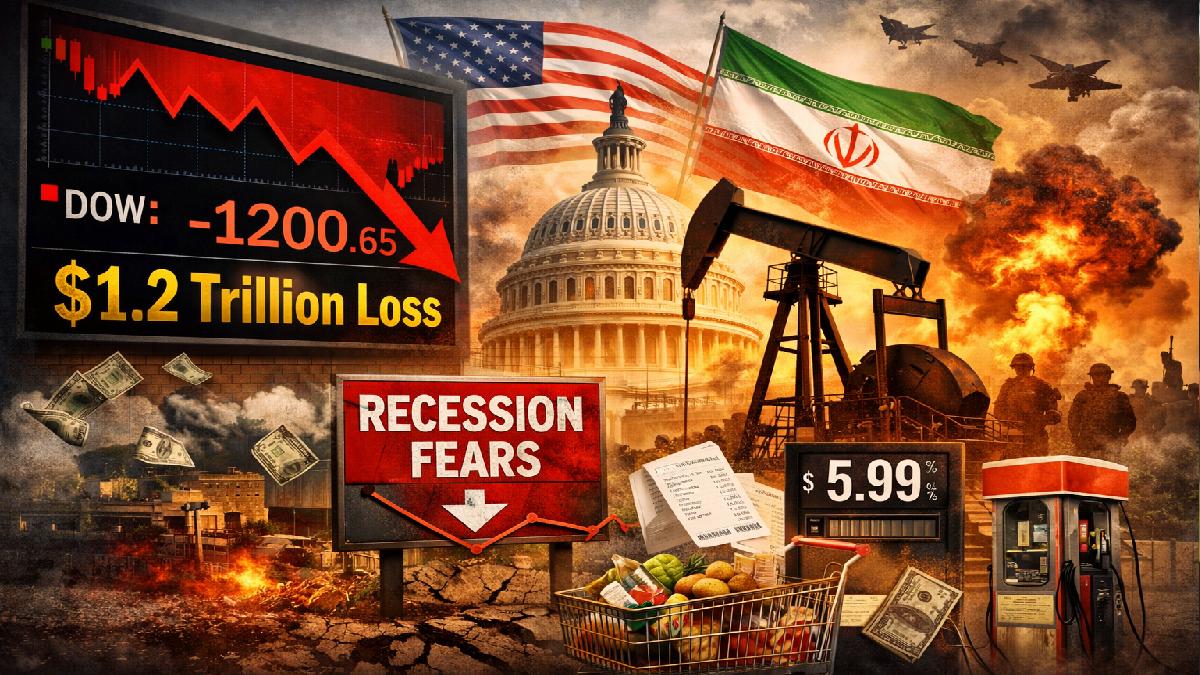
On an international level, this stand-off has larger implications. Any disruption would ravage oil supplies on the Strait of Hormuz and lead to economic consequences globally. That uncertainty in the region’s future had sent stock price swings soaring and stoked geopolitical anxiety.
With thousands said to have been entangled in the broader struggle and negotiations frozen, the world is urging restraint and fresh conversation.
A Precarious Moment
As one, our relationship with Iran is at a turning point between diplomacy and war. Ghalibaf’s caution is a blunt reminder that unless trust and partnerships are established, even a temporary respite from violence will likely be futile.