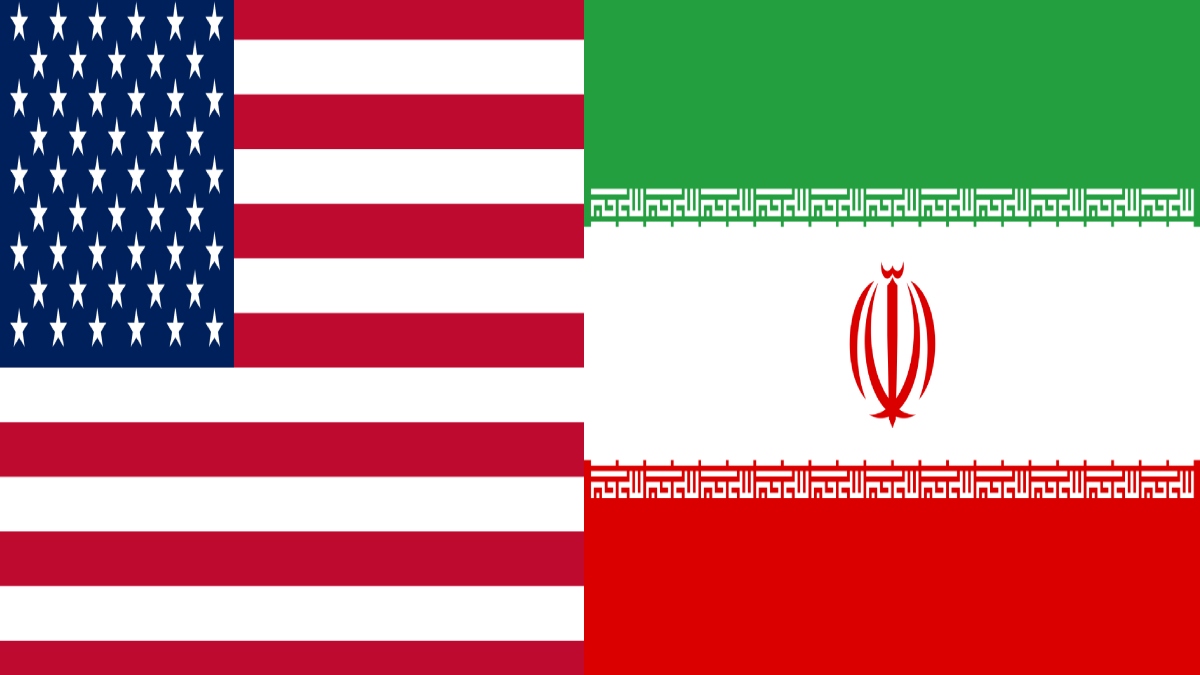
The growing tension between the United States, Israel and Iran is in fact not just about geopolitics but also is a matter of sending shockwaves throughout the American economy. In one day a billion dollars in value wiped off on the market at once, showing once again just exactly how far the crisis is hitting the economy. As war escalates, economists are warning that we’re in danger of recession (or near recession) in the U.S. if the conflict becomes more intense.
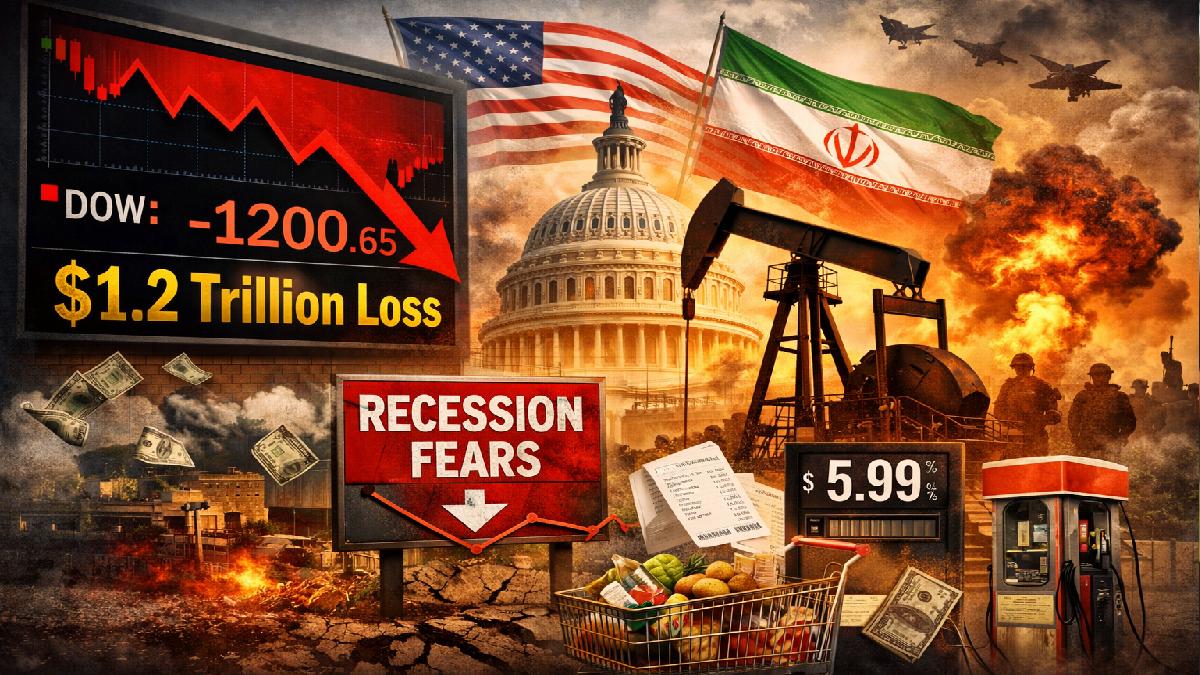
The most immediate impact on stock markets is the sharp market wipe out. There is no doubt of that, and it is one of the strongest effects to date which is why the market is in a state today is falling. In the midst of global instability, people’s appetite for markets due to uncertainty and threats of global risks has been growing steadily so that stocks like the S&P 500 and the Nasdaq are under pressure in the short term.
At the same time oil prices soared thanks to speculation about supply disruption as such major global routes such as the Strait of Hormuz are affected. That increased crude prices are also translating to higher fuel costs that are reaching businesses, the car industry, and everyday people and businesses. The inflationary pressure is squeezing businesses and even consumers which, in turn, is reducing purchasing power and weakening economic growth.
Another immediate threat is recession. Excess energy prices persist and falling market confidence raise risks of economic downturns to the greatest level ever. The financial markets are now in a state of stress mode and this is all in part because of that, and investors are not trusting, with high rates of share price fall with lower prospects and a drop on the mood.
The war is also disrupting global supply chains, too, and adding to the economic challenges of this time, shipping uncertainties, higher insurance expenses and the fact that key trade routes are going to be bottlenecked, are making goods more expensive and harder to cross. It’s not just a regional issueit has global implications that are having an effect on the US economy by raising import costs and diminishing trade efficiency.
And consumer behavior is finally changing. Coupled with inflation, the American household is worried too about spending more now because consumers are scared, and with increasing instability in every area. When consumer spending contributes so much to US growth and employment and business growth, it is difficult to recover and the economy cannot survive without holding on as it swings too much.
In essence, the Iran war is a perfect storm, or at least market volatility, rising inflation, disrupted trade and weakening consumer confidence at odds with all this. In fact the US economy is still very strong in the few parameters, but the longer the fight goes on, the risk that this pressure could cause it to come into a full-blown recession.