A high-level delegation from Iran, currently on an official visit to Islamabad, delivered a deeply moving tribute to young children who lost their lives in recent airstrikes in the city of Minab. The solemn gesture came amid ongoing diplomatic talks with Pakistan, highlighting not only political priorities but also the human cost of regional tensions.
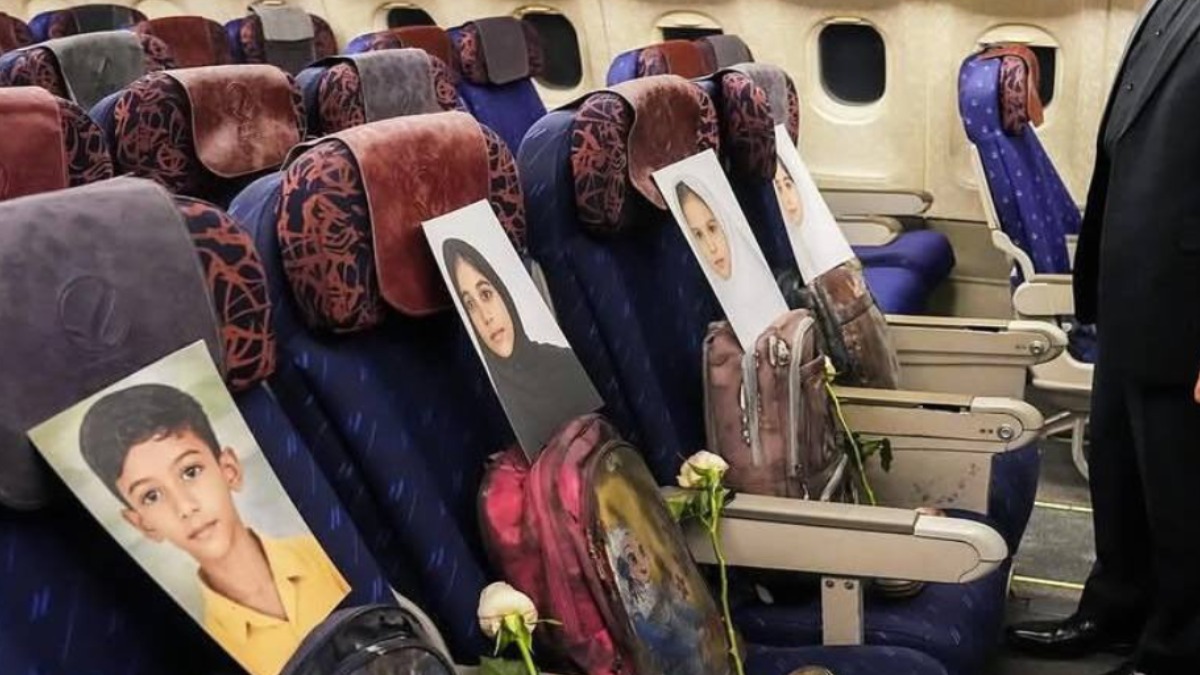
The tribute was marked by the display of personal belongings recovered from the site of the tragedy, including blood-stained school bags, damaged footwear, and photographs of the children who were killed. These powerful visuals were presented to underscore the devastating consequences of violence on innocent civilians, particularly school-going children whose lives were cut short.
Iranian officials described the incident as a tragic attack on a place meant for safety and learning. According to statements made during the visit, the airstrikes struck areas near an elementary school in Minab, resulting in multiple civilian casualties. Tehran has blamed the United States for the strikes, alleging that the operation failed to distinguish between military targets and civilian spaces.
While independent confirmation of the details surrounding the airstrikes remains limited, the images and testimonies shared by the delegation have sparked emotional reactions and concern. The belongings of the victims, especially the small shoes and school materials, served as stark reminders of the lives lost and the families left grieving.
The timing of the tribute is significant, as it coincides with important discussions between Iran and Pakistan aimed at strengthening bilateral ties. Topics on the agenda include border security, economic cooperation, and regional stability. However, the Minab tragedy has inevitably influenced the tone of these talks, bringing humanitarian concerns to the forefront.
Pakistani officials expressed their condolences over the loss of innocent lives, emphasizing the importance of protecting civilians in conflict situations. The shared moment of mourning also reinforced the broader need for peace and restraint in a region often affected by geopolitical rivalries.
Iranian High-Level delegation which landed in Pakistan for Islamabad talks gave a heartfelt tribute to young children killed in American airstrikes in Minab Elementary School in Iran and other attacks. Blood-soaked school bags and footwear with photos for the world to see. 💔 pic.twitter.com/aaHN3mt9ki
— Aditya Raj Kaul (@AdityaRajKaul) April 11, 2026
During the tribute, Iranian representatives called on the international community to take notice of the incident and ensure accountability. They urged organizations such as the United Nations to launch independent investigations into the airstrikes and to uphold international laws designed to protect civilians, especially children.
“The loss of these children is not just a national tragedy but a humanitarian one,” an Iranian official stated. “The world must come together to prevent such incidents and to ensure that those responsible are held accountable.”
The incident has added to growing concerns about escalating tensions in the region and the broader implications of military actions. Analysts warn that continued conflict could further destabilize neighboring areas, increasing the risk of civilian harm and humanitarian crises.
Human rights groups have also weighed in, reiterating the importance of transparency and adherence to international humanitarian law. They stress that regardless of the circumstances, the protection of civilians must remain a priority in any military engagement.
As the Iranian delegation continues its visit to Islamabad, the tribute to the children of Minab remains a powerful and emotional focal point. It serves as a reminder that beyond diplomacy and strategy, real lives are affected by the decisions made on the global stage.
In highlighting the tragedy, Iran has sought not only to honor the memory of the victims but also to amplify their stories on an international platform. The images and messages shared during the visit are likely to resonate beyond the halls of diplomacy, prompting renewed discussions about accountability, justice, and the urgent need for peace.
Ultimately, the tribute stands as both a moment of mourning and a call to action—urging the world to recognize the human cost of conflict and to take meaningful steps toward preventing such losses in the future.