Joe Kent, the Director of the U.S. National Counterterrorism Center, shocked Washington by resigning from his position. Kent's resignation has divided many quarters and raises profound questions about American foreign policy. His departure has sparked debate across political circles and raised questions about U.S. foreign policy.
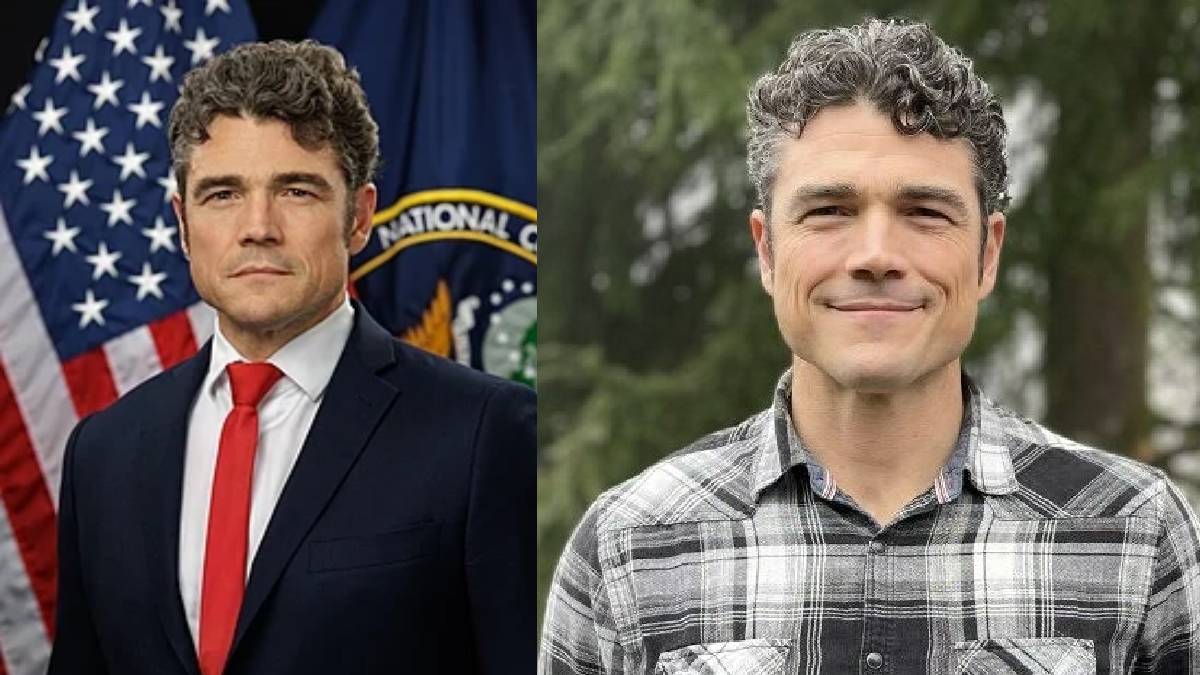
Kent publicly announced his resignation by publishing a letter on social media. In his statement, he declared that he could not in good conscience endorse the ongoing war in Iran. He blasted the administration for deceiving the public and argued that the war was unnecessary. His departure is among the most high-profile resignations made since the war began, exposing cracks in the government, too.
Joe Kent is a former Special Forces soldier for the U.S. Army and CIA paramilitary officer. He became well known through running as a Republican candidate for Congress in Washington’s 3rd District in 2022 and 2024. In 2025, he was appointed Director of the National Counterterrorism Center, which put him squarely at the center of America’s security strategy. His military past and patriotism contributed to the resignation still more.
President Trump wasted no time in reply, branding Kent “weak on national security.” This contrasted with previous praise, when Trump referred to Kent as a “true American hero.” And there’s fierce disagreement in the Republican Party. Some of the members support Kent’s view that the war is unnecessary, while others blame him for undermining national security. The resignation has also sparked more general discussion on America’s role in the Middle East.
Internationally, Kent’s resignation deepens mounting international condemnation of the U.S.-Iran war. Many world leaders have feared that the fighting could become a larger regional war. This furthers the voices of people who call for diplomacy instead of military action.

Joe Kent’s resignation isn’t just a personal decision … It is a political statement that counters America’s current course in the Middle East. For Iran, it spells fissures in U.S. solidarity. For Washington, it poses leadership and accountability questions. And for the world, it is yet another reminder of how fragile peace is once again in the region. His departure is a reminder of the fissures over the war and the unpredictable future of U.S. foreign policy.