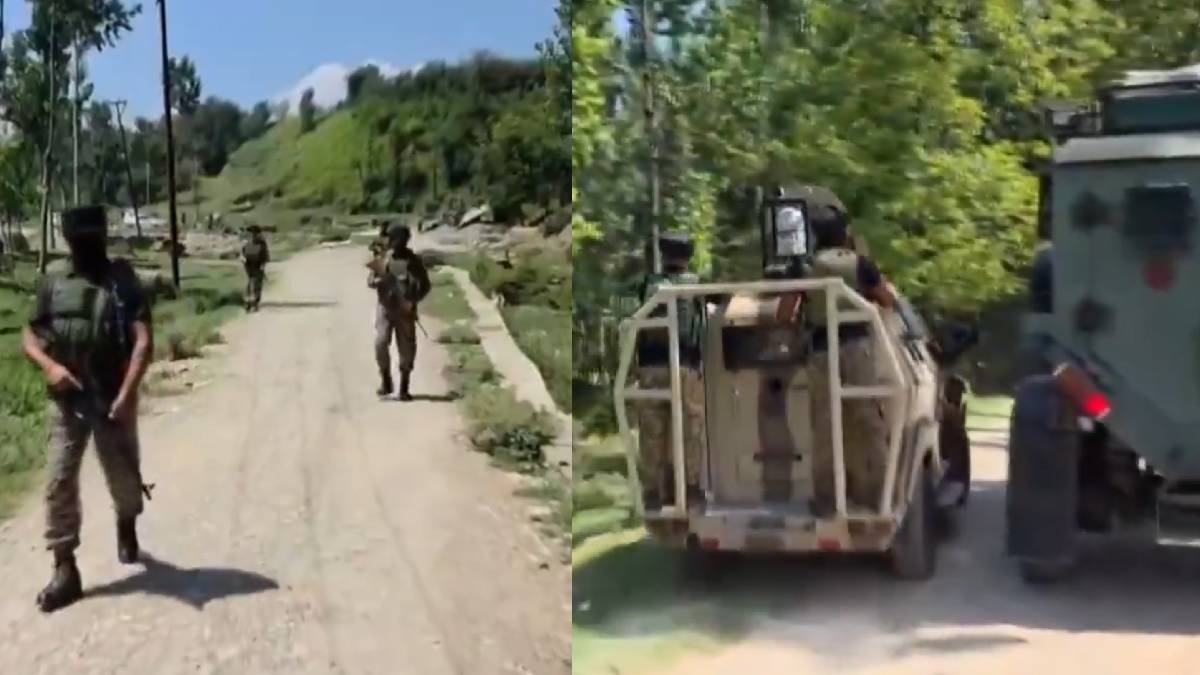
As Iran was led by the new Supreme Leader Mojtaba Khamenei, it initiated the first serious missile bombardment that marked another phase of action in the Middle East war. In the early hours of Monday, when Tehran's strike began, the Israeli Air Force (IAF) launched a rapid wave of retaliation against strategic internal security command centers and missile launch areas all over central Iran.
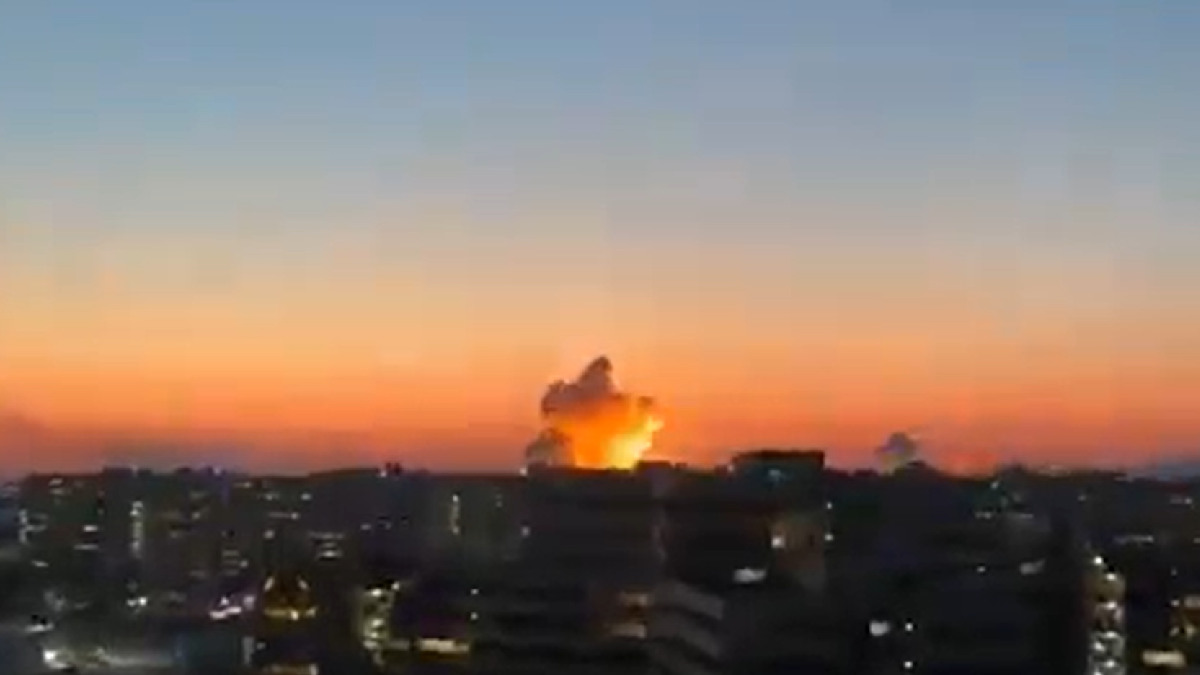
Blasts in the Heart of Israel
Early Monday morning, the central Israeli streets, including Tel Aviv and Haifa, were swarmed with air-raid sirens. The Israel Defense Forces (IDF) said that a "barrage of ballistic missiles" had been launched from Iranian territory.
Casualties: A woman in central Israel was injured by falling missile fragments; Magen David Adom reported her injury.
Interceptions: Israeli air defence equipment such as the Arrow and David's Sling, however, blocked most of these threats, but fragments fell in several areas and caused local damage to residents.
Tehran Under Fire
In response, Israeli fighter aircraft carried out high-precision strikes against "regime infrastructure" in Tehran. The effect of such strikes was a chain reaction of attack against Iranian installations and infrastructure. Witnesses reported heavy explosions shaking up the capital where plumes of black smoke erupted from Iranian internal security headquarters. The attacks come on the heels of a weekend of heavy bombing of Iranian oil depots that has suffocated the city’s air with toxic smog and oil-tainted showers.
A Regional Conflagration
The war is no longer confined to the two main adversaries.
- Bahrain: A drone strike on Sitra injured 32 people, including children, in what’s now considered the biggest civilian toll in the Gulf in the war since the beginning on February 28.
- UAE: Air defenses in Abu Dhabi intercepted munitions, but falling debris caused moderate injuries to two foreign nationals.
- Lebanon: The IAF is still hitting Hezbollah bases in the southern suburbs of Beirut, the focus, particularly banks and other financial institutions tied to the militant group.
Economic Shockwaves
This escalation has sent global markets into a tailspin. Brent crude oil prices have soared above $115 a barrel amid debate among G7 member states over the possible coordinated release of 400 million barrels of critical reserves to bring the energy market back to a stable state. The equity markets in India have suffered a huge sell-off and investors have lost nearly ₹31 lakh crore since the conflict initiated.
Despite the passage of “Day 10” of Mojtaba Khamenei’s rule, the rhetoric from Tehran is defiant; the IRGC has committed to “complete obedience” and to additional back-up attacks against U.S. and Israeli assets in the region.