Tensions between Japan and China flared again on Tuesday as coast guard vessels from both sides faced each other near the disputed Senkaku Islands in the East China Sea. The maritime dispute has once again stirred one of Asia’s most sensitive territorial disputes with Tokyo and Beijing claiming to have forced the other to leave waters they regard as sovereign territory.
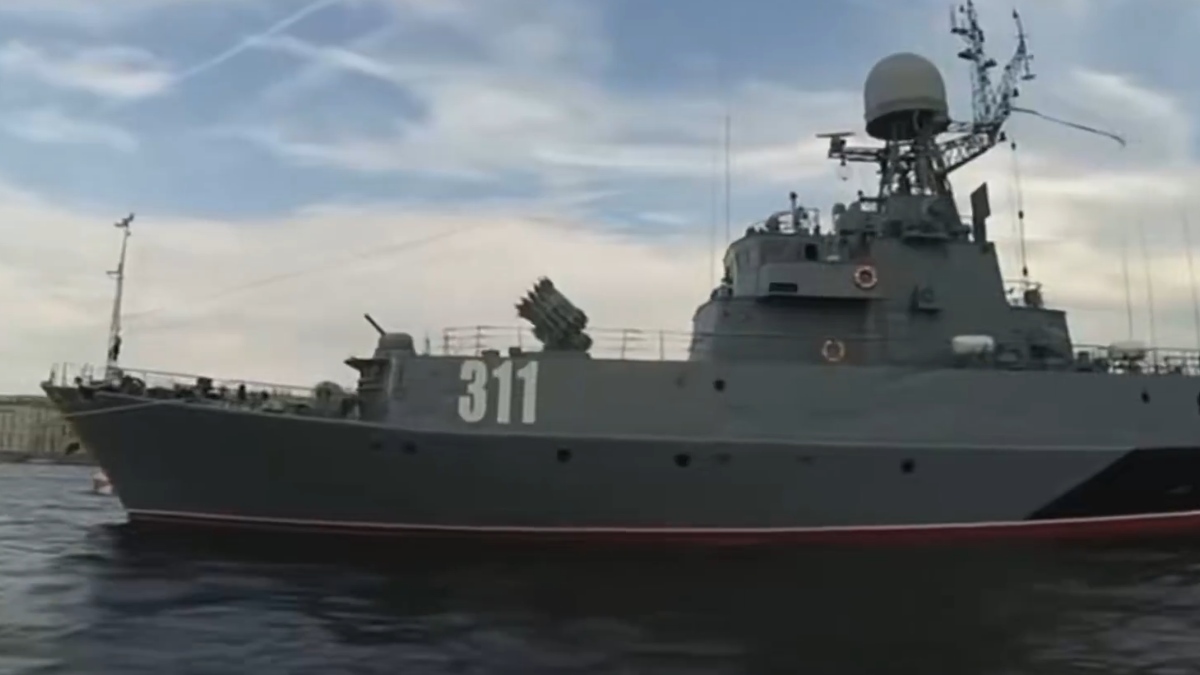
According to Japanese authorities, the conflict started when four Chinese Coast Guard ships were detected near the uninhabited island chain, which is administered by Japan but also claimed by China and Taiwan. Japan's Coast Guard said two of the Chinese vessels entered what Tokyo considers its territorial waters while approaching a Japanese fishing boat.
Japan sent patrol vessels to protect the fishing boat and ordered the Chinese ships to leave the area. A Japanese Coast Guard statement said it had successfully forced the Chinese vessels to leave the area by around 9:20 a.m. local time.
Japan’s officials described the Chinese ships’ actions as a violation of international law and they said that the Senkaku Islands are inseparable from Japan’s territory.
China Rejects Japan's Account
But Beijing offered a completely different version of events.
China’s Coast Guard spokesperson Liu Dejun claimed it was a Japanese fishing vessel that had illegally entered China’s territorial waters around the islands, which Beijing calls the Diaoyu Islands.
According to the Chinese Coast Guard, its vessels took "necessary control measures in accordance with the law" and warned the Japanese fishing boat before driving it away.
Liu also urged Japan to stop what he called “illegal activities” in the disputed waters.
But the two sides of the story illustrate the long-standing tension between the two Asian powers over sovereignty of the East China Sea, even routine patrols are often met with diplomatic protests.
Why the Islands Matter
The Senkaku, or Diaoyu Islands are small, uninhabited, and only a few square kilometres in size, but they carry huge strategic and economic significance.
The islands are located between Japan’s Okinawa Prefecture and Taiwan on important maritime shipping routes in the East China Sea. The surrounding waters are believed to be rich fishing waters, and may hold oil and natural gas reserves which would make the area strategically important.
Japan has administered the islands since 1972, but China and Taiwan both have competing sovereignty claims. Since then the islands have been one of the biggest sources of friction between Tokyo and Beijing.
Rising Maritime Tensions
Chinese coast guard ships regularly patrol waters around the islands to reinforce Beijing's territorial claims, while Japan maintains a constant coast guard presence in the area to protect its administrative control.
These incidents may lead to diplomatic protests and the two nations have the other countries accusing the other of violating international law and increasing regional tension.
And the latest clash comes at the same time as Japan-China relations are also under strain. The two countries have been in a war of words over military activity in the East China Sea and around Taiwan in recent months.
Japan has stepped up efforts to strengthen its defence capabilities, citing China's increasingly assertive military and maritime posture in the Indo-Pacific region. Meanwhile, Beijing insists that it is defending China's sovereignty and coast guard and naval presence around the disputed territories, not its defence.
A Continuing Flashpoint in Asia
While Tuesday's encounter ended without any reported injuries or physical confrontation, it’s another sign of how quickly tensions can escalate in one of the world’s most contested maritime areas.
The Senkaku/Diaoyu Islands are also another geopolitical flashpoint between Japan and China, and they have not let go of their territorial claims. Studies suggest that frequent encounters between coast guard and military vessels increase the risk of miscalculation, and diplomatic communication and crisis management will be key to prevent a larger conflict in the East China Sea.
As both sides make progress towards being able to build their maritime presence, the dispute will be a vital issue for regional stability and security in the Indo-Pacific and regional stability and security in general.