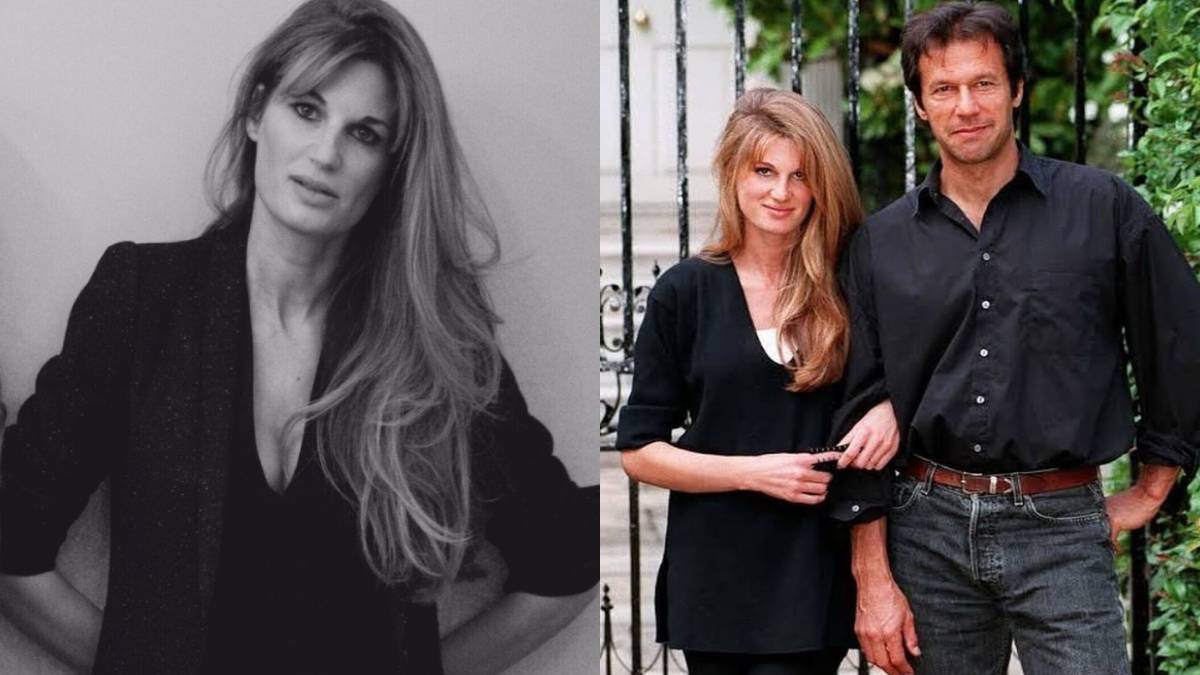
British producer and writer Jemima Goldsmith, former wife of ex-Pakistan Prime Minister Imran Khan, has spoken out strongly against what she describes as “secret throttling” of her posts on X (formerly Twitter). In a series of posts this week, Jemima claimed that whenever she writes about Khan’s ongoing solitary confinement in Pakistan, the reach of her messages is drastically reduced, both inside the country and globally.
The Allegations
Goldsmith alleged that her account is being subjected to “visibility filtering”, effectively silencing her attempts to raise awareness about Khan’s condition. She pointed out that her sons, who she shares with Imran Khan, have not been able to see or speak to their father for months, nor even send him letters. According to Jemima, this suppression prevents her from sharing updates about Khan’s situation with the wider world.
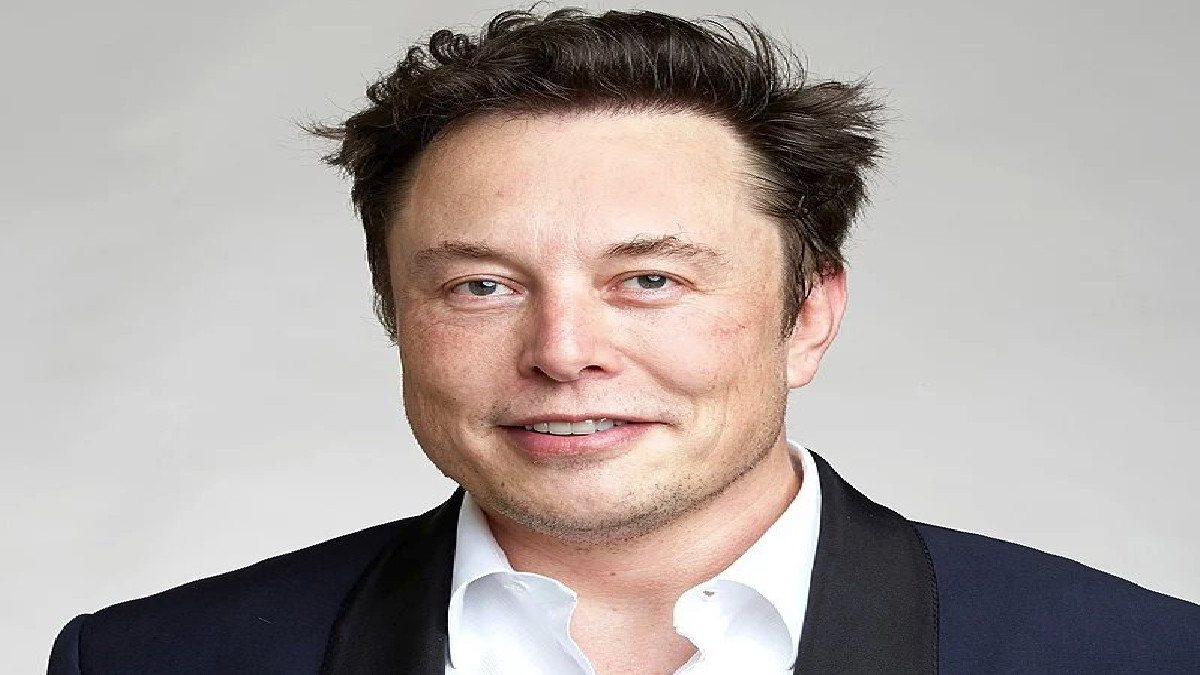
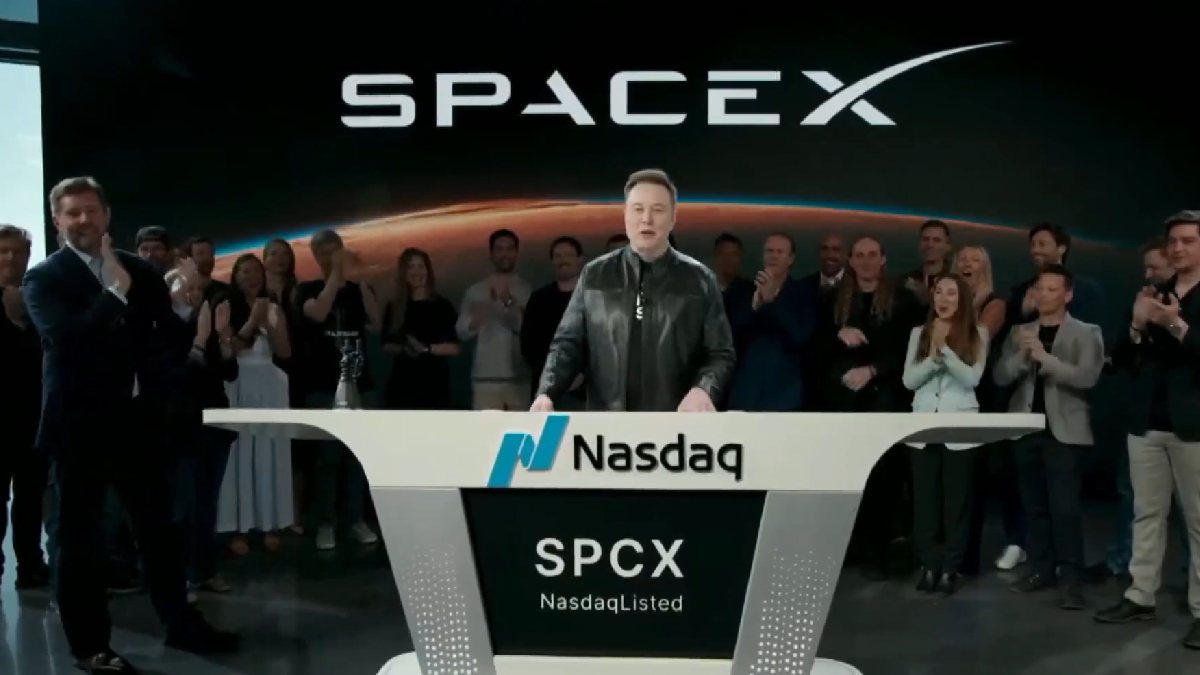
Direct Plea to Elon Musk
In her appeal, Jemima addressed Musk personally, reminding him of his commitment to free speech when he acquired X. “Elon, you may recall we have met before,” she wrote, urging him to “fix the visibility filtering” so her posts can reach audiences without restriction. She backed her claims with statistics showing how engagement on her posts plummets whenever she mentions Khan’s imprisonment.
.@elonmusk
— Jemima Goldsmith (@Jemima_Khan) December 12, 2025
Elon, you may recall we have met before.
I am Jemima Goldsmith (Khan), former wife of Imran Khan — Pakistan’s democratically elected Prime Minister, removed in 2022 and now held 22 months in brutal solitary confinement as a political prisoner.
Our two sons have not…
Context of Imran Khan’s Detention
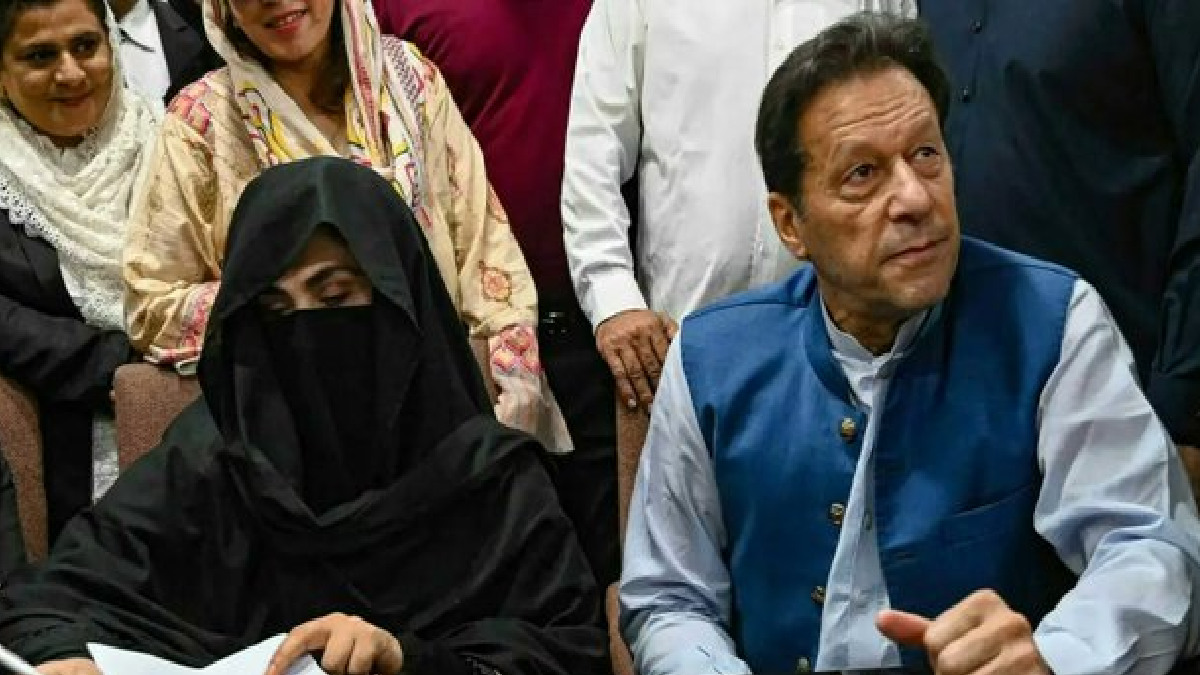
Imran Khan has been held in solitary confinement for nearly 22 months, facing multiple legal challenges and restrictions on family visits. Rumors about his health and even false reports of his death have circulated, prompting Jemima and her sons to demand proof of life and transparency from Pakistani authorities.
Wider Implications
Jemima’s statements highlight growing concerns about digital censorship and the role of social media platforms in political discourse. Her plea underscores the tension between promises of free speech and the realities of algorithmic filtering, especially in politically sensitive contexts.
By directly appealing to Elon Musk, Jemima Goldsmith has reignited debate over the responsibilities of tech platforms in safeguarding free expression. Her remarks not only shed light on Imran Khan’s plight but also raise broader questions about the limits of online speech in politically charged environments. Whether Musk responds remains to be seen, but Jemima’s intervention has ensured the issue will not be ignored.