The pre-dawn silence of Kabul came crashing down on today, alongside a gale of both exploding guns and continuous waves of anti-aircraft gunfire. The capital is emerging as a new flash point in what officials are now labeling an "open war" between the Taliban-led government and Pakistan.
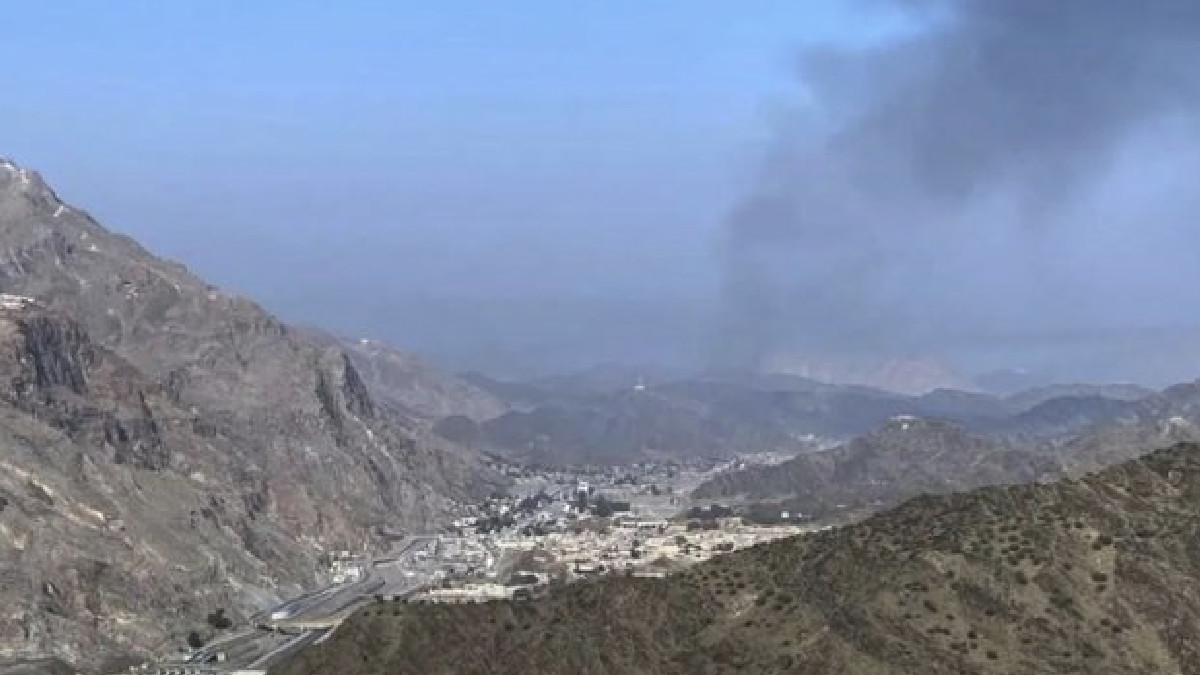
Air Defense Activity Over the Capital
At least two massive blasts were heard by residents all over central Kabul, followed by the steady thumping of anti-aircraft batteries, according to sources. And Taliban government spokesman Zabihullah Mujahid immediately acted to calm the panic, saying Afghan forces were targeting foreign intruders. “Air defense attacks were carried out in Kabul against Pakistani aircraft. Kabul residents should not be concerned,” Mujahid said through official channels.
The attacks come after a series of days of heavy air strikes by Pakistan's Air Force, from Islamabad’s “Operation Ghazab lil Haq” (Wrath for Truth). Pakistan alleges these strikes are a justified response to cross-border militancy - but more pointedly attack TTP (Tehreek-e-Taliban Pakistan) infrastructure.
Escalation: Moving from Border Skirmishes to Total Conflict
The fighting, which officially began Sunday and had begun its fourth day, has quickly ventured outside the disputed Durand Line. On Thursday evening, the fighting broke out, as Afghan forces began a heavy offensive on the frontier prompting a vast air and ground offensive by Pakistan.
Overview of the conflict:
- Jalalabad Incident: On Saturday, Afghan security forces alleged they shot down a Pakistani fighter jet in the sixth district of Jalalabad. The pilot was captured alive after parachuting from the craft, according to Tayeb Hammad, a police spokesman, which Islamabad has since officially designated as “totally untrue.”
- Kandahar Attacks: Reports have indicated Pakistani jets also attacked Kandahar, the spiritual home of the Taliban's supreme leader, Hibatullah Akhundzada.
- Increasing casualties: Pakistan’s information minister, Attaullah Tarar, said more than 350 Afghan Taliban personnel have been killed since Thursday, with hundreds of military posts and armored vehicles destroyed. Whereas Kabul has blamed Pakistan for killing dozens of civilians in the rural Kandahar and Nangarhar provinces.
A Humanitarian Crisis Just Being Started
The "open war" only comes at a time when Afghanistan is already struggling with extreme poverty and a failure of international aid. Residents said they witnessed a night of terror in the Darulaman neighborhood in western Kabul, where ammunition depots ignited by earlier strikes continue to erupt.
“We are just ordinary people,” said one local pharmacist. “We were jolted awake at 2:00 AM mistakenly because we thought it was an earthquake, but just the sound of war. We are more concerned about bread than we are about fighting at the front lines.”
Global Calls for Restraint
The international community has sounded the alarm over the prospect of a full-scale war between the two neighbors. Iran, Russia, and China have all had urgent calls for dialogue with Tehran saying that it would be amenable to mediation. The United States, meanwhile, recently offered to support Pakistan’s ability to defend itself against cross-border attacks — a development of dramatic proportions.
The prospect of a ceasefire is still distant as the sun comes up in a smoke-shrouded Kabul. And as both parties enjoy the sort of remarkable victories and each never shows the slightest sign of slowing down, the Fourth Day of the Afghan-Pakistan war is for all intents and purposes the most dangerous time for the region in decades.