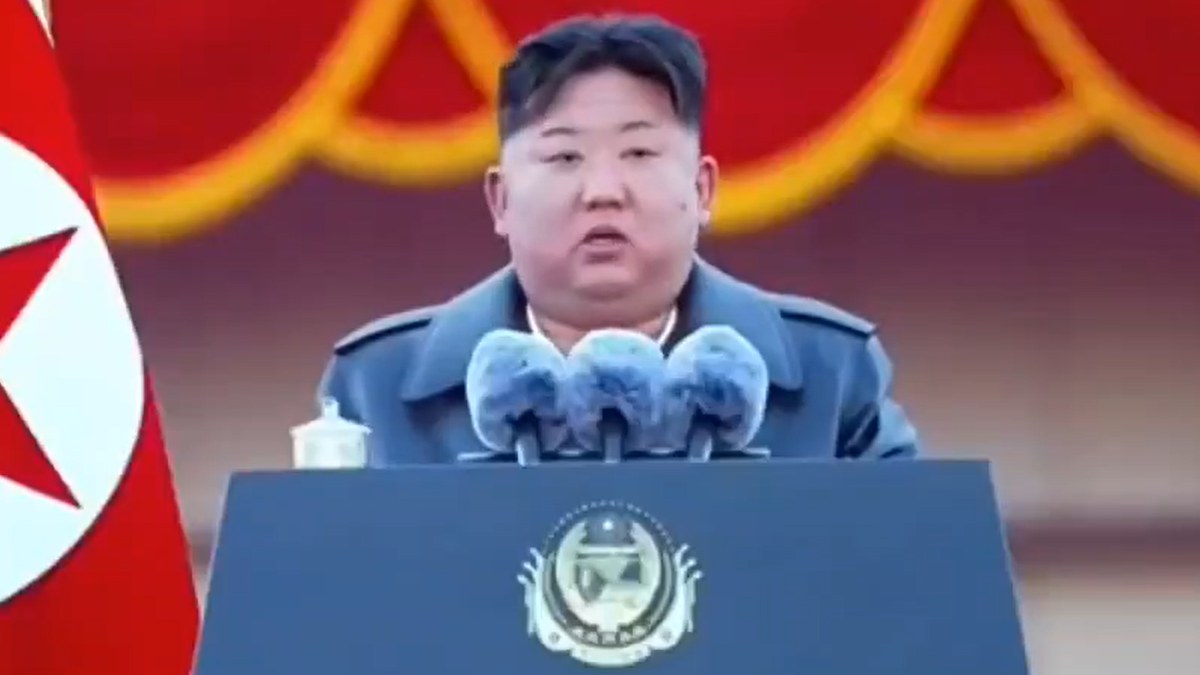
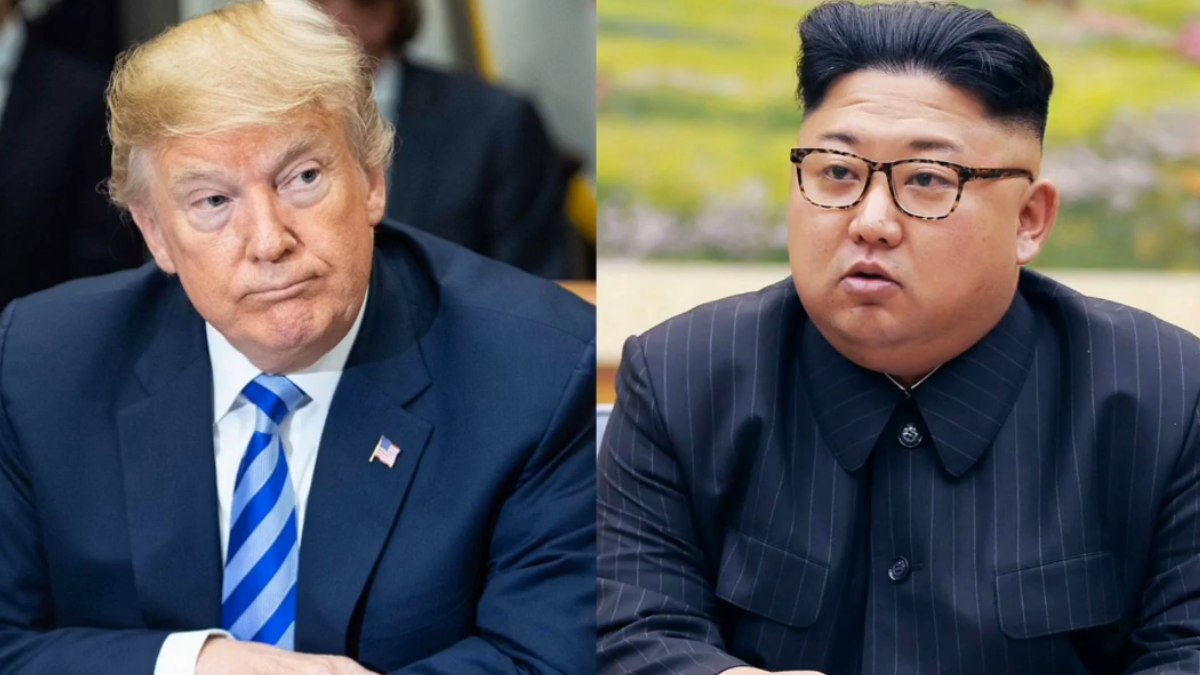
North Korean leader Kim Jong Un has issued a strong warning to the United States, claiming that all American territory is within the reach of North Korea’s nuclear weapons. The statement, widely reported by state media, signals a renewed escalation in rhetoric between North Korea and United States.
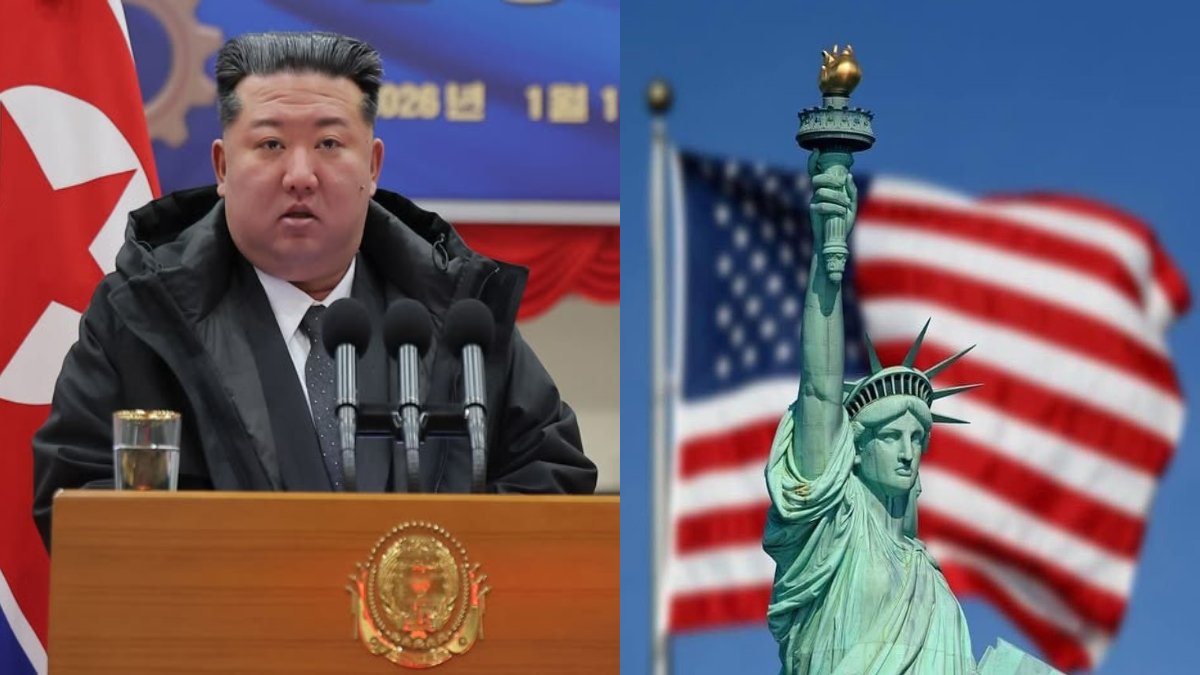
In his remarks, Kim said the “nuclear button is always on my desk,” emphasizing that North Korea’s strategic weapons are ready for use if the country perceives a threat to its sovereignty. He also claimed that North Korea has the capability to strike any location in the Americas without prior warning, a statement that has drawn global attention.
Kim warned that enemies of North Korea would face “endless terror,” adding that the message was meant to convey the seriousness of the country’s military readiness rather than simply serve as a threat. According to analysts, the statement reflects Pyongyang’s continued effort to project strength and deterrence on the international stage.
Security experts say the warning suggests that North Korea wants to demonstrate that the confrontation is no longer limited to the Korean Peninsula. By referencing major U.S. cities such as Washington, D.C. and New York City, Kim appeared to highlight the potential reach of his country’s long-range missile systems.
🇰🇵 Kim Jong Un:
— China in English (@New_tres) March 9, 2026
"The nuclear button is always on my desk… and all U.S. territory is within the range of our nuclear strike.
"We can hit any location in the Americas without prior warning."
"Enemies will feel endless terror; this is not a threat, but a reality the United… pic.twitter.com/PoEGRnfVzq

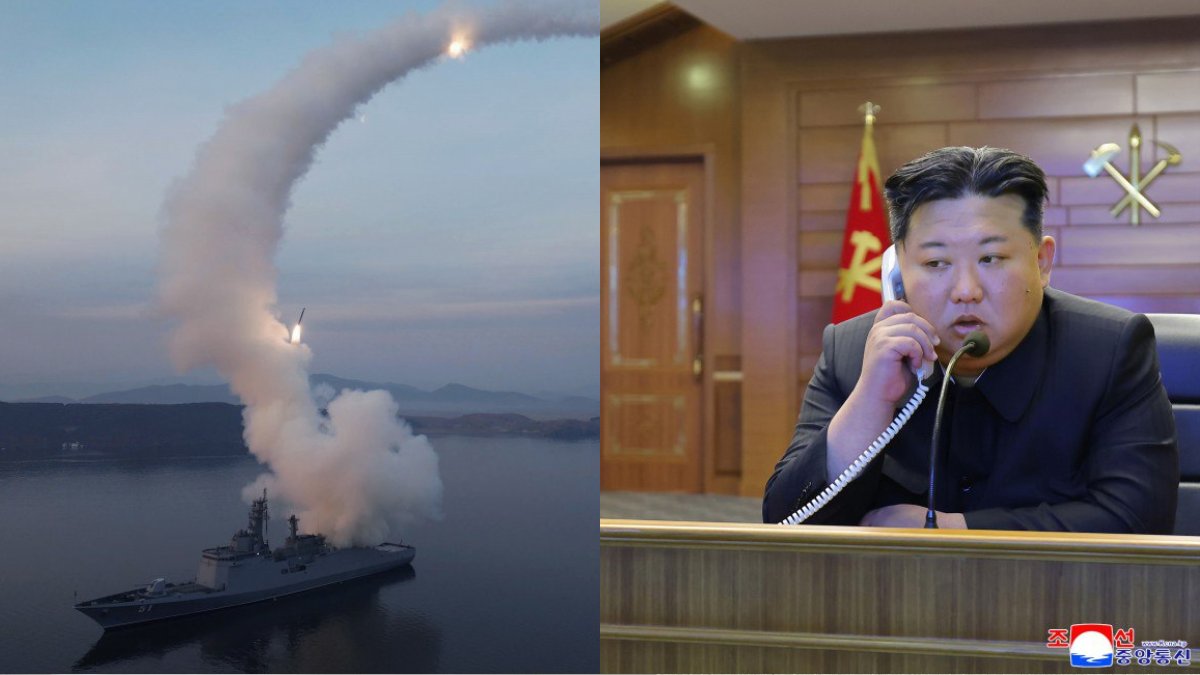
The comments come amid ongoing military developments in North Korea, including recent missile tests and weapons modernization efforts. Pyongyang has been actively working to expand its arsenal of intercontinental ballistic missiles (ICBMs) and nuclear-capable weapons.
The United States and its allies have repeatedly condemned North Korea’s nuclear program and missile tests, arguing that such actions violate international resolutions and threaten global security. Washington has also strengthened military cooperation with regional allies, including South Korea and Japan, to counter potential threats from Pyongyang.
Diplomatic efforts aimed at reducing tensions between the two countries have stalled in recent years, leaving the situation in a state of strategic uncertainty. Analysts warn that strong rhetoric from either side could further complicate attempts to restart negotiations on nuclear disarmament.
Despite the heated language, many experts believe the statements are primarily intended as deterrence and political signaling, rather than an immediate indication of military action. However, the remarks underline the fragile nature of relations between North Korea and the United States.
As geopolitical tensions remain high, the international community continues to call for dialogue and diplomatic engagement to prevent further escalation and maintain stability in the region.