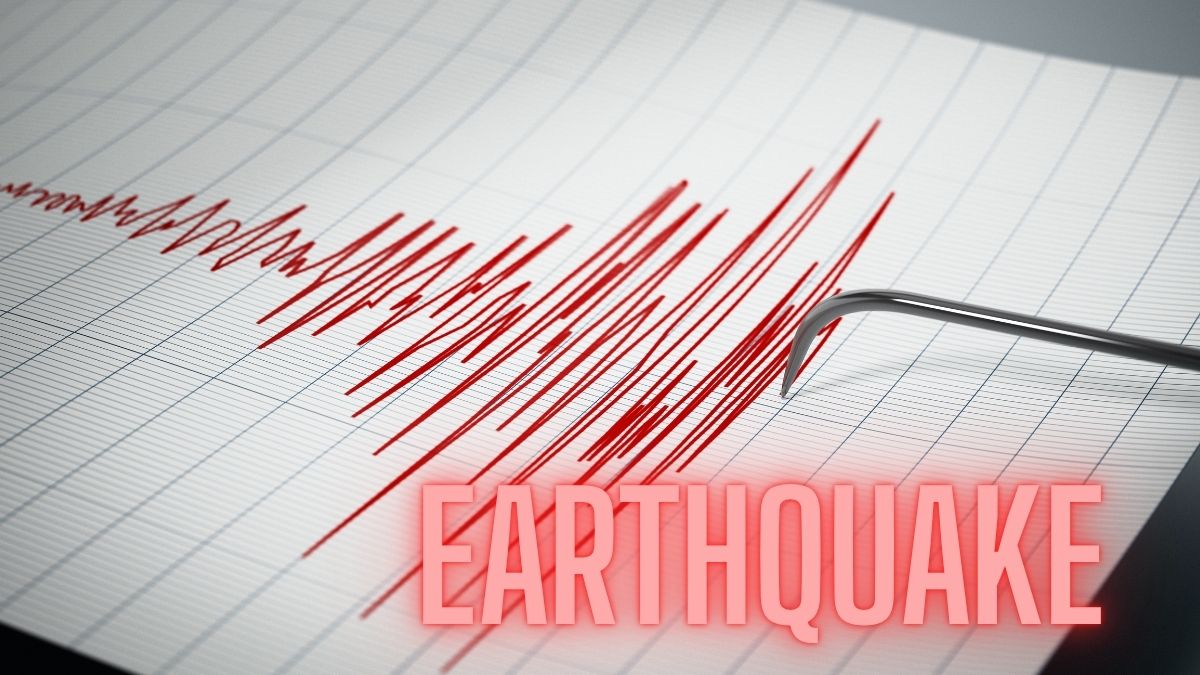
On Saturday, a Richter-type earthquake of magnitude 5 struck parts of Afghanistan, which shook large parts of the country and parts of Kashmir. While the shaking was not particularly intense, it was intense enough to cause a public panic wave throughout parts of the area.
Initial reports suggest that the earthquake started at a moderate depth below ground, where the tremors could cross the border. It is suspected that the epicentre is situated in a seismically active area of Afghanistan, where earthquakes happen because it lies along the collision zone of the tectonic plates of India and Eurasia. Some Kashmiri residents had buildings shudder around them for a few seconds.
Many fled by walking outside their homes and offices. And while the tremors have led some concern, at this point, there were no instantaneous news reports or calls for either major damage or death in Afghanistan or Kashmir. Officials on the ground and disaster management groups continue to follow the zone closely.
They have also placed emergency response officers on high alert to act quickly if there are any aftershocks or any late reports of damage. In some remote or structurally vulnerable areas, moderate tremors in earthquake-prone places like Afghanistan could be dangerous.
Afghanistan is known to have had earthquakes, with many disastrous cases reported through the years. The country’s rugged terrain and weak infrastructure in some parts of the country make rescue and relief efforts challenging after many natural disasters. But the early stages indicate that the effect has been relatively muted in this situation.
Earthquakes of magnitude 5 are classified as moderate and rarely leave widespread destruction, unless they strike close to densely populated areas or at shallow depths, experts say. Even so, those tremors, a sign of the area’s sensitivity to seismic activity, form an important lesson.
And authorities in Kashmir, which is located in a harsh seismogenic zone of its own, repeated the need for earthquake preparedness more than once over the years. Buildings constructed without safe standards continue to be at the greatest risk from moderate earthquake damage.
Seismologists are still watching the data of that episode for the nature of the aftershock and potential behaviour. Residents living in the affected areas must be warned to use caution and adhere to safety orders given by local authorities. It doesn’t matter anyway disaster warning is an important thing and while the situation is relatively under control, disaster warning is the quintessent element of disaster preparedness and resilience, showing that if you live in a space that regularly suffers from natural disasters, the right structure helps to mitigate them, and those that provide shelter, water and shelter can be hard to hit.