
There was an earthquake measuring 4.1 on the Richter scale in Himachal Pradesh's Shimla district early in the morning of October 17, according to the National Centre of Seismology (NCS) on Saturday.
The earthquake came at 4:36 AM Indian Standard Time, and the depth of the earthquake was estimated to have been about 10 kilometres below the earth's surface. The epicentre was about 24 km from Rohru in Shimla district. The earthquake has generated attention to the seismic activity in the Himalayan region, a region that is very sensitive to earthquakes.
There was no official statement on the death or damage to property as yet. The earthquake occurred in the early morning hours of the morning in which most people would have been asleep, NCS reported. 4.1, meaning that its magnitude is moderate and people in the impacted area might feel a moderate tremor if the earthquake was too far away from the epicentre, the depth of the earthquake and the ground conditions.

But residents' actual intensity may be different from the magnitude of the earthquake detected by the monitoring instruments and we need more information from the local authorities to know if it was felt in the area of residential areas or caused any damage. The epicentre of the earthquake was located around 24 km from Rohru, a city in Shimla district of Shimla.
The place of the earthquake is located in the mountainous area of Himachal Pradesh, where tectonic activity is very well connected to the collision of the Indian and Eurasian plates, and the Himalayan mountains are still moving towards the ground as the plates move with each other. As a result of current dynamics of the Himalayan mountain range, earthquakes are a recognised natural hazard throughout the region.
Most earthquakes are very small and cause minimal damage but are affected by depth (e.g. geology, buildings and proximity to populated areas) and are frequently accompanied by ground shaking. Lower-depth earthquakes can cause strong ground shaking around their epicentre because the seismic energy travels a shorter distance to the surface. However, magnitude and depth alone are not enough to determine the extent of damage.
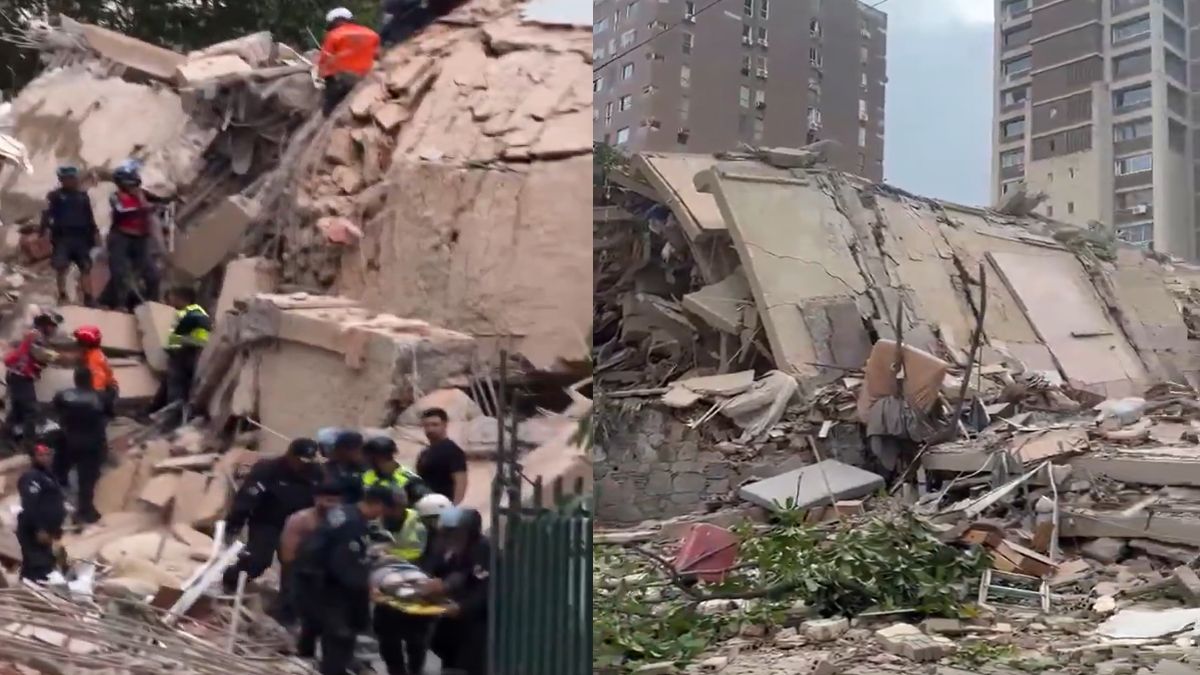
The impact is also related to the strength of shaking at the locations and the structure of buildings. In general, it is the reports of residents and field visits that help assess the damage from the magnitude and depth of an earthquake and how large the damage will be.
Himachal Pradesh is in a seismically active part of northern India, and earthquakes keep hitting different parts of the state. The mountainous terrain, steep slopes and settlements in valleys make disaster preparedness very important. People living near steep slopes should take local administration advice if they feel a sudden movement in the ground and/or slope instability after a tremor.
Residents must follow emergency procedures for earthquake safety and not rely on social media, and they should be active in the community so that they can feel the earthquake. If the earthquake strikes, people who are home should drop to their hands and knees, put their bodies under strong furniture and stay in position until it stops shaking. The same goes for windows and heavy objects that might fall.
People outside need to move away from buildings, power lines and any other structures that may be in danger. They should check for injuries and damage if there are any and in the case of buildings damaged in the process. Any gas leaks, electrical hazards or structural flaws are to be reported to the authorities. The immediate response after the reported 4.1 magnitude earthquake is to observe the situation and get information about what happened.
There was no explicit information about casualties or property damage reported during the first report. Residents in Shimla district and surrounding regions should continue to follow the latest updates from the National Centre for Seismology and local disaster management authorities. The tremor might also shed light on whether it was felt across nearby settlements and whether any damage occurred. The earthquake magnitude, time, depth, and location of the earthquake remain the only known details about the earthquake until now.



Comments
Leave a Comment