Nepal has intensified its call for climate justice and compensation following the devastating flash floods that have caused widespread destruction, deaths and displacement in the Himalayan nation. Nepal contributes only a fraction of global greenhouse gas emissions but faces a disproportionate impact from climate-related disasters, Foreign Minister Shisir Khanal said in a speech.
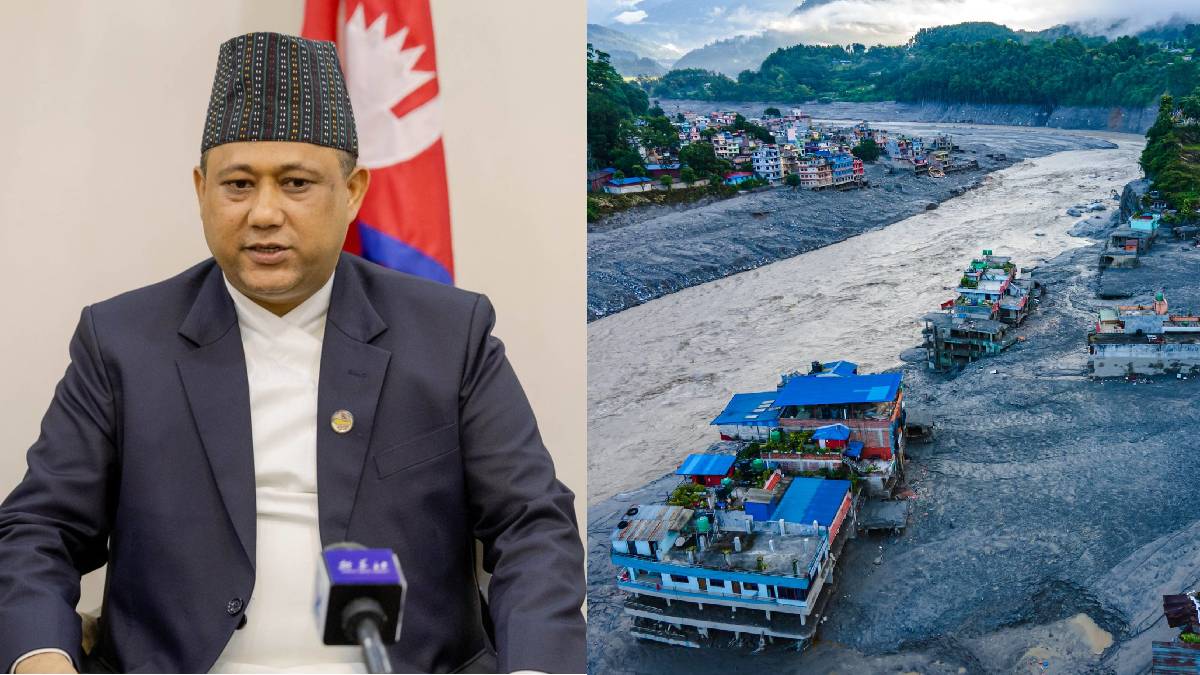
Khanal said Nepal is shifting its diplomatic approach from seeking conventional humanitarian “aid” to demanding justice and compensation for climate-related losses. China, the United States and India are some of the world’s largest greenhouse gas emitters, he said, and major industrial emitters have a historic responsibility to vulnerable countries.
"We are paying the ultimate price for a global crisis we did not create," Khanal said, pointing to fast glacier melt and increasingly severe mountain disasters as consequences of global climate change.
The minister said the demand was a matter of moral and legal responsibility rather than charity. He said Nepal was taking the matter to international forums and has taken steps towards formally pursuing climate-related compensation.
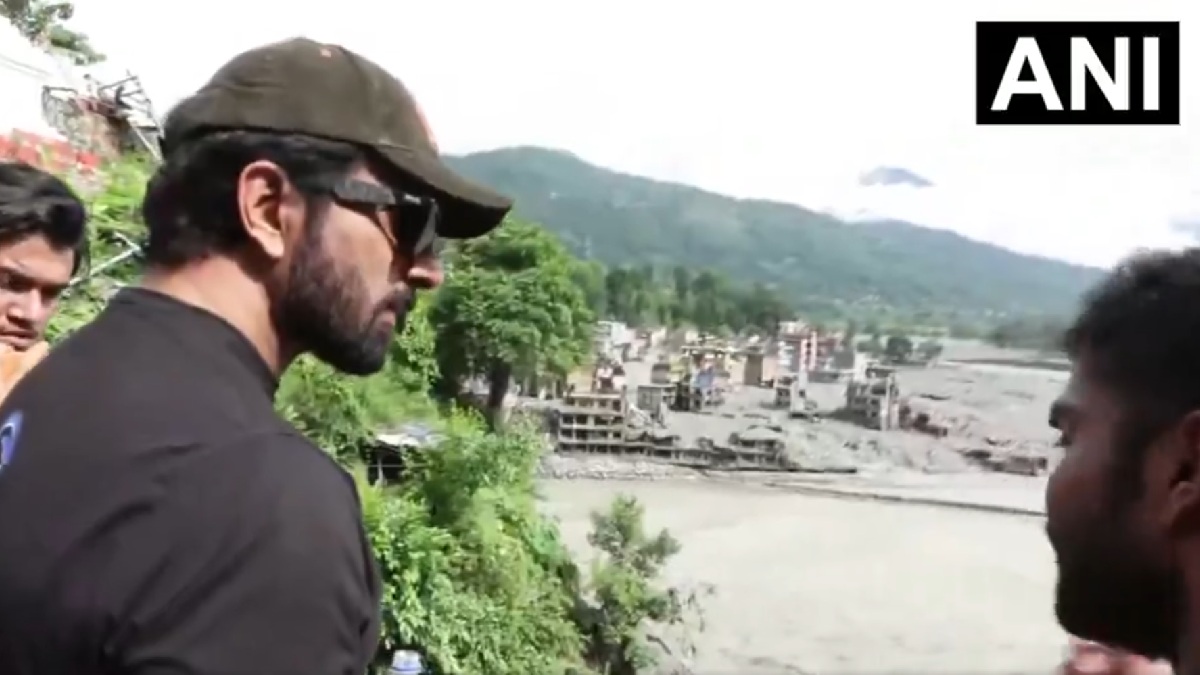
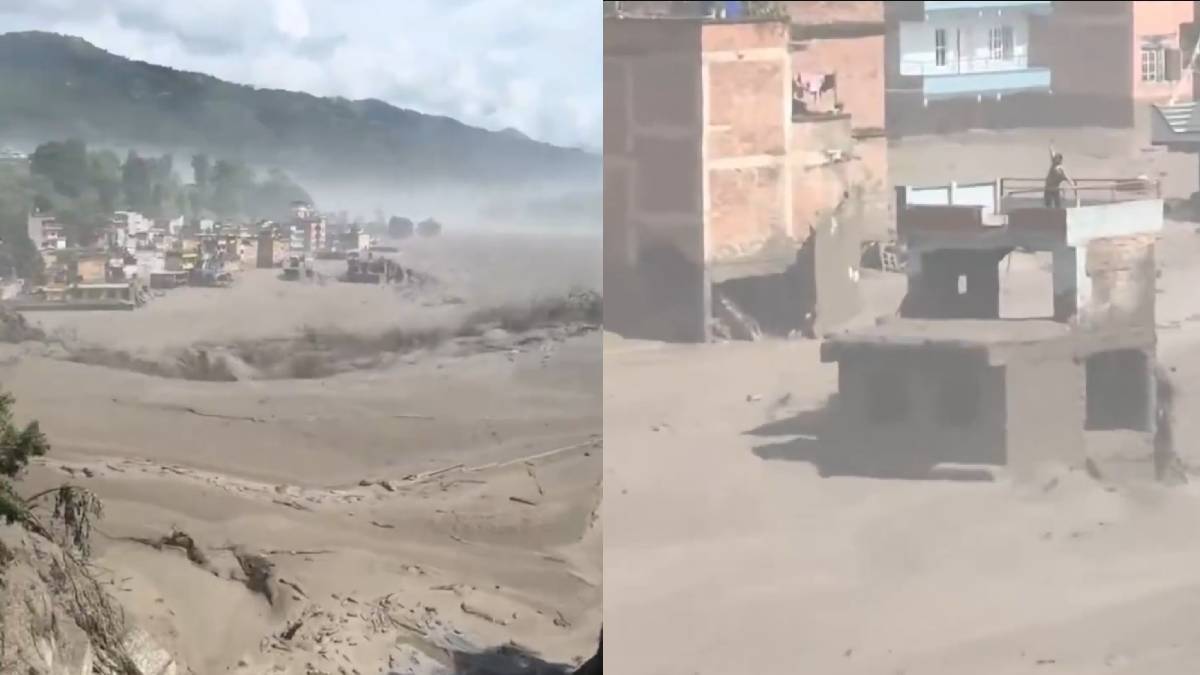
The demand comes as Nepal is still dealing with the magnitude of the human and economic damage caused by the recent floods. Thousands of homes have been destroyed or rendered uninhabitable, and roads, bridges, hydropower facilities and other infrastructure have been destroyed. 20,000 homes will be rebuilt after the disaster, and thousands of people are still missing, the media reported.

Nepal’s argument is rooted in the broader international debate around loss and damage from climate change. Developing and climate-vulnerable countries have increasingly argued that countries with historically high greenhouse gas emissions should provide financial support to countries suffering severe climate-related consequences.
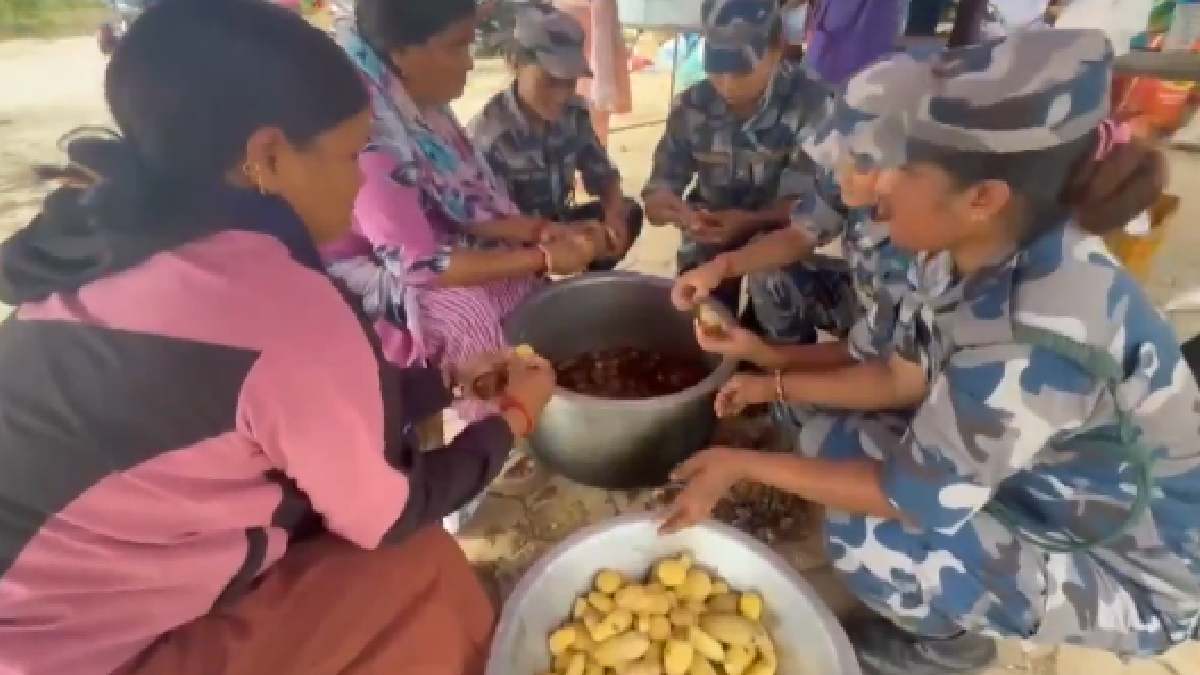
But the issue has also generated diplomatic sensitivities. India’s Ministry of External Affairs has stressed that climate change is a common global challenge while reiterating its support for Nepal and its humanitarian response. India has already provided relief supplies, medical assistance, and specialised rescue teams to support the disaster response.
Nepal Prime Minister Balendra Shah has also publicly thanked India and China for their assistance during the crisis. India has sent several consignments of relief material, including an 11-member rescue team and essential medicines.
Importantly, Khanal later explained his comments, saying his remarks on compensation were made in the context of climate change and international cooperation and not as a demand for a specific payment from individual countries.
But the debate also underscores Nepal’s increasing concern about the vulnerability of the Himalayan region. Scientists and policymakers have said warming temperatures, glacier instability, changing rainfall patterns and other changes in climate are increasing threats for mountain communities.
For Nepal, the argument is not limited to one disaster. Khanal has framed the issue as a long-term question of survival for Himalayan ecosystems and the millions of people downstream who depend on rivers originating from the region.
The compensation debate is therefore likely to remain part of Nepal’s international climate diplomacy as the country moves from emergency rescue operations to the much larger challenge of reconstruction and rebuilding.