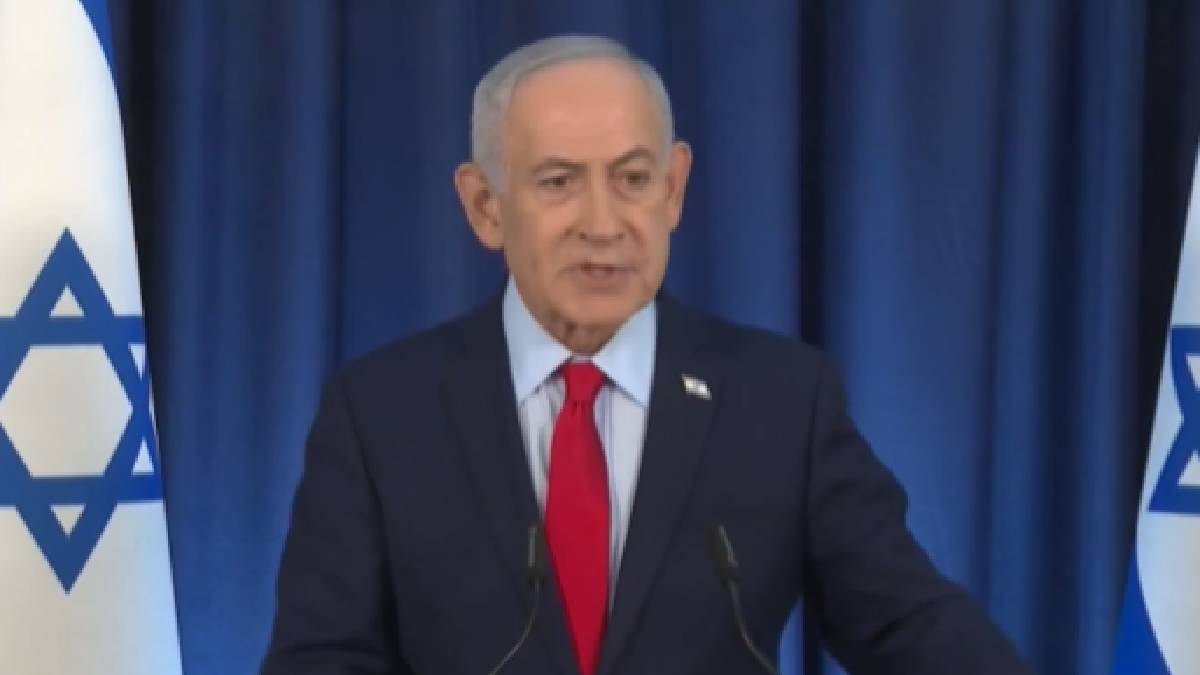
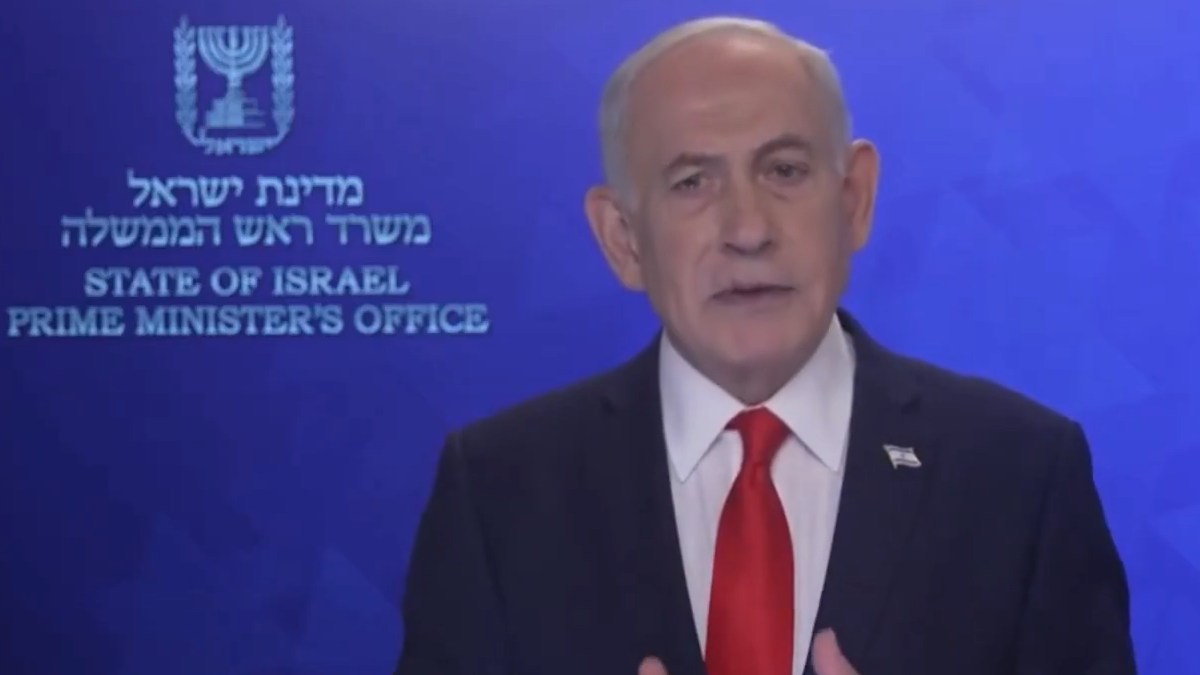
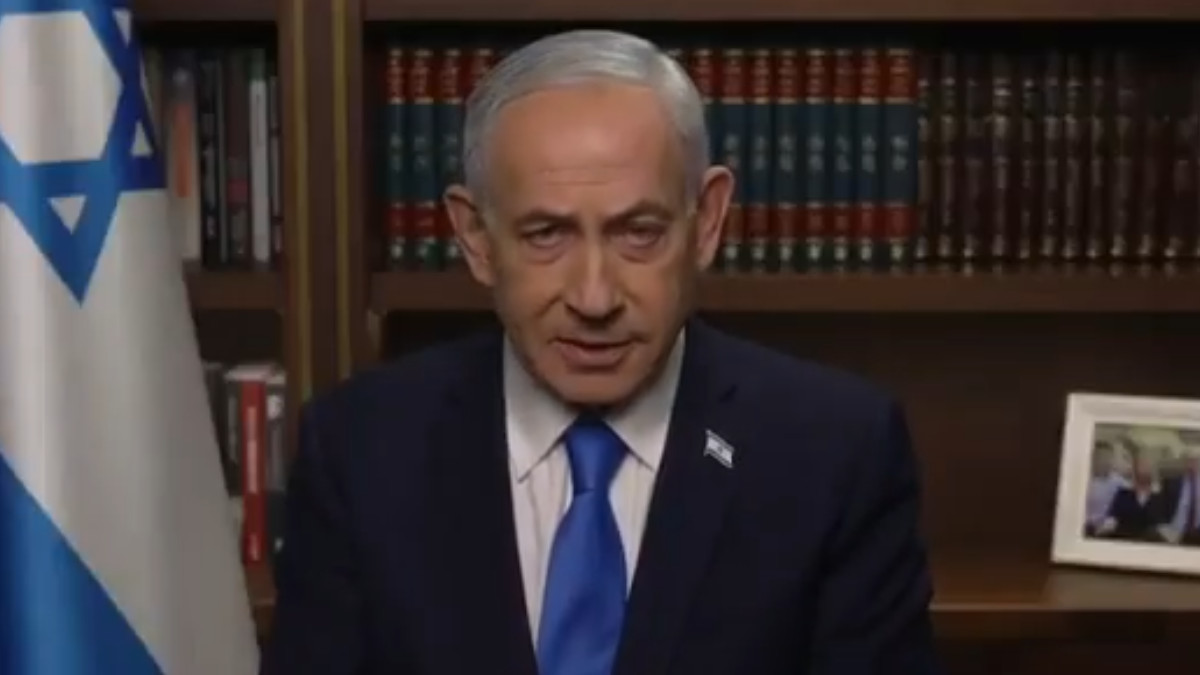
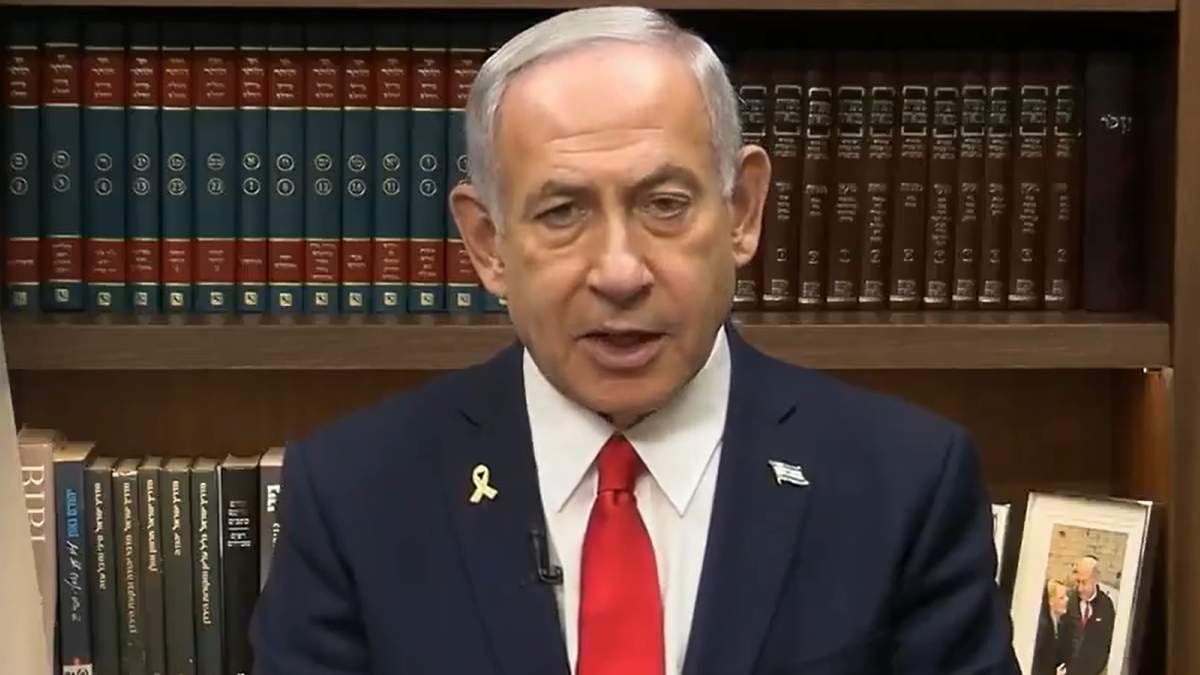
Benjamin Netanyahu has stated that the ongoing war against Iran has crossed the halfway mark in terms of achieving its objectives, but he declined to provide a clear timeline for when the conflict might end. Speaking in his first sit-down interview since the war began, Netanyahu emphasized that progress is being measured by “missions accomplished” rather than the passage of time.
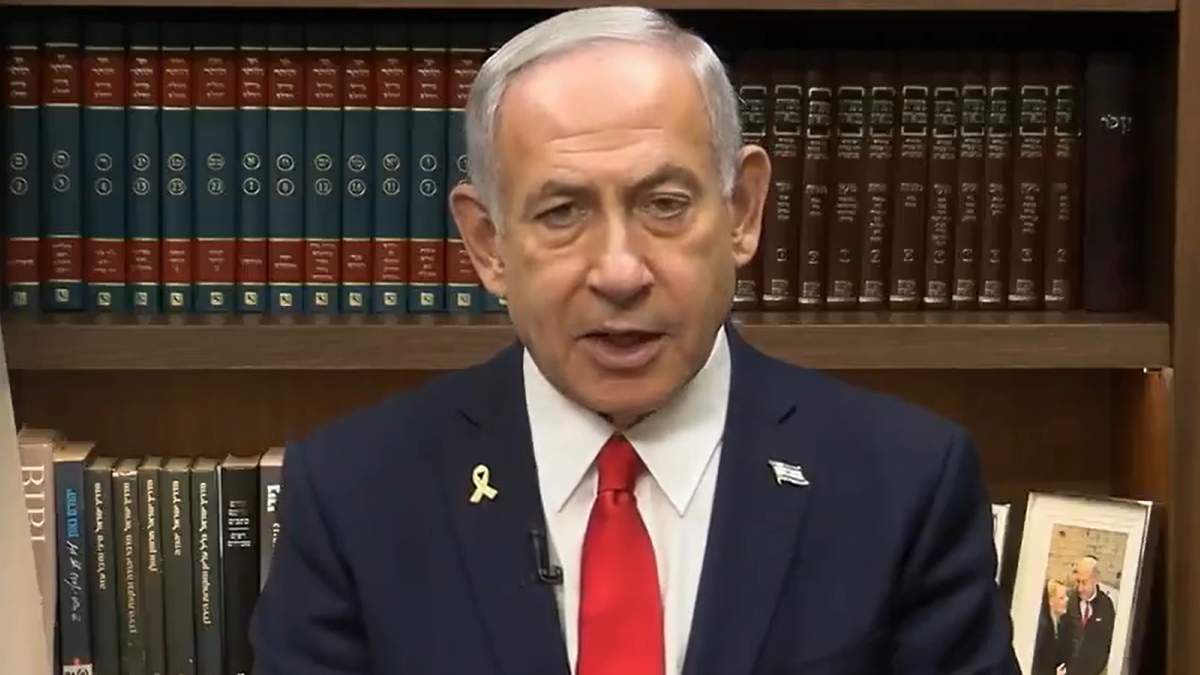
In the interview with Newsmax on March 30, Netanyahu said, “It’s definitely beyond the halfway point. But I don’t want to put a schedule on it,” highlighting a strategic shift away from deadline-driven assessments. His comments come as speculation and misinformation, including rumors about his death, continue to circulate, prompting him to directly address the situation.
The war, jointly launched by Donald Trump and Netanyahu on February 28, has now entered its 32nd day. Initially, Trump had suggested that the operation would conclude within four to six weeks. However, as the conflict drags on, expectations appear to be shifting.
Marco Rubio offered a more cautious outlook, stating that the war is likely to continue for “weeks” rather than months. His remarks reflect growing uncertainty around the conflict’s duration, especially amid rising global concerns, including increasing oil prices and mounting public opposition.
Netanyahu outlined what he described as significant achievements so far. According to him, Israeli and US forces have inflicted heavy losses on Iran’s military infrastructure, claiming that “thousands” of members of the Revolutionary Guard have been killed. He further asserted that the offensive is nearing the point of dismantling Iran’s arms industry, including critical manufacturing plants and elements of its nuclear program.
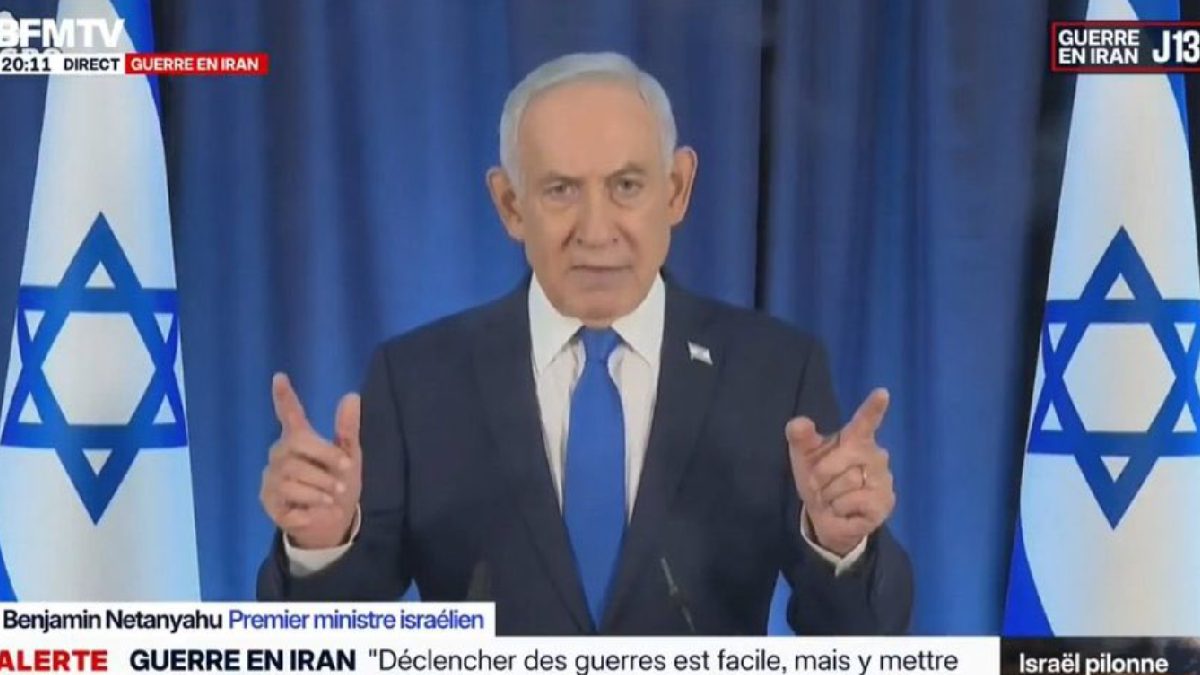
“We’re wiping out entire plants, targeting their industrial base and weakening their nuclear capabilities,” Netanyahu said. However, these claims remain contested. The United Nations’ nuclear watchdog has not supported assertions that Iran was on the verge of acquiring a nuclear weapon, a key justification repeatedly cited by both Netanyahu and Trump.
The Israeli leader also addressed the possibility of regime change in Iran. While he suggested that the Islamic Republic could eventually “collapse internally,” he clarified that the current military campaign is focused on degrading Iran’s military strength, missile systems, and nuclear infrastructure rather than directly pursuing political overthrow.
As the conflict continues with no clear end in sight, the distinction between mission-based progress and a fixed timeline underscores the complexity of the war. While leaders highlight tactical gains, broader geopolitical and humanitarian concerns continue to grow, leaving the ultimate outcome uncertain.