Trump has announced that Israeli Prime Minister Benjamin Netanyahu will visit the United States next week. The high-stakes diplomatic effort is coming as American forces carry out relentless surgical strikes on Iranian targets in Iran, as the peace talks are collapsing and a 14-day ceasefire between Washington and Tehran is quickly fading.
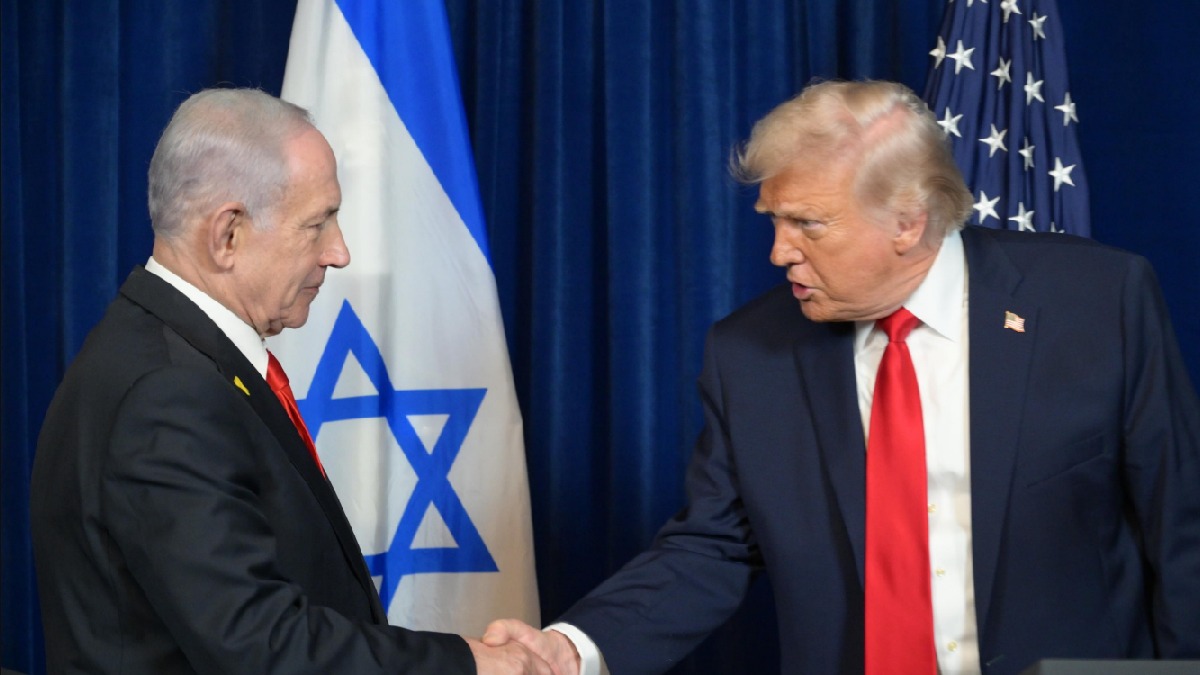
Trump announced it at the annual White House Correspondents' Association Dinner Friday. The trip comes after a recent phone call in which Netanyahu recognized the U.S. president on the 250th anniversary of the founding of the United States, and both leaders stressed the close relationship between their countries.
But this summit is in the midst of renewed multi-front battles in the region. The US-Iran conflict has erupted since a fragile ceasefire, which had been set up earlier this month as part of a Memorandum of Understanding (MoU) between Washington and Tehran, fell apart. Israel had long been against the ceasefire and continued military campaigns in Lebanon that were always undermining wider diplomatic efforts to lower regional temperatures.
The Trump administration is still trying to broker separate negotiations between Israel and Lebanon to permanently end the war, but at the moment it is not with Hezbollah. Both sides had already made a deal in March that Israeli control of southern Lebanon would eventually be handed over to the Lebanese military. But so far there has been virtually no movement on real progress. Trump didn’t provide a time frame to withdraw Israeli forces from occupied southern land in the meeting with Lebanese President Joseph Aoun last week.
The diplomatic friction has been accompanied by a massive military escalation. Central Command in the U.S. military has said it has carried out consecutive nights of heavy strikes in the strategic locations of the region. Tehran continues to attack American military assets across the region. A deadly Iranian strike on the American military base in Jordan killed three American soldiers last week. And the Pentagon has dramatically expanded its military presence in Israel— which analysts say is a sign of an extended and much more extensive regional war.
In addition to these mounting crises, Netanyahu’s visit to Washington will also take place at the same time Israel is continuing its intensive military campaign in Gaza. Despite a U.S.-backed ceasefire agreement in October, Israeli forces have continued to issue widespread evacuation orders and conduct numerous, lethal strikes across the enclave.
As Washington and Tehran trade blows and regional supply lines are under increasing pressure, next week’s meeting between Trump and Netanyahu will outline the next stage of Allied strategy in the Middle East.