A search and rescue operation is currently in operation in northern Pakistan after an avalanche struck Broad Peak, one of the world’s most formidable mountains. There are 10 climbers who are missing (famous mountaineer Nirmal Purja is missing) and the situation is raising global concern.
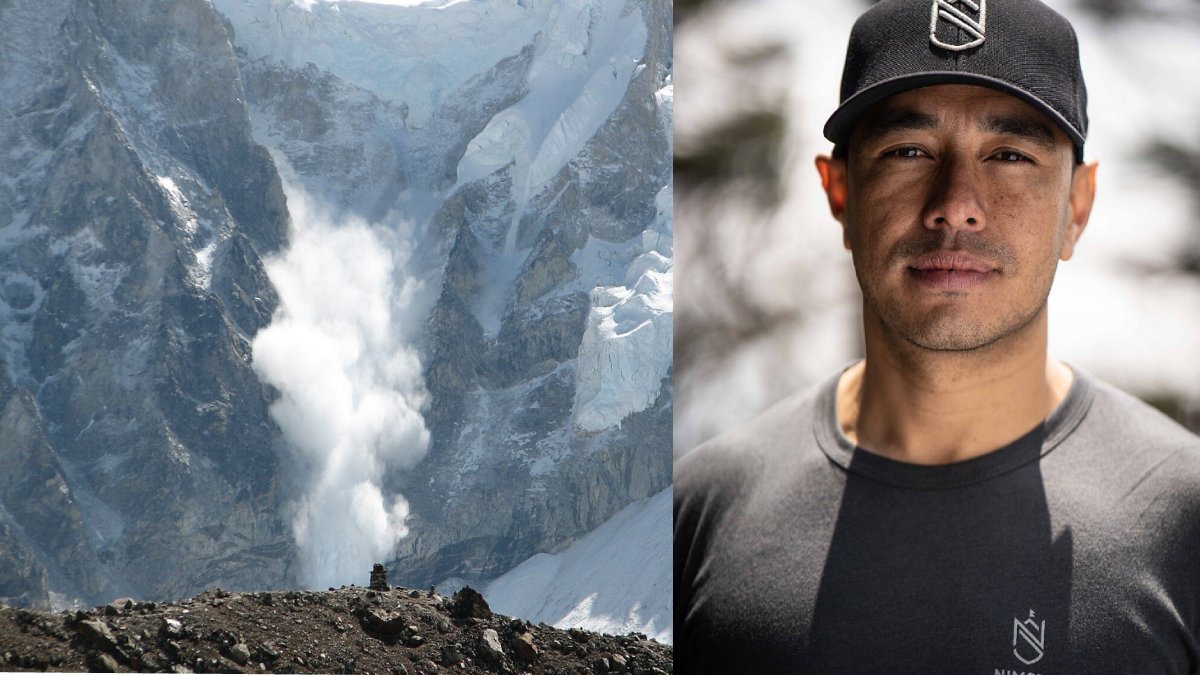
The mountain search and rescue teams are working and struggling against the heavy snowfall, the cold, and strong winds in the high elevation areas, which are making it very difficult for them to reach the stranded climbers.
The avalanche occurred on an expedition to Broad Peak, which is 8,051 meters (26,414 feet) high and part of the Karakoram Range of Pakistan. It is one of 14 “eight-thousanders,” which are mountains above 8,000 meters that are coveted (and dangerous) for climbers. Broad Peak is also known for its unstable weather patterns, steep ice slopes, and avalanche risk, and any ascent of it is difficult for even a long-time climber.
The rescue teams in charge of the rescue efforts lost contact with some climbers almost immediately after the avalanche. Local emergency services, experienced mountaineers, and volunteers are now in place to search for the missing climbers, but the conditions are dangerous for this mission.
At high elevations, rescue missions are highly dangerous and very time-sensitive, the officials involved in the operation said. They said that as time passes, the chances of survival will decrease rapidly. As temperatures drop and oxygen levels decrease, there will be more avalanches, and this is even worse for the missing climbers and for the rescuers.
The “space for hope is narrow,” the rescue operation officials say, in stark language. But the search teams have not stopped their search, diving into the area looking for life or survivors, and there is a sense of urgency and determination in them.
Who is Nirmal Purja?
Nirmal Purja, also known as Nims Purja, is one of the world's most famous high-altitude mountaineers. A former member of the British Army’s Gurkhas and the UK Special Boat Service (SBS), Purja became famous after the enormous “Project Possible” challenge, in which he conquered all 14 of the world’s mountains above 8,000 meters in less than six months and beat a record that had been standing for nearly eight years. Such a monumental achievement not only got him worldwide attention but also helped make the Netflix documentary "14 Peaks: Nothing Is Impossible" a must-watch and a testament to his journey and strength.
Purja has great technical climbing skills and has been involved in several high-altitude rescue missions, thus establishing his skills as a very dedicated and talented climber. Besides his record-breaking climbs, he has inspired mountaineers all over the world to be more selfless in action and help other climbers in the process.
Broad Peak: A Mountain of Beauty and Danger
Close to K2, the second highest mountain in the world, Broad Peak is one of the most difficult peaks in the Karakoram region. Although it is sometimes perceived as less difficult than K2, climbers are at high risk on Broad Peak due to avalanches, hidden crevasses, severe storms, and altitude-related illnesses.
With Broad Peak, you have unstable snowfields, steep ice sections, and weather that can turn from benign to lethal in a moment. Even the most experienced expedition teams face some tough terrain and the unpredictability of high-altitude climbing.
In Pakistan’s Karakoram Range at the end of the year, the vast majority of climbers come every year, and so many international mountaineers visit the Karakoram Range, especially during the summer when it gets very active and good conditions are more favorable for mountaineering in Pakistan, but unpredictable weather is still one of the most dangerous parts of that area, which is not only a hazard that many climbers have to deal with but also complicates their ascent.
Rescue Operations Face Enormous Challenges
High-altitude rescue missions above 8,000 meters are among the most complex and dangerous operations in mountaineering. Helicopter access to such a mission is often limited by altitude, weather, visibility, and strong winds, and rescue teams often have to work on foot and navigate dangerous and hazardous terrain.
Special rescue teams have been working together as well as in close cooperation with weather conditions that can help or hinder search operations. The authorities are also working hard to gain information from expedition teams, satellite communications, and other climbers with information to make sure that they can find each of the missing people.
Experts say avalanches can bury climbers under deep snow within seconds, and the need for immediate rescue is as clear as any. At such high elevations, the combination of brutal cold and low oxygen levels significantly decreases survival time for the people trapped under snow.
The Global Mountaineering Community Watches Closely
A shock to the mountaineering community is now coming as Purja is missing. Many mountaineering professionals, expedition managers, and adventurous people are worried about him. Many hope for a successful rescue, but the risks of mountaineering in the Himalayan and Karakoram areas are too great.
Purja is noted not just for his record-breaking climbs but also for advocating for mountaineering in Nepal. He has always been so passionate about the recognition and appreciation of the Sherpa and the high-altitude support teams, and his efforts are not widely acknowledged.
Awaiting Further Updates
As rescue efforts move forward, officials have advised the public to rely on official information and not to speculate until there is more official information. Because the identities and nationalities of all the missing climbers have not yet been confirmed by officials, members of the mountaineering community are on edge.
In this incident that may be the best-case scenario, one has to consider the risks of high-altitude mountaineering even for experienced climbers. Modern technologies, weather forecasts, and rescue technology have made expedition safety much safer, but it’s still an uncertain and very tricky environment for this sort of mountaineering.
As the world’s climbing community anxiously awaits further updates, they cling to hope as rescuers continue their relentless efforts on Broad Peak, trying to find a positive outcome despite the daunting challenges of one of the world’s most dangerous mountain landscapes. The resilience and determination of climbers and the rescuers is a testament to the strength of human nature against nature’s power.