A powerful Nor'easter storm has hit the northeast U.S. coast, bringing torrential rain, strong winds, dangerous coastal conditions and widespread flooding across New York, New Jersey, Connecticut, Massachusetts and other parts of the Northeast and Mid-Atlantic.
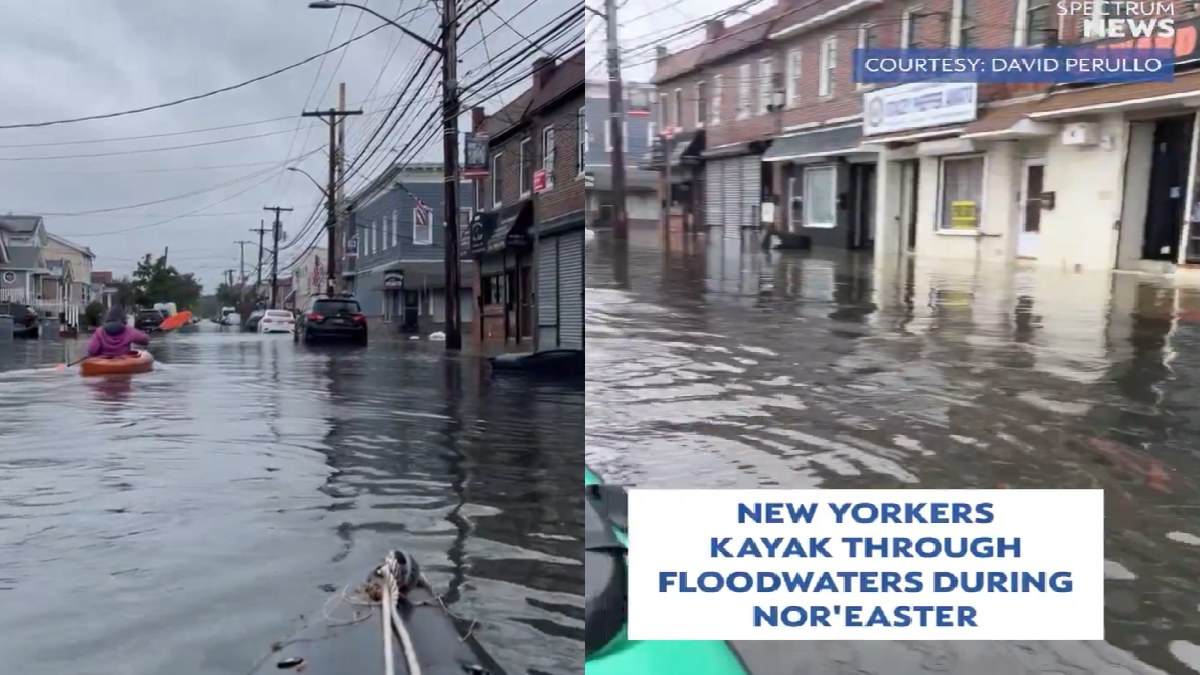
Tens of thousands of homes and businesses were without electricity Monday because of strong winds and flooding, and transportation systems were among the nation’s Northeast and Mid-Atlantic coast's most widespread hardships because of the storm.
The severe weather intensified in the northeast on Saturday, September 26, and coastal areas had heavy rainfall and strong winds. Water soaked up in the low-lying areas of New York and New Jersey. Strong winds demolished trees and power poles on Long Island and damaged a few homes. Streets in Howard Beach were inundated with floodwater in Queens, leaving residents and drivers stranded.
Heavy rain, strong winds and dangerous waves could continue to affect regions of New England as the storm system moved through the region. Although meteorological agencies said the storm was weakening, experts warned that coastal communities faced an increasing risk of flooding from more high tides.
The storm’s impact on the power grid has been huge. PowerOutage.us reported that more than 100,000 customers were without power in the Northeast and Mid-Atlantic on Sunday, September 27. Power outages were found in coastal counties from New Jersey to Connecticut. More than 40,000 customers were without power in New York, with more than 31,000 customers in Connecticut. New Jersey reported more than 21,000 customers without electricity, and more than 11,000 customers were affected in Massachusetts.
The widespread outages were attributed to the combination of strong winds, falling trees and damage to electricity infrastructure. Utility crews in several states were working to restore electricity, but difficult weather conditions and flooded areas complicated the restoration process.
The storm was also severely affecting travel on the East Coast of the United States. At Boston Logan International Airport, more than 250 flights were cancelled on Sunday morning, the Massachusetts Port Authority said. Wind speeds at the airport ran as high as 40 miles/hour (about 64 kilometres/hour), leading to significant flight delays.
The storm has also raised concerns for coastal residents due to rainfall, high tides and storm-driven waves. Heavy rainfall and high tides have made coastal flooding more dangerous because heavy precipitation coincides with high tides, overwhelming drainage systems and allowing seawater to pour into roads and low-lying neighbourhoods.
But the Northeast also has revived memories of massive storms that were once devastating along the East Coast. Residents and officials are comparing the damage to the region by Hurricane Sandy in 2012. Sandy brought widespread flooding, widespread power outages and extensive damage to much of the eastern U.S., with losses estimated to be $60 billion.
But the current storm is a different weather system, and comparisons with Sandy do not mean that the two events will produce the same level of destruction. The immediate concern is coastal flooding, additional rainfall, strong winds, power failures and transportation disruptions.
Emergency officials have also stressed that staying away from flooded roads and avoiding fallen electrical lines and damaged trees is vital to those living in areas impacted by the flooding. Drivers were warned that even relatively shallow floodwater can lead to dangerous situations and conceal dangers below the surface.
As the Northeaster slows down, communities in the northeast are beginning to assess the damage while utility workers and emergency workers continue to respond. Reliable electricity, clearing fallen trees and reopening roads and transport routes are likely to be the primary priorities. With more tidal flooding likely, authorities are monitoring vulnerable coastal areas.
The storm is just another reminder of the problems faced by a very densely populated coastal community when heavy rainfall, strong winds and high tides hit simultaneously. The system could weaken, but residents in the affected areas of the northeast will still be on high alert for further flooding and weather-related disruptions as the storm moves away.