North Korea is again in the global spotlight as reports indicate that Kim Jong Un has picked his teenage daughter Kim Ju Ae, who will step in his steps as heir. At only 13 years old, she is being formally put in a position to continue the Kim family dynasty (the fourth generation of Kim family leadership in this country). This development has been closely monitored by the South Korean National Intelligence Service (NIS), which recently verified that she has graduated from “successor training” to the “successor‑designate stage”.
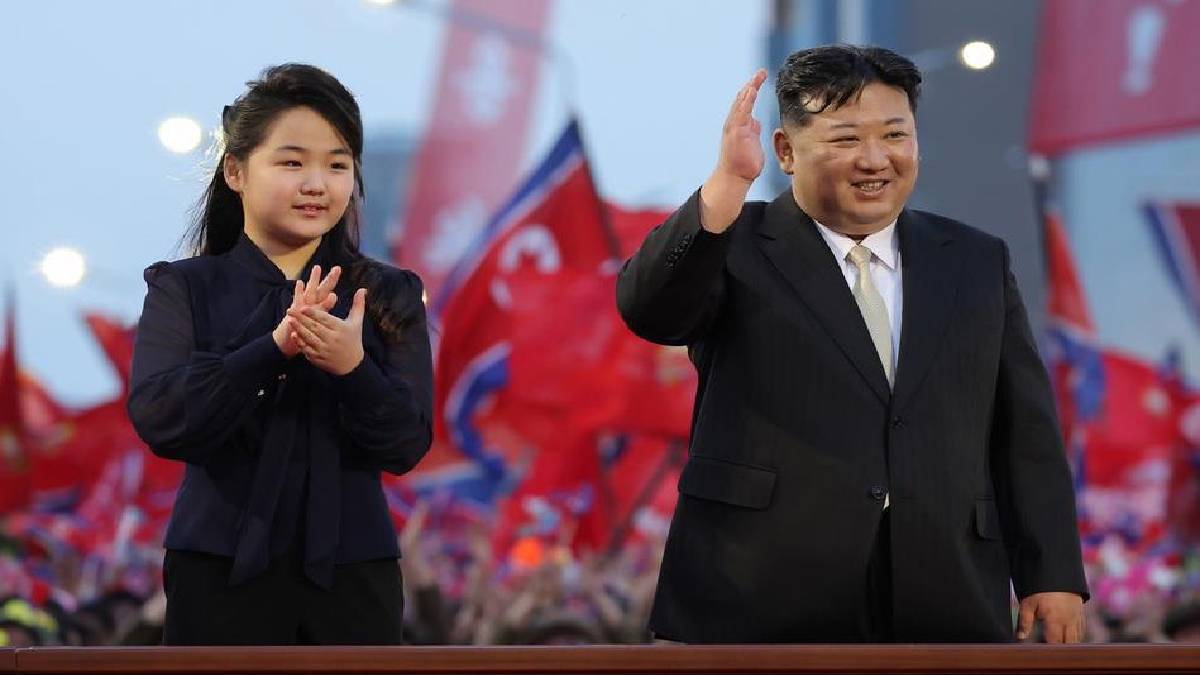
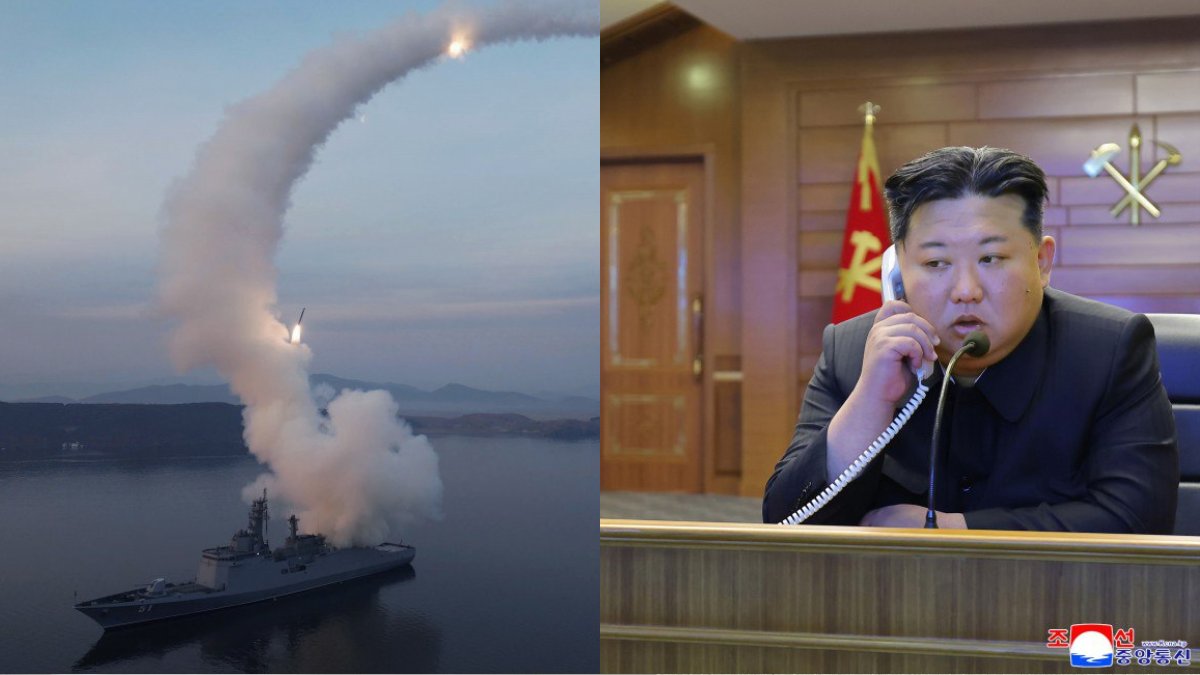
Kim Ju Ae debuted publicly in 2022 during a missile test that prompted speculation about her role in the regime. Since then, she has been accompanied at key state events, usually standing on her father’s side. She travelled to Kumsusan Palace of the Sun with her parents in January 2026, where the embalmed bodies of Kim Il Sung and Kim Jong Il reside. Analysts have said this was a symbolism, a way of positioning her as the heir to the legacies of her grandfather and father.
The Kim dynasty has ruled North Korea since its establishment in 1948. In choosing to install his daughter as the new leader, Kim Jong Un is consolidating power for the family as a whole. Though she is young, the fact that Ju Ae has made appearances at military parades, political ceremonies and cultural events demonstrates her increasing importance. Intelligence officials say her increasing visibility is a calculated strategy to prime the country for her eventual takeover.
The 13-year-old successor, observers say, prompts questions about stability and governance. Those critics claim that her age is unsuitable for leadership, while supporters of her regime contend that it’s a means to guarantee continuity. The move has attracted attention internationally to the dynastic politics of North Korea, which still looks unprecedented in the modern world. South Korea’s intelligence agency has cautioned that this succession plan could deepen Kim Jong Un’s grip on power while signaling long-term continuity of North Korea’s nuclear and military policies.
The decision to install Kim Ju Ae as North Korea’s next leader is both historic and controversial. It demonstrates Kim Jong Un’s determination to preserve his family’s legacy and keep dynastic rule in place. Seoul has not formally announced its position, but there are high stakes in intelligence assessments indicating that Ju Ae is now the heir apparent. This development has implications for the world, a reminder of the lasting power of the Kim dynasty and the threats it poses to regional and global stability.