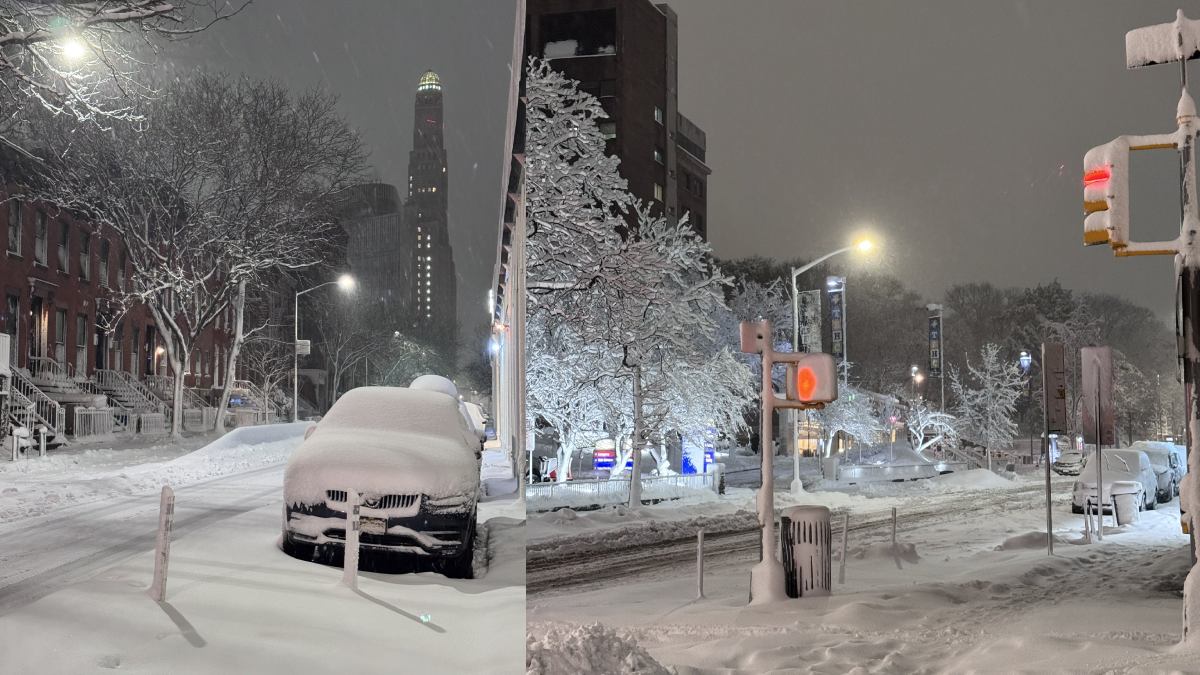
The Northeastern United States began its long struggle to ‘dig out’ on Tuesday, February 24, 2026, when authorities began rolling back the travel bans after a historic blizzard crippled the I-95 corridor. The storm, meteorologists branded a “superbomb,” because it intensified so rapidly, snowed more than two feet in the five states, broke all-time records in Rhode Island and left nearly 700,000 people without power at its height.
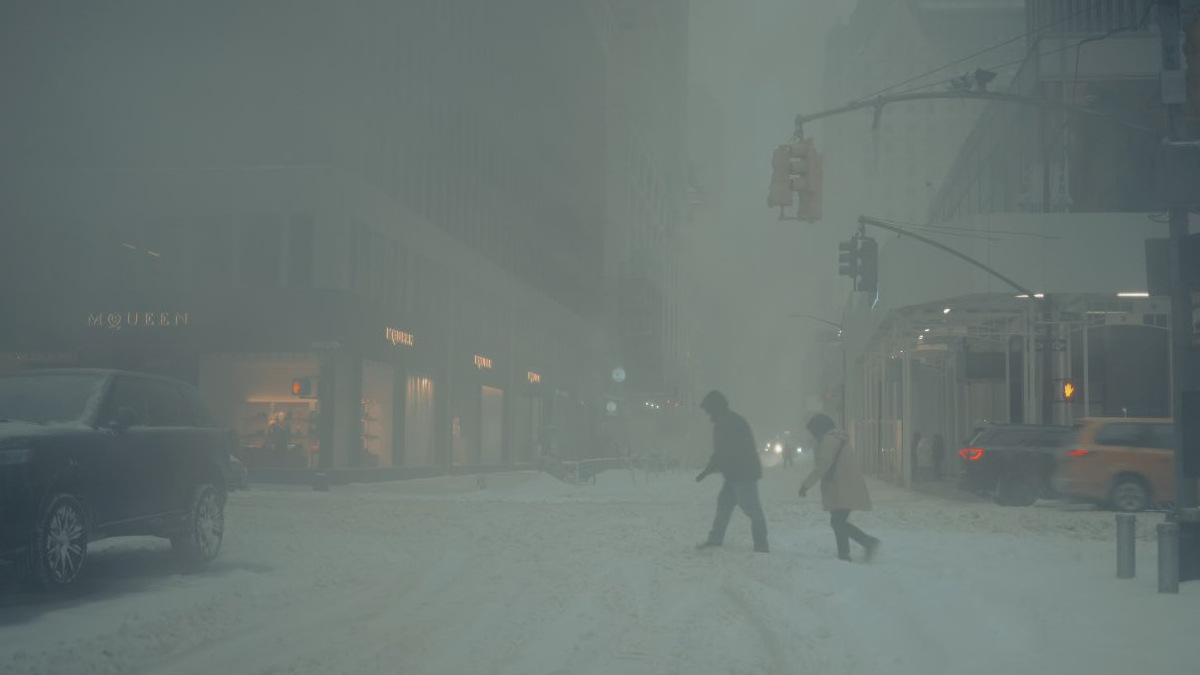
Breaking Records and Burying Cities
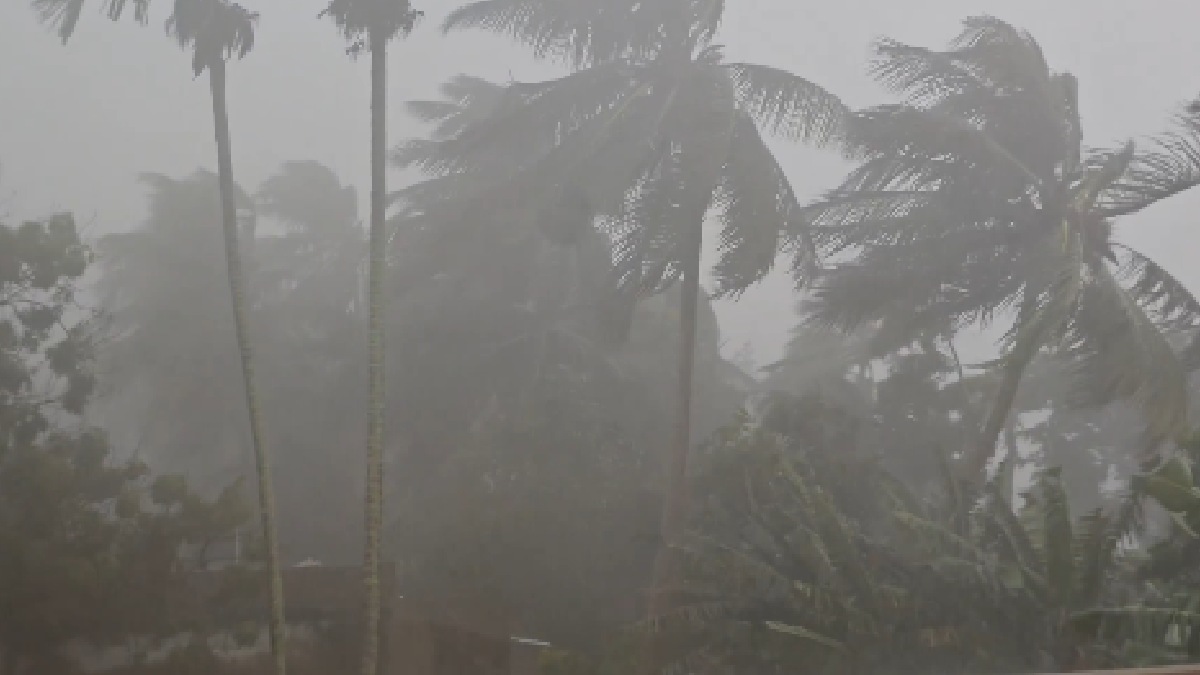
Winter Storm Hernando often known by locals as the Blizzard of 2026 battered the region. Providence, Rhode Island, became the epicenter of the snow, bringing the deepest ever 32.9 inches, surpassing its previous record set in 1978. In the neighboring Warwick area, totals surpassed 3 feet and portions of Long Island and New Jersey experienced totals of 29 inches and 27 inches, respectively. Central Park in New York City took another 19.1 inches, making it the snowiest in nearly a decade in the city. It was an intense storm, helped by hurricane-force wind gusts that hit 83 mph in Nantucket, producing whiteout conditions with travel “nearly impossible” for more than 40 million residents from Maryland to Maine.
Lifting the Lockdown
As the storm system headed toward Atlantic Canada Tuesday morning, governors across the region started to roll back the emergency measures that had effectively grounded the Northeast.
- New York City: Mayor Zohran Mamdani lifted the citywide travel ban at noon Monday, but a hazardous travel advisory continues. Public schools, which had a “classic snow day” and no remote learning on Monday, are expected to open to in-person classes on Tuesday.
- New Jersey: Gov. Mikie Sherrill relaxed the statewide travel ban on Monday afternoon, prompting residents to remain cautious as they travel, noting “mountains of snow” continuing to block visibility at intersections.
- Connecticut & Massachusetts: Gov. Ned Lamont said the “worst part of the storm” for Connecticut has passed, while Massachusetts Gov. Maura Healey began relaxing restrictions in the hardest hit coastal counties of Bristol and Plymouth.
Though road bans have eased, the aviation sector is still reeling. Between Sunday and Monday, more than 8,000 flights were canceled. Big cities such as JFK, LaGuardia and Newark have difficulty fully resuming operations as they clear runways and reposition planes.
The Long Recovery Ahead
Today all attention has moved to the restoration of utilities and safety for the public. The heavy wet snow, which meteorologists warned was especially hazardous for shovelers, now brings down thousands of trees and power utilities. Utility crews, armed with more than 100 National Guard members on the ground in New York alone, are doing everything possible to restore power to the hundreds of thousands of people left in darkness.
Although the “superbomb” has blown out, the cleanup will take days. With snowbanks topping six feet in some neighborhoods, officials are paying volunteer shovelers up to $45 an hour to clear key pedestrian paths. And for the Northeast, the immediate threat has come to an end, but "Winter Storm Hernando" is overwhelming enough to make life not return to normal until the weekend.