A tragic railway accident near London has left one person dead and several others injured after two passenger trains collided, leading to a major emergency response and fresh concerns about rail safety in the United Kingdom. The accident occurred during busy travel hours, causing significant disruption to rail services and leaving passengers shaken as emergency crews rushed to the scene.
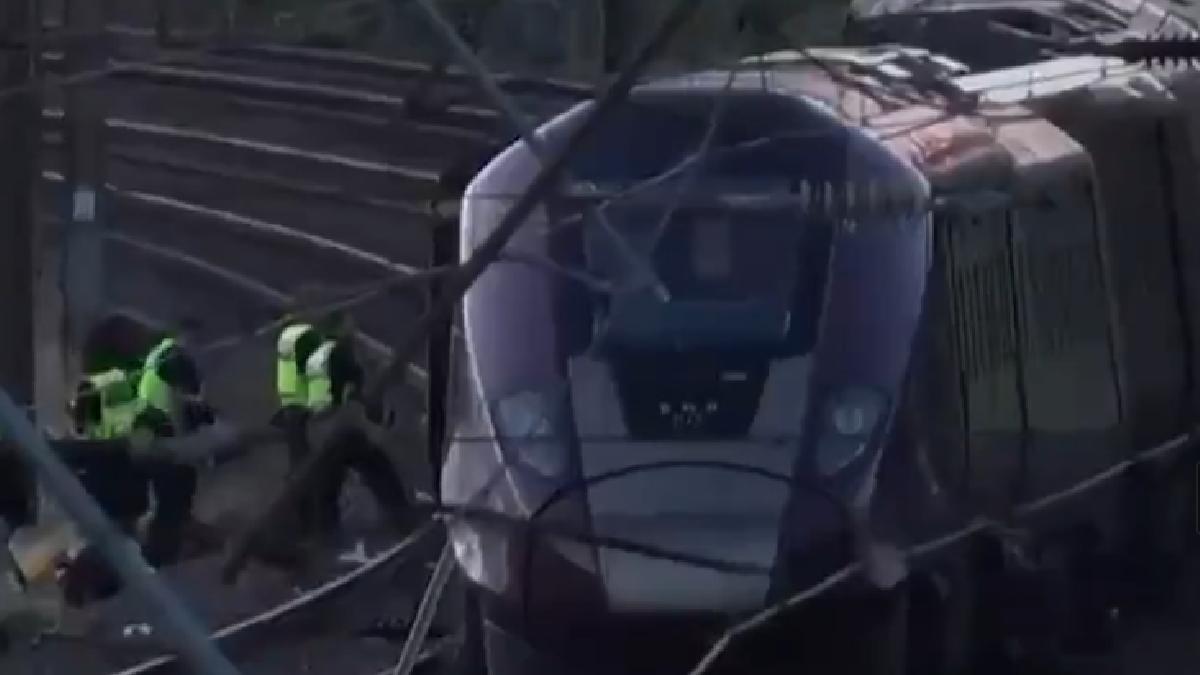
According to initial information, the collision involved two passenger trains on a regional route that is close to the British capital. Witnesses described hearing a loud impact before the trains stopped abruptly. Passengers of the train reported chaos and panic as they tried to find out what had happened and help those who had been injured. Emergency alarms were immediately activated, and train staff rushed to organise evacuation procedures while rescue teams arrived quickly.
One person died in the accident, local authorities said. Many other passengers suffered minor cuts and bruises, but some were hospitalised. Ambulances, firefighters, police officers, and specialist railway emergency teams were on the scene within minutes. Medical staff immediately gave patients treatment and took them to nearby hospitals for further care.
The collision disrupted rail services in and around London and the entire network of rail connections in some parts of the city as investigators searched for answers. Thousands of commuters had to cancel trains and were forced to find other ways to travel as train services were shut down while investigators were looking into the accident. “There will be service updates in the future to be checked before travelling, and disruptions to travel may continue while recovery operations are underway,” officials said.
Investigators are still not aware of the cause of the collision, however, and have not yet identified what caused the collision. Investigators from the railway safety regulator, transport authorities, and law enforcement agencies have launched an investigation into the sequence of events that led to the crash. Early investigations are working on examining train operating systems, signalling systems, communication systems, and eyewitness accounts. The trains involved are being inspected for any possible mechanical problems that could have contributed to the incident.

Government officials expressed sympathy to the family of the deceased and wished for a quick recovery to those injured. The safety of the passengers is the most important concern, and we are cooperating very closely with the investigation, the transport leaders told us. Railway operators have also promised to help affected passengers and staff members who have been impacted by the traumatic event.
Rail accidents in the United Kingdom are relatively rare due to strict safety standards and advanced monitoring systems. But incidents such as this are a reminder of the importance of continuous investment in rail infrastructure, maintenance, and operational oversight. Safety advocates have called for a thorough review of the circumstances surrounding the collision to ensure that lessons are learned and future accidents can be prevented.
Recovery work continues, and investigators have to continue to collect evidence; the focus then will be on supporting victims and determining what went wrong. The railway community and the public are anxiously waiting for answers in the coming days regarding one of the worst rail incidents to happen near London in decades.