Pakistan and Afghanistan are once again at the centre of growing regional tensions after Pakistan launched a series of airstrikes in two Afghan provinces late Thursday night. The Taliban-led administration said nine civilian women and children were killed and at least 11 others were injured in attacks that began in Afghanistan's two provinces on the weekend and intensified as the neighbours have been at war for years over border security and militant activities.
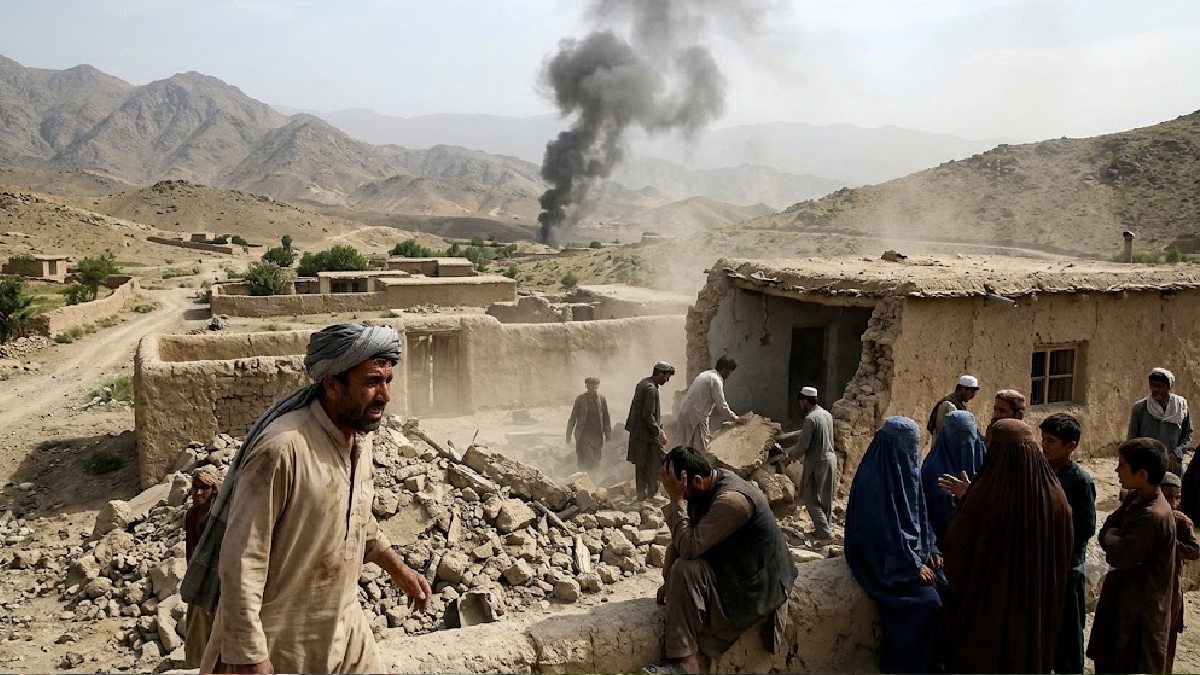
Hearing this, the Afghan government strongly condemned the strikes as a violation of its sovereignty. Taliban officials claimed that the victims were civilians and accused Pakistan of attacking inside Afghan territory without any reason. Emergency teams were deployed to the affected areas and rescue efforts and damage assessments were going on after the bombardment had started.
Pakistan, though, defended the operation, saying it targeted militant hideouts used by armed groups that carry out terror attacks against Pakistani security forces. Pakistan's Information Ministry said the strikes were carried out on terrorist infrastructure along the border and 22 militants were killed in the operation. The casualties reported by both sides have not been independently verified.
The recent attack comes at a time of rising cross-border violence between the two countries. More than 1,100 civilians have been killed or injured this year due to cross-border attacks, shelling and other forms of violence relating to the ongoing conflict, UNAMA said.
The conflict is over Pakistan’s long-standing assertion that Afghanistan provides safe havens for militants from the Tehrik-e-Taliban Pakistan (TTP), a group responsible for numerous attacks inside Pakistan in recent years. Islamabad has frequently called on the Taliban government to act against this group, saying that TTP terrorists operate from Afghan territory. The Taliban administration has denied these claims, insisting that it will never permit any group to use Afghan soil to attack neighbours.
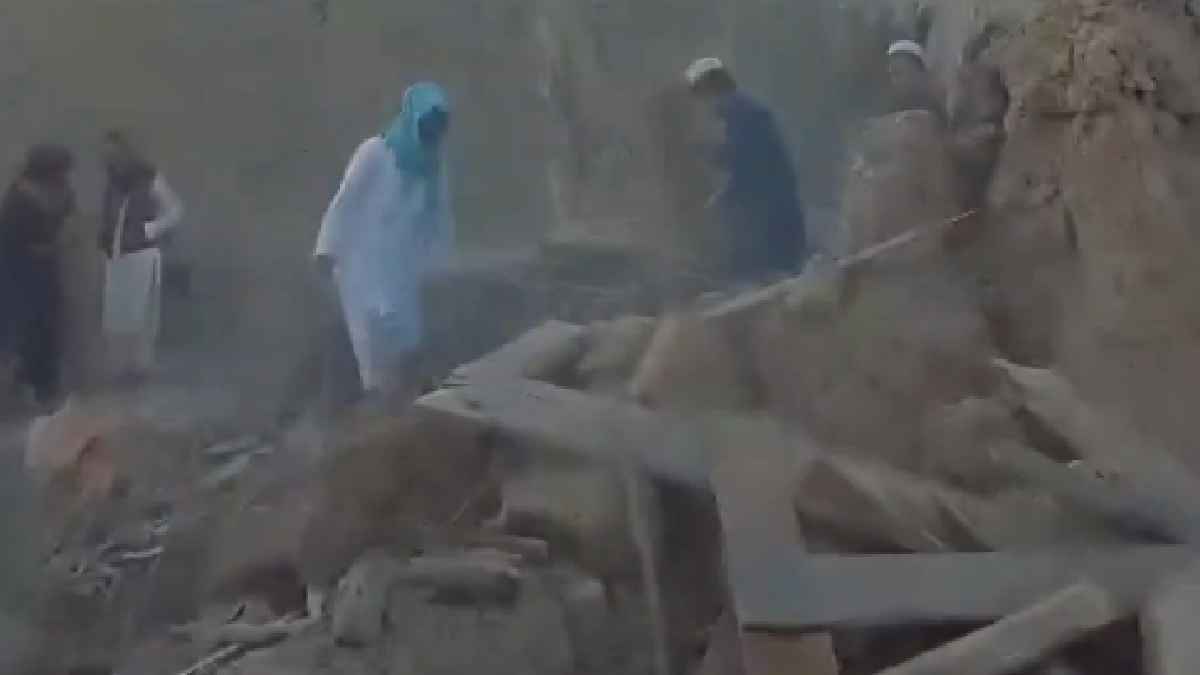
Another major source of tension is the Durand Line, a 2,640-kilometre border drawn during British colonial rule. Pakistan claims the border as the international border, but Afghan governments have refused to formally accept it. The conflict is particularly sensitive for Pakistan's Pashtun ethnic community, whose traditional tribal land was divided by the border.
Pakistan and the Taliban have seen relations deteriorate significantly since the Taliban took power in Kabul in 2021. Initially viewed as a strategic partner by Islamabad, the Taliban administration has increasingly pursued an independent foreign policy while Pakistan has grown frustrated with Kabul’s failure to stop anti-Pakistan militant groups. The recent border clashes, drone attacks and retaliatory strikes have only increased the distrust between the two sides.
The recent strikes underscore the precarious security situation along the Afghanistan-Pakistan border. Both governments are accusing each other, and the violence is growing, regional observers say, and war between them will only further destabilise an already combustible landscape if diplomatic efforts fail to contain the tension.