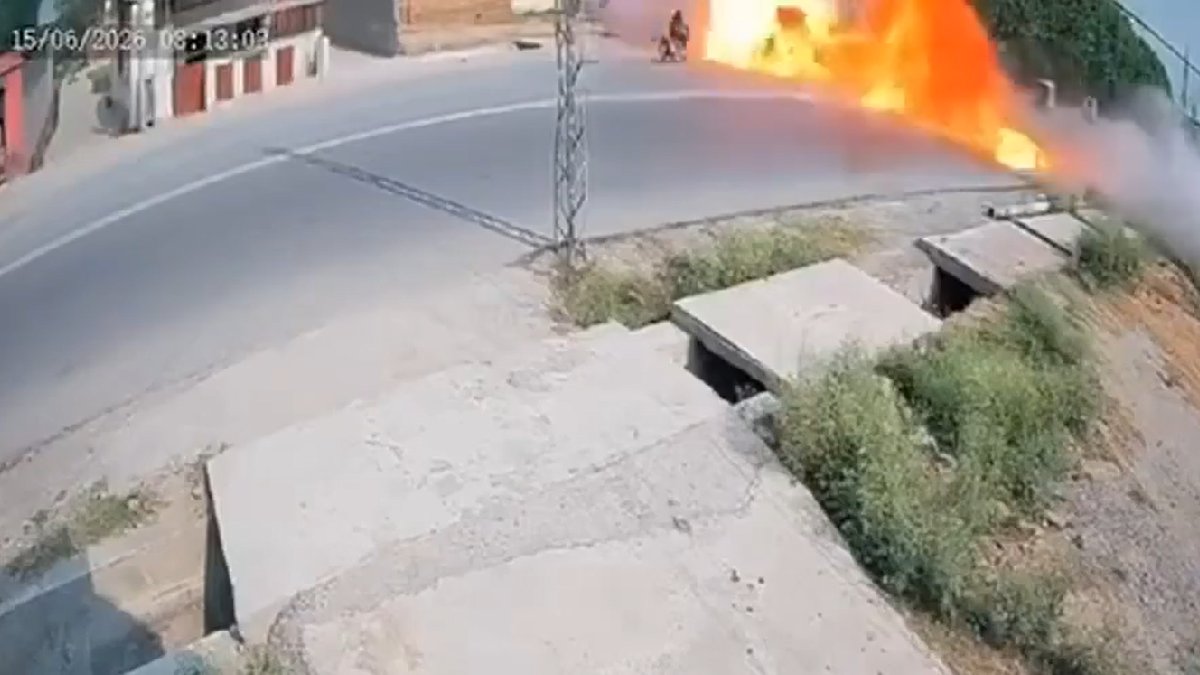
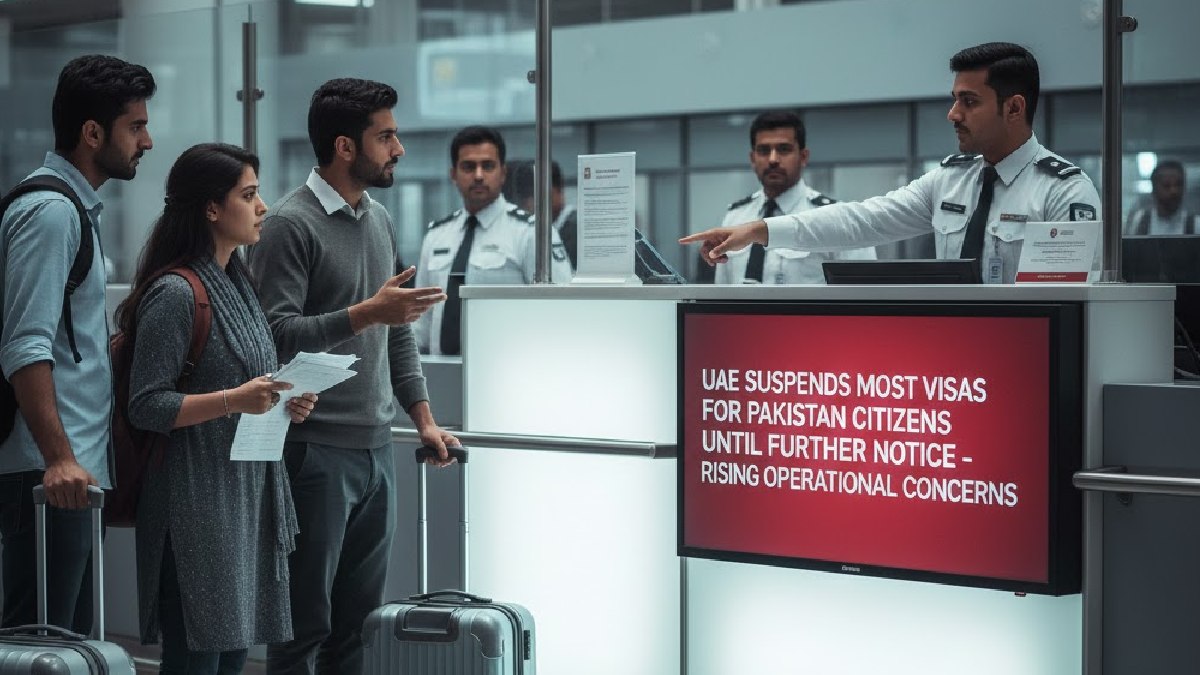
Tensions between Pakistan and Afghanistan have been reignited with new Pakistani air strikes hitting multiple locations in Afghanistan, killing 13 people and injuring 14 others. Ten children, one woman and one elderly man have been killed as a result of the latest attack by Pakistan’s Taliban-backed government, but officials in Afghanistan voiced fears about civilian casualties in the bloodiest war between them.
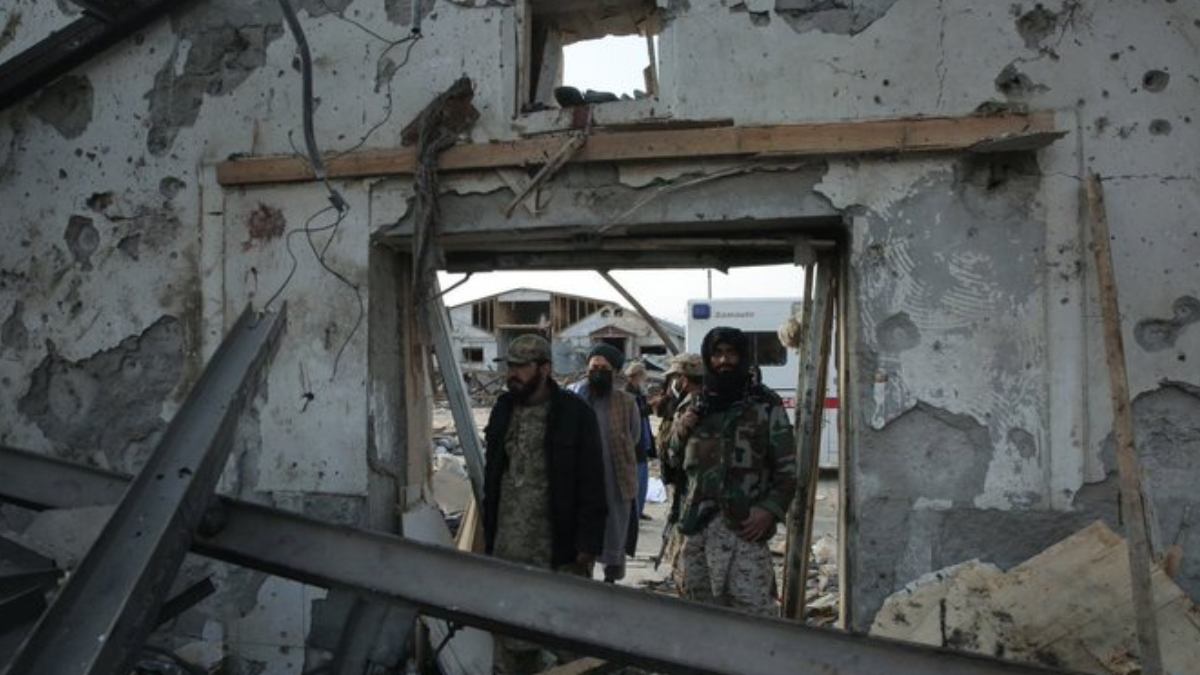
The air strikes are believed to have targeted the eastern Afghan provinces of Khost, Kunar and Paktika. Taliban leaders accused Pakistan of violating Afghanistan’s sovereignty and said the strikes are a direct assault on civilian populations. Afghan authorities said residential areas were targeted in the sweep.
Pakistan has not yet issued an official statement that acknowledged the strikes yesterday. But Islamabad has repeatedly accused Afghanistan of providing safe havens for militants, particularly members of the Tehrik-e-Taliban Pakistan (TTP) group, responsible for many of the militants who are believed to have been behind many deadly attacks on Pakistan. The Afghan Taliban has rejected those accusations and has said that Afghan territory is not a launching pad for attacks that are not directed at neighbouring countries.
The missile strikes come after months of worsening relations between the two countries. Since February 2026, fighting between the two countries, retaliatory attacks and military operations have multiplied with hundreds of casualties. If diplomatic efforts do not work hard to ease tensions, the violence could spread up to the region’s heart if no diplomatic solution is reached.
Taliban officials strongly condemned the attack and said Afghanistan reserves the right to respond. Previous Pakistani air operations inside Afghanistan have also received strong criticism, with Kabul calling them a violation of international law and national sovereignty. Afghan authorities have called on the world community to pressure Pakistan to cease cross-border military operations.
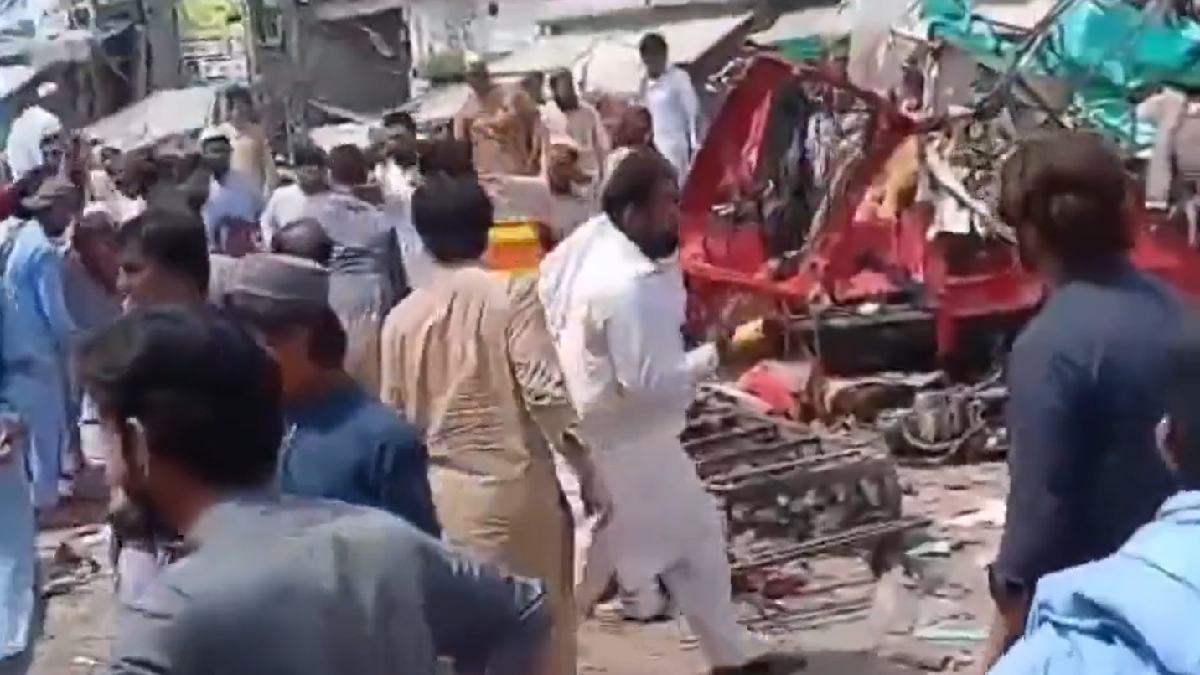
Humanitarian organisations and international observers have criticised the record number of civilian casualties from the fighting and the growing number of civilian casualties from the conflict.
The deaths of children in the latest strikes have led to calls for a level of restraint and increased diplomatic engagement between Islamabad and Kabul to be tempered with calls for restraint on both sides of this conflict and an intensified diplomatic activity. But analysts say a continued high level of military escalation in the region could damage an already unstable and very weakly-managed region and compound the humanitarian situation of civilians living near the border.
The Pakistan-Afghanistan border has been a border-crossing point of friction for decades as militants operate on both sides of the border, and security forces are divided and the people of Pakistan and Afghanistan are divided and have been battling each other for control of the border.
The latest bombings are under investigation by the global community, and the situation between the two neighbours has become more tense.