Pakistan is experiencing an unprecedented fuel price crisis as the effects of the Iran conflict continue to choke regional energy supply.
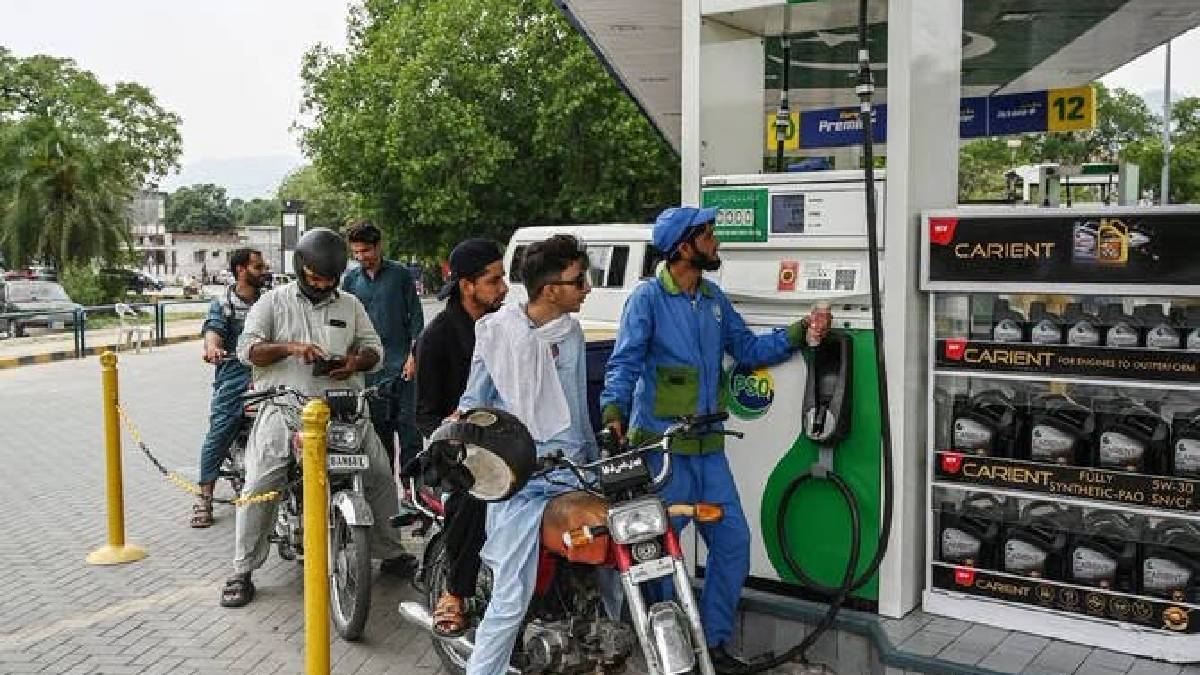
In some areas of Pakistan, petrol prices have been going up to almost PKR 315 per litre while diesel has gone up to PKR 360 per litre, putting immense pressure on households, businesses and transport operators.
The rapid rise in fuel prices comes amid growing geopolitical tensions in the Middle East, which is the heartland of worldwide oil production and exports. Any disruption to shipping routes or crude oil supplies has an immediate effect on international oil markets and Pakistan, which imports the vast majority of its petroleum products, will be the first affected.
Pakistan is already dealing with high inflation, a weakening currency and economic problems. The fuel price surge will only compound the cost-of-living crisis and will put additional pressure on transportation and make essential goods more expensive. And rising fuel prices can cause a chain reaction that will affect everyone in the economy: the economy, industrial production and public transport fares.
The government has been under pressure to control inflation while also meeting international financial institutions’ demands. But with the prices of crude oil still fluctuating around the world, central governments have little room for subsidies without creating a new debt burden on the nation’s finances.
The Iran conflict has also raised questions about the security of key oil transit routes in the Persian Gulf. A long-term loss of the Strait of Hormuz, which is the main pipeline over which most of the world's oil comes, would cause prices of crude oil to rise.
As long as there is tension, we can expect countries dependent on imported fuel to see more price hikes in the coming weeks.
The effect is already visible to ordinary Pakistanis in the real world. Transport operators want fare changes, businesses are being paid more and consumers are being hit hard by rising costs of transport. Agricultural activities may also get more expensive because diesel prices are up and food production and supply chains.
Global energy markets are still very sensitive to geopolitical swings. Even supply disruptions can push oil prices up and traders have been on edge about Iran and the uncertainty about Iran still in play. Energy experts say the situation will be largely dependent on diplomatic developments and whether shipping routes are in place.
Meanwhile, neighbors are constantly watching. India is importing a lot of its crude oil, but it has been diversifying its energy sources in recent years and it will be hit hard by global oil prices coming back up again. All governments of South Asia should be on the lookout for international developments and they will be monitoring the effect on domestic fuel prices and inflation.
If the regional conflict continues or escalates, fuel prices could remain elevated and fuel prices may increase further, putting pressure on the region’s economy as a whole.
For Pakistan already under pressure from financial hardships the current fuel crisis highlights the threat of global energy market disruptions and geopolitical turbulence in Pakistan and the fact that it is vulnerable to global energy market disruption and geopolitical unrest as well.