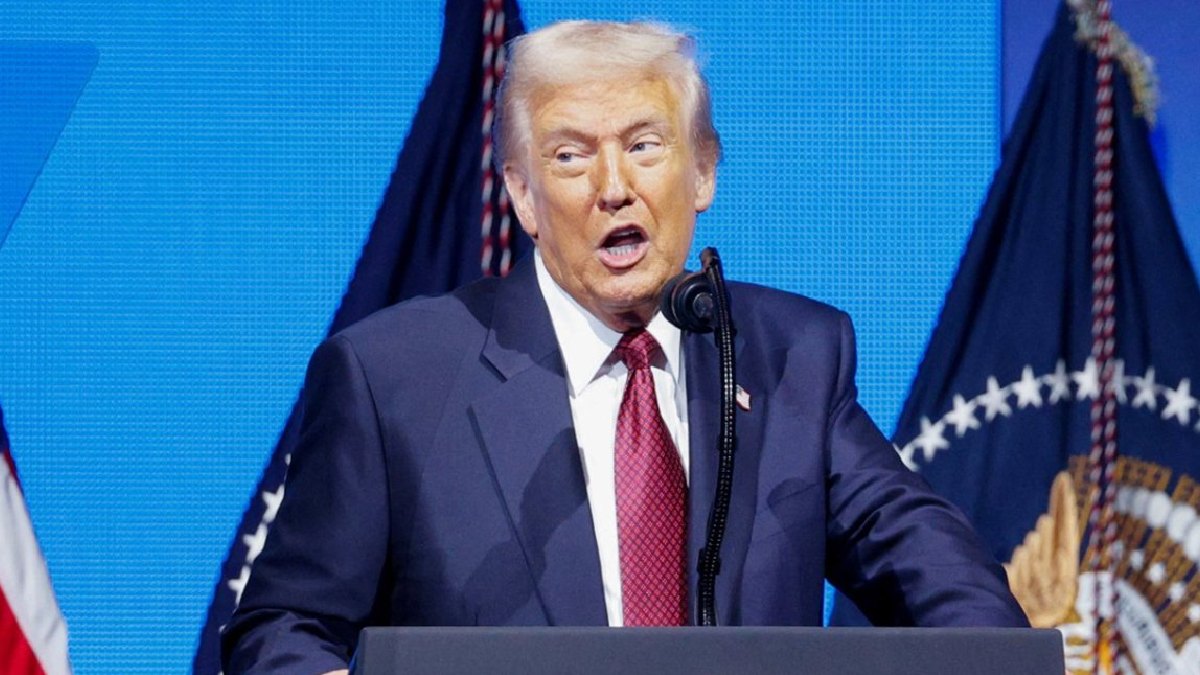
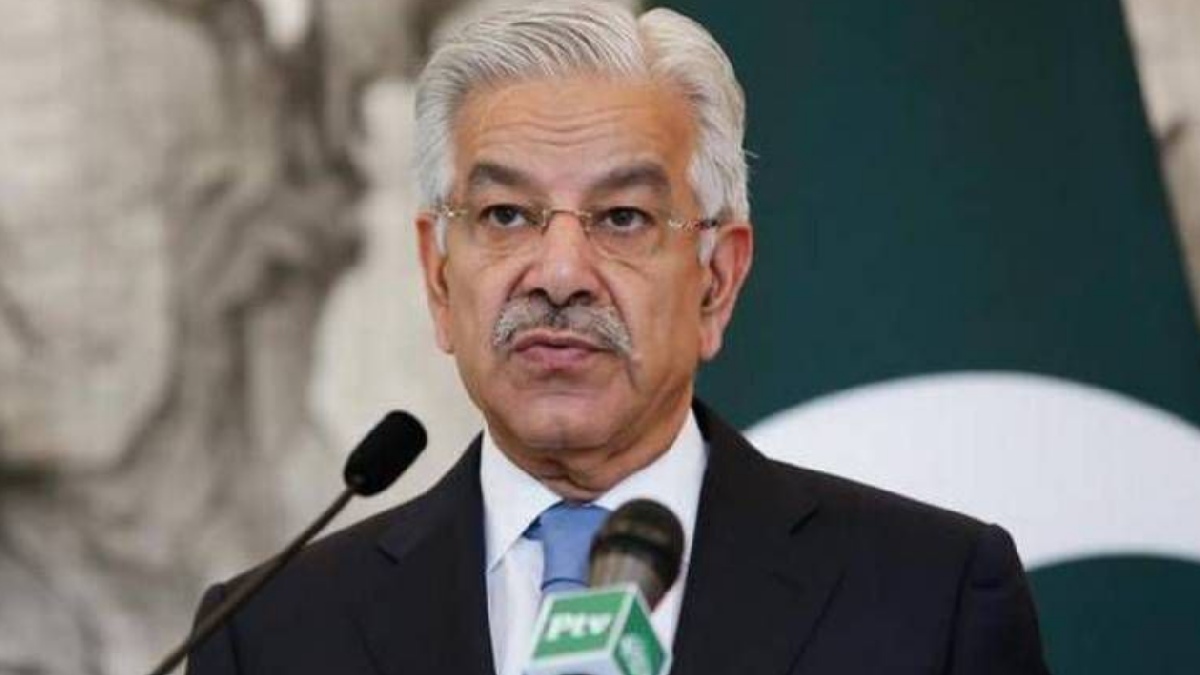
Pakistan President Asif Ali Zardari, addressing a joint session of Parliament on Monday, March 2, 2026, told the people that India is actively preparing for another war. Amid loud protests and slogans from the opposition, Zardari urged New Delhi to de-escalate and return to "meaningful negotiations."
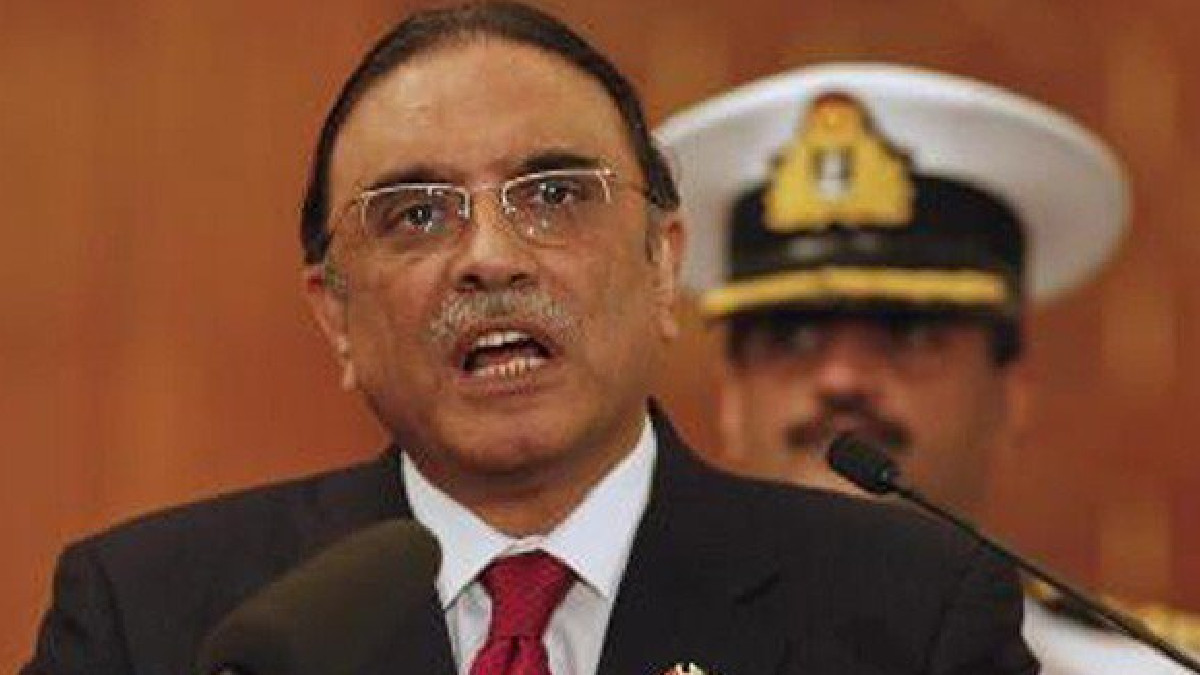
The President’s remarks come in the context of the subcontinent still reeling from the military stand-off of May 2025, stemming from the Pahalgam terror attack and India’s follow-up strikes as part of Operation Sindoor. “India’s leaders say they’re preparing for another war. As a lifelong supporter of regional peace, I would not recommend it,” Zardari told lawmakers. “My message to India is to move away from the war theaters to the negotiation table, as this is the only path for regional security.”
The "NOTAM" Trigger
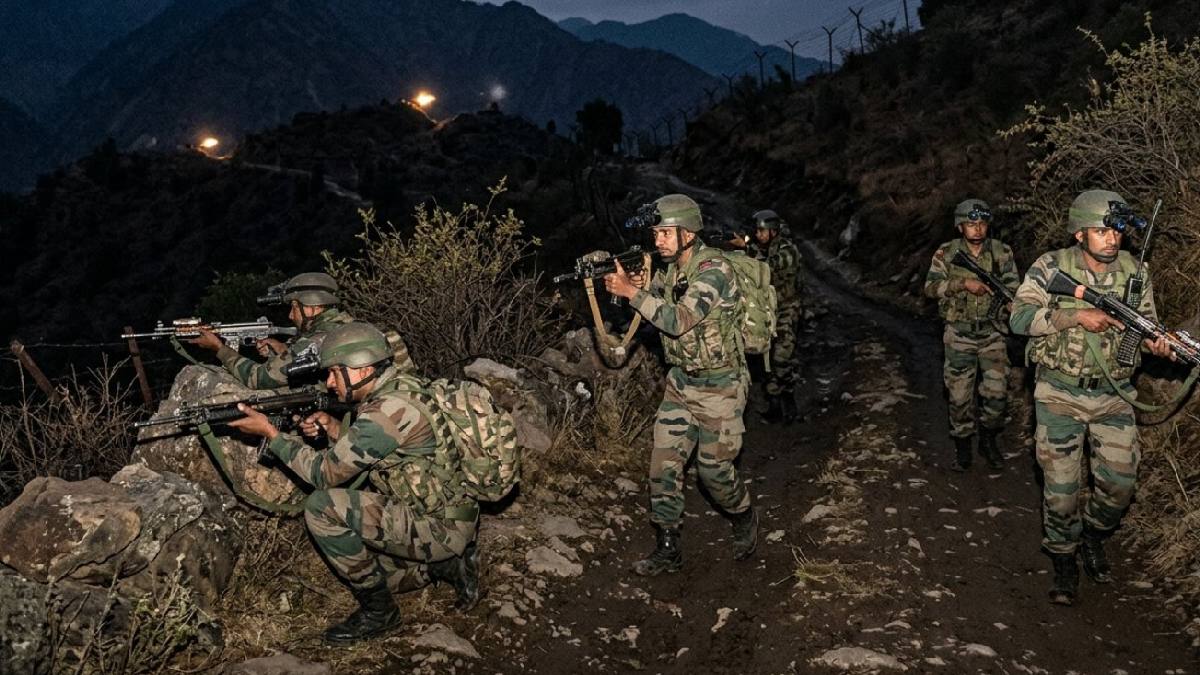
While Zardari’s speech was general, defense analysts have highlighted a specific recent event that triggered fears in Islamabad. Recently the Indian Air Force issued a Notice to Airmen (NOTAM) to reserve airspace near the Rajasthan and Sindh borders for a major military drill. Meanwhile, New Delhi insists those are routine exercises, while Zardari defined the process as part of a “war-like environment.” In response, Pakistan has reportedly moved more of its air and ground forces to its southern border which they said will monitor the approaching Indian manoeuvring.
Charges of “Hydro-Terrorism"
In addition to military maneuvers, Zardari used a withering commentary on recent diplomatic and environmental strategies taken by India:
- Indus Waters Treaty: The President declared India’s decision to place the treaty in abeyance "plain and simple hydro-terrorism."
- Kashmir Outlook: He reaffirmed that a sustainable peace is still not a possibility until the Kashmir issue is rectified in line with that people’s hopes.
Regional Fires: Afghanistan and Iran
The speech also drew attention to Pakistan’s worsening security condition on its western front. Zardari alleged that the Afghan Taliban contravened the Doha Agreement providing sanctuary to TTP and BLA. He defended Pakistan’s recent airstrikes in Kabul as a necessary check on “serial attacks on its soil.” Moreover, Zardari expressed his condolences to Ayatollah Ali Khamenei, the Iranian Supreme Leader who died recently, and criticized military actions against Iran, and reaffirmed backing of its sovereignty in the face of the recent Middle East situation.
Opposition Ruckus
The address couldn’t have been more contentious. Pakistan Tehreek-e-Insaf (PTI) members cut the President off repeatedly shouting "Go, Zardari, go" and "Free Imran Khan," underscoring the extreme divide within Pakistan despite external security worries. As of Tuesday afternoon, the Indian Ministry of External Affairs has not issued a formal rebuttal, though sources suggest New Delhi views the speech as an attempt by the Pakistani leadership to externalize internal failings.