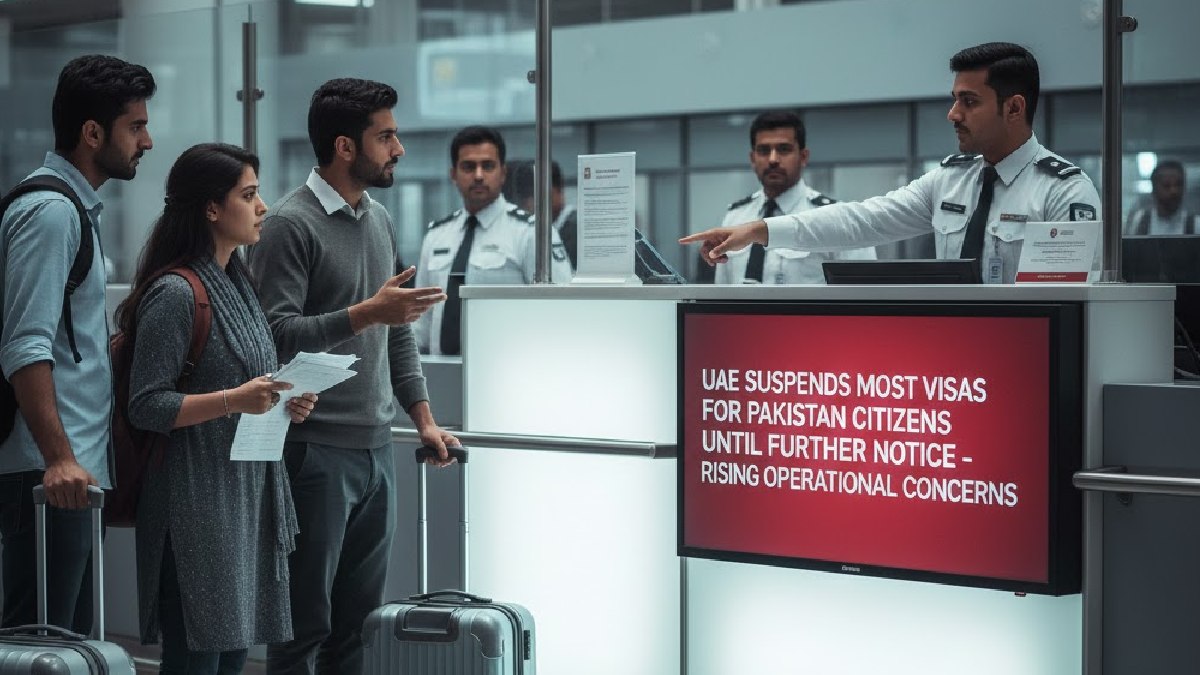
Begging in Pakistan has evolved far beyond a desperate act of poverty; it has transformed into a sophisticated, multi-billion-rupee "organized industry." While domestic streets are crowded with professional beggars, the trend has now crossed international borders, leading to severe diplomatic friction and mass deportations of Pakistani nationals from Gulf countries.

1. The Economics: A ₹42 Billion Annual Business
According to recent revelations by Pakistan’s Defence Minister, Khawaja Mohammad Asif, and reports from major outlets like Dawn, the scale of the begging economy is staggering.
- National Earnings: An estimated 22 million to 38 million professional beggars operate in the country, collectively earning approximately ₹42 billion (PKR) annually.
- Daily Income vs. Labor: In cities like Karachi and Lahore, a professional beggar can earn between ₹1,400 and ₹2,000 per day—significantly higher than the daily wage of an unskilled laborer.
- Economic Drain: Analysts suggest that this "non-productive" sector consumes a massive portion of the national economy, contributing to domestic inflation while damaging the country’s global image.
2. The "Umrah Connection": Exporting Beggars
Organized gangs have weaponized religious pilgrimages to facilitate international begging. These syndicates recruit individuals and send them to the Middle East under the guise of tourists or pilgrims (Ziarat/Umrah visas).
- Saudi Arabia’s Crackdown: The Kingdom has emerged as the strictest enforcer against this trend. Recent reports from December 2025 indicate that Saudi Arabia has deported as many as 56,000 Pakistani beggars involved in organized rackets.
- UAE and Oman: Similar crackdowns have been reported in the UAE, where Sharjah police recently arrested a Pakistani man who had collected 14,000 Dirhams (approx. ₹3.2 lakh) in just three days.
- The "90% Factor": In earlier Senate committee briefings, officials revealed that nearly 90% of all beggars arrested in foreign countries are of Pakistani origin.
3. Legal Consequences and Enforcement
Despite being illegal under the 1958 Vagrancy Ordinance—which carries a penalty of up to three years in prison—begging remains rampant due to a lack of effective enforcement and the sheer profitability of the "mafia" networks.
- The No-Fly List: To salvage its international reputation, the Pakistani government has reportedly placed over 4,300 suspected beggars on a no-fly list and suspended thousands of passports.
- FIA Intervention: The Federal Investigation Agency (FIA) has intensified checks at airports, offloading tens of thousands of passengers suspected of traveling abroad solely to seek alms.