Pakistan has been seeking a $10 billion financial lifeline from the United States with the hope that its diplomatic support in defusing tension between Iran and its neighbors can strengthen relations with Washington and provide more economic assistance.
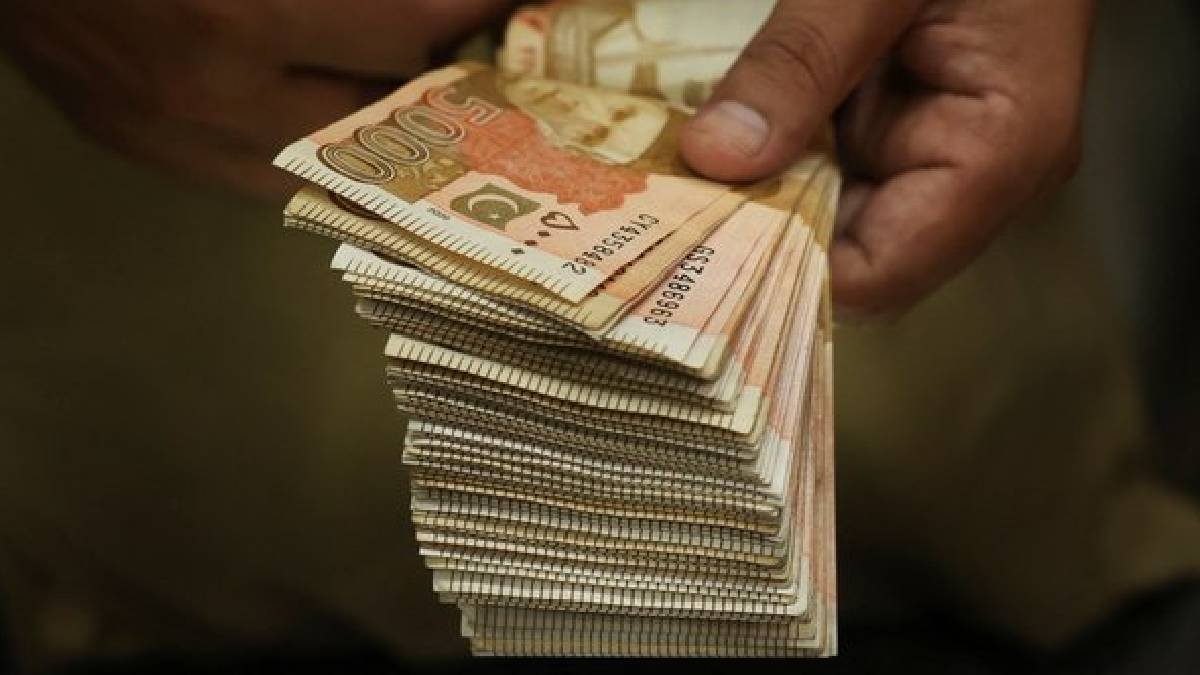
The request comes as Pakistan is suffering from its worst economic crisis in decades inflation is rising, foreign exchange reserves are low and Pakistan has huge external debt.
According to Pakistani officials, mediation efforts by the country in recent Iran-related regional tensions have made it more strategic for the country to be taken seriously. Islamabad hopes, it believes, this new geopolitical relevance will lead to better economic cooperation, not only financial assistance, investment and better access to international loans.
Over the past few years Pakistan has been under severe pressure on its economy. The high energy costs, currency depreciation, high import bills, heavy debt repayments and high debt repayments have strained public finances. Despite receiving financial assistance from the IMF and other friendly countries in the past the recovery in the country is still fragile.
The $10 billion request is viewed as an attempt to stabilize Pakistan's foreign exchange reserves, assist economic reforms and restore investor confidence.
Such funds if approved on the basis of bilateral assistance or international financial channels, could help Pakistan pay off debt, finance critical imports and strengthen macroeconomic stability.
Analysts say the United States has historically supported Pakistan during times of geopolitical importance. But large-scale financial aid will be possible only if economic reforms, governance reforms, transparency and cooperation are taken into account, and international financial institutions are involved.
Pakistan’s mediation efforts in regional tensions with Iran have attracted attention because of its geographic location and diplomatic ties with neighboring countries and global powers. Islamabad has repeatedly stated that it supports regional peace, dialogue and diplomatic solutions over military escalation.
Economists stress that while external financial aid can provide temporary relief, the long term recovery of Pakistan is dependent on structural changes.
Those are broadening the tax base, boosting exports, reducing fiscal deficits, transforming the energy sector and attracting foreign direct investment.
The development also comes at a time when there is a high degree of global economic uncertainty due to geopolitical conflicts, supply chain uncertainty, and changing energy prices. Both external pressures have been putting up challenges for emerging countries like Pakistan.
Financial experts say international investors will closely watch whether Pakistan will carry out IMF-backed reforms and maintain political stability. Sustainable growth, they argue, depends on policy decisions that are based on sound policy decisions and not on external support.
Neither Washington nor Islamabad has officially confirmed the reported request for a $10 billion US currency lifeline. But the report has stirred up a conversation about Pakistan's economic situation and how geopolitics can affect international financial assistance.
As regional diplomacy develops, Pakistan's economic future is most likely to be based on reforms of domestic structures, international partnerships and prudent fiscal management.
When the financial support will follow will be the outcome of the situation, but the move is evidence that global diplomacy is a key factor in economic stability.