A devastating 7.8-magnitude earthquake struck the southern Philippines on Monday, killing four people and hurting more than 200 others and destroying entire provinces and causing widespread destruction in the Philippines.
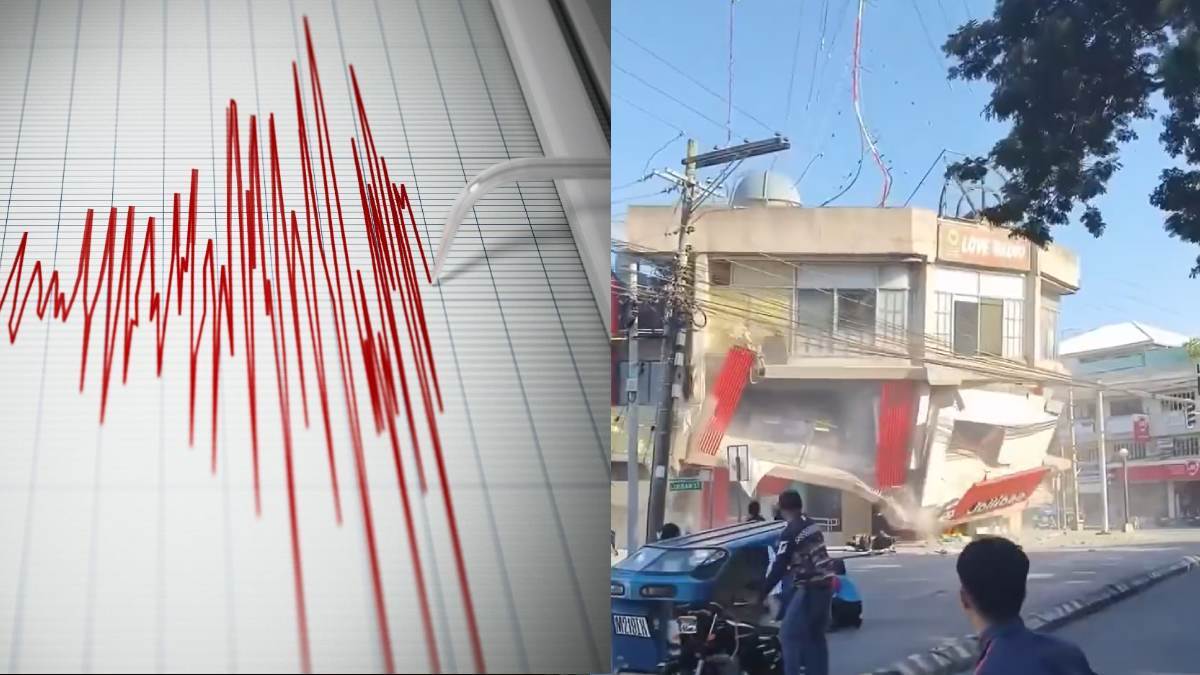
The strong offshore earthquake, one of the strongest to strike the country in recent years, triggered tsunami warnings and damaged critical infrastructure, triggering an urgent local and national response and emergency response work along the Philippines coast from coast to coast in southern areas.
The earthquake struck near Mindanao island, with the epicentre off the coast and close to General Santos City. Seismic agencies say the quake occurred at a relatively shallow depth and that the ground shaking was so strong that it was felt in a large area. There was panic that many residents felt as buildings shook, roads cracked, and power outages hit some communities.
But as of 12 p.m., at least four people died, and more than 200 others were injured, ranging from minor wounds to serious ones. Injured people were victims of falling debris, collapsing structures, and stampedes that erupted when people rushed to escape from the buildings. Emergency medical personnel were deployed to those affected areas to treat and transport injured patients to hospitals.
The earthquake caused significant damage to homes, commercial buildings, schools, and transportation. Some buildings were believed to have collapsed in and around General Santos City, and a major bridge was destroyed. Emergency services were halted at the city airport, and runway conditions were checked for structural safety, the airport said. Power loss was reported across many areas, affecting communication links and important services.
After the earthquake came through, tsunami warnings were issued for parts of the Philippines and neighbouring countries, such as Indonesia and Malaysia. Residents of coastal areas in the Philippines and nearby countries were warned to move to higher ground as waves of up to one meter in height were reported along some Philippine coastlines, but the tsunami threat was lowered after monitoring and the threat of tsunami had been downgraded. But officials warned residents to be alert to the possibility of unusual sea-level fluctuations and strong currents.
President Ferdinand Marcos Jr. ordered government agencies to immediately mobilise disaster response and relief efforts. Classes were suspended in several of the affected areas, including those schools that had already opened. Search and rescue teams, police personnel, and disaster management teams were sent to assess damage, assist communities and maintain public safety.
The Philippines is located on the Pacific Ring of Fire, so it is prone to earthquakes and volcanoes. So there are many earthquakes in the Philippines, and while earthquakes of this magnitude are rare, they can cause significant damage. Experts say aftershocks will be around for a few days, and there are already strong tremors recorded in the area following the main earthquake.
As rescue and recovery efforts are ongoing, authorities want to know the full extent of the damage and are still assessing how many people have been injured and the number of casualties. The earthquake has once again highlighted the Philippines' vulnerability to strong natural disasters and the need for preparedness in a seismically active country, with hundreds of casualties, damage to infrastructure and disrupted communities since the earthquake was reported.