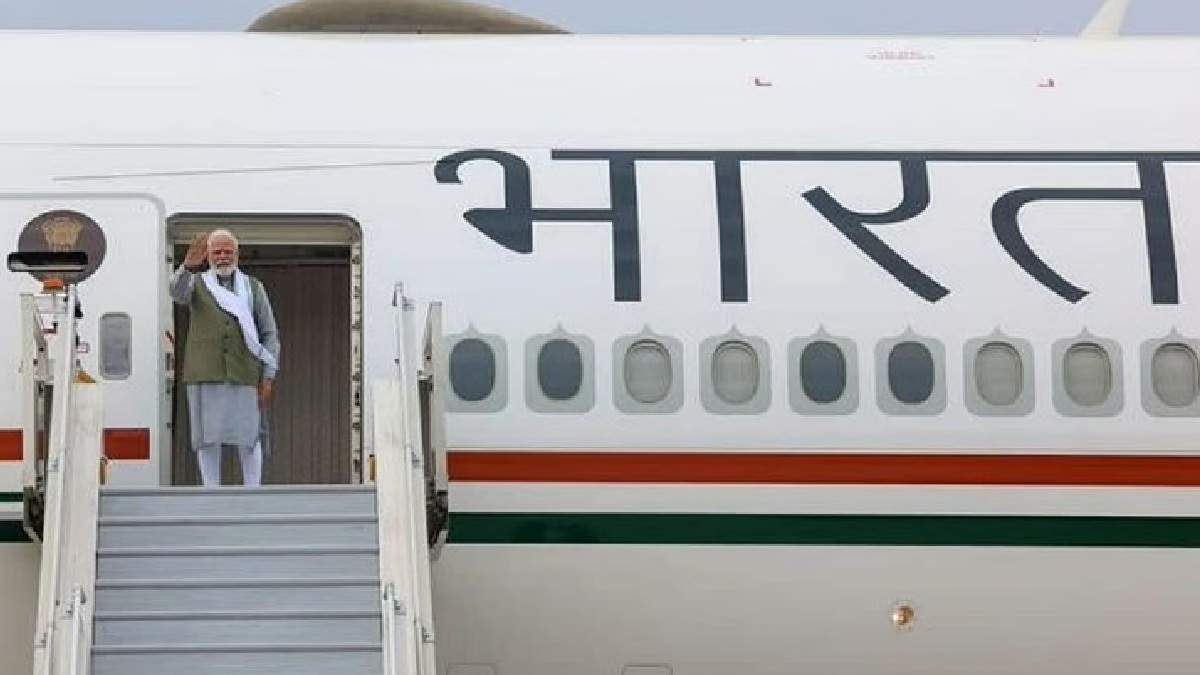
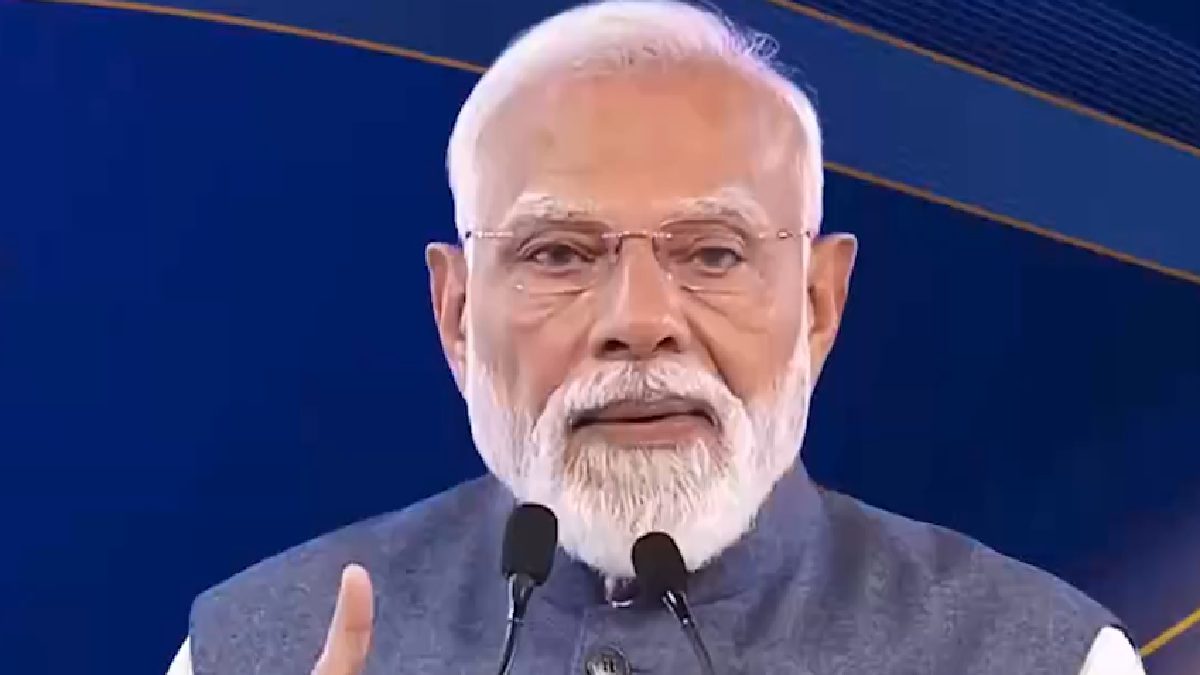
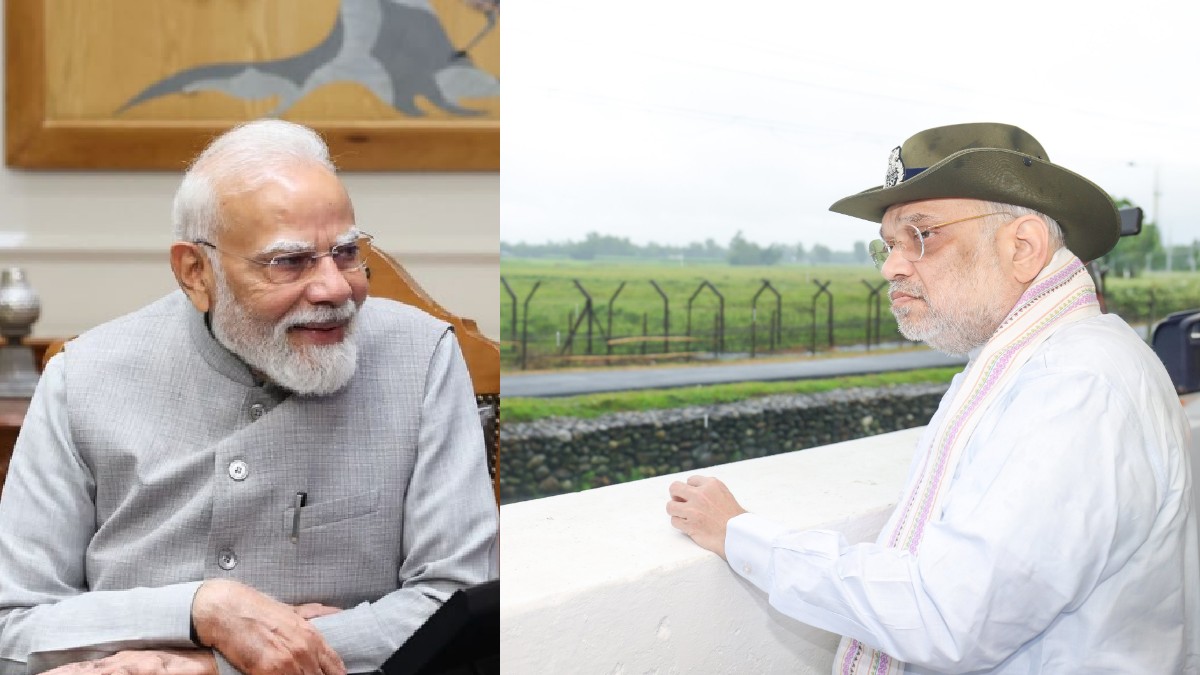
At the G7 Outreach Session in Evian, France, Prime Minister Narendra Modi delivered a message that encapsulated the growing anxiety of a fragmented world: countries can no longer work in isolation. In a speech on “Forging New Partnerships and Rebuilding International Solidarity,” he said the world’s major problem-energy, food, health, cyber and economic security are so intertwined that cooperation between nations is no longer a choice but a necessity.
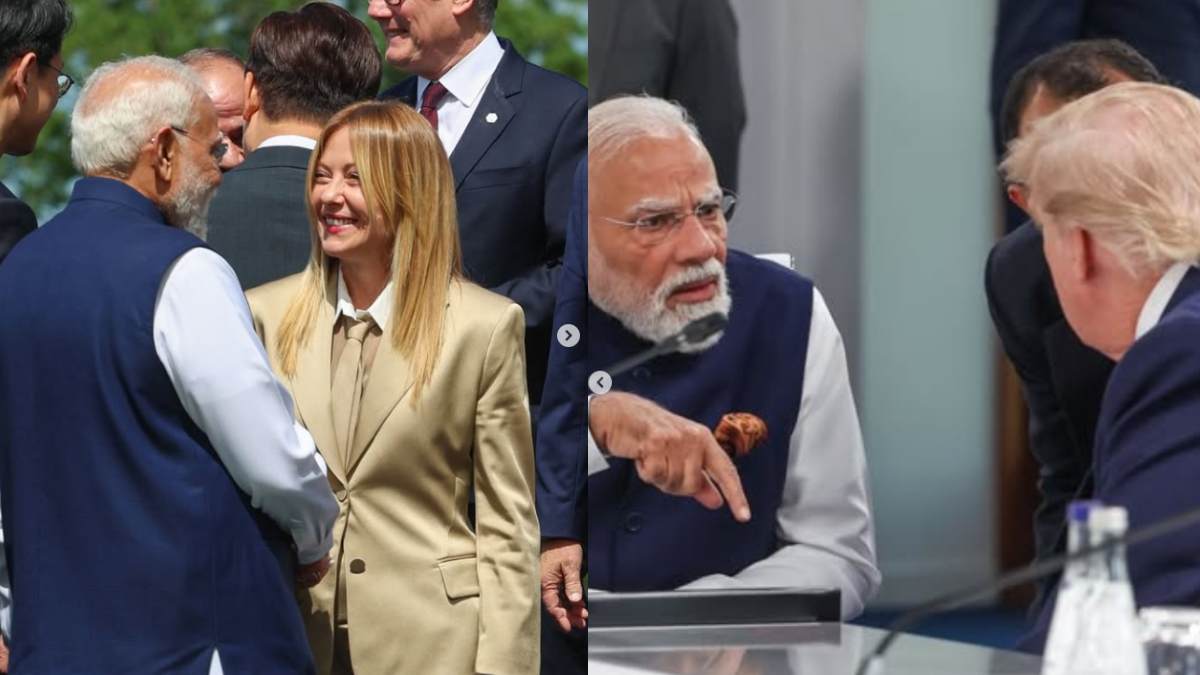
Modi’s main concern was the erosion of trust in global affairs.
Trade and technology are increasingly used to advance narrow national interests, he warned, creating a “trust deficit” between countries. Without naming countries, the prime minister pointed out that supply chains, critical technologies and strategic resources are becoming tools of competition instead of shared prosperity.
Modi’s point, drawing from the COVID-19 pandemic, was how nations are vulnerable when cooperation breaks down. He said the world leaders need to build partnerships on trust and transparency, reliability and mutual respect rather than transactional relationships. He said “real international solidarity is rooted in trust.”
Modi highlighted several Indian-led initiatives that he portrayed as a “humanity first” approach that he said demonstrate such an approach to “humanity.” Modi mentioned the International Solar Alliance, the Coalition for Disaster Resilient Infrastructure, the Global Biofuel Alliance, and Mission LiFE, India’s lifestyle-for-environment movement. He also mentioned the “Ek Ped Maa Ke Naam” campaign that urges people to plant a tree for their mothers.
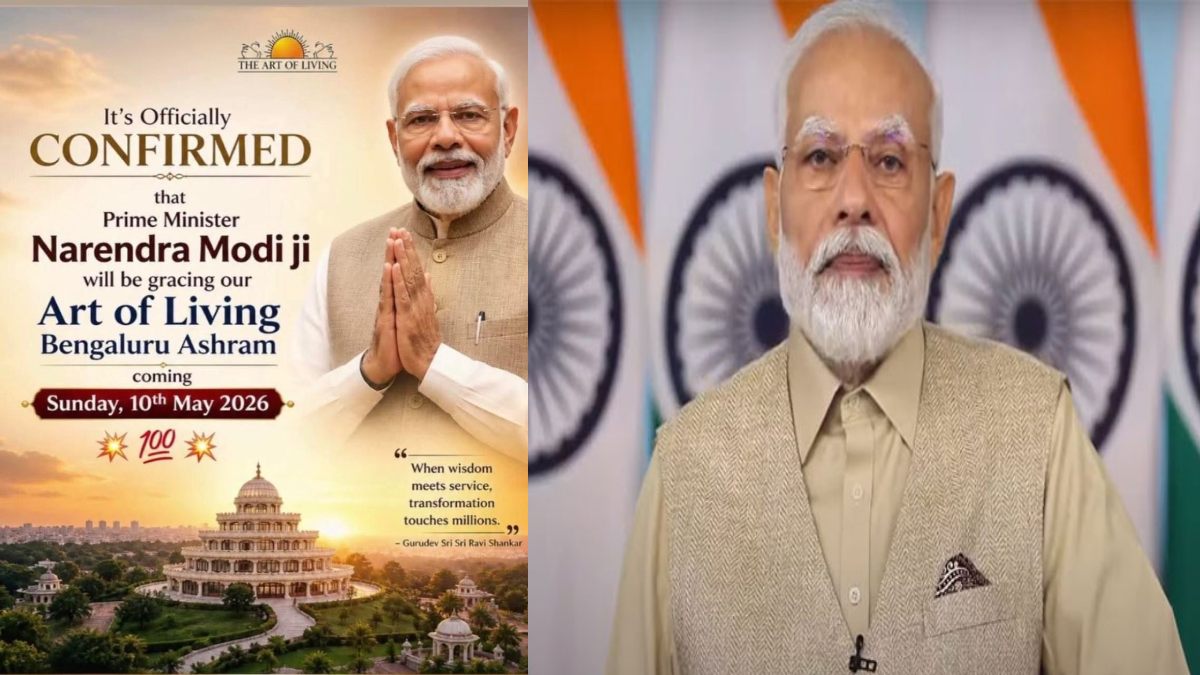
The prime minister also told the nation's policy initiative to help them in times of crisis and not only put India as a country that is willing in the field to help people in crisis. He cited relief efforts after a cyclone hit Sri Lanka, an earthquake in Afghanistan, floods in Mozambique and a hurricane in Jamaica, and that India has always been a first responder during disasters abroad.
Modi also linked India’s domestic development model to his global message. In line with the principle of “Sarv Jan Hitaye, Sarv Jan Sukhaye”- the welfare and happiness of all he highlighted progress in financial inclusion, digital identity systems, healthcare access, technology-driven empowerment, and women-led development as examples of inclusive growth.
But perhaps the most important part of his speech was his call to rethink the architecture of international cooperation. Modi argued that global partnerships should be based not on donor-recipient relationships but on equal ownership and mutual responsibility. Developing countries should not only be recipients of assistance but active contributors to global solutions, he said.
He also flagged a major obstacle to rebuilding solidarity: the lack of respect for international law. Peace and stability, he said, cannot be achieved through coercion or unilateral action. Dialogue and diplomacy are the basis of global engagement.
Modi’s remarks come at a time when trade barriers, semiconductor export controls, critical minerals, and artificial intelligence governance are becoming increasingly heated in the world. India has been looking to be a bridge between developed and developing nations more and more and the speech reinforced that goal.
India is not a member of the G7 but has been frequently invited to outreach sessions in recent years. In Evian, Modi used that platform to articulate India’s vision of a more inclusive, trustworthy and cooperative world order where prosperity is built not through competition alone, but through partnerships that recognize the shared fate of nations.