The Indian rupee fell 0.34 percent to 95.40 against the US dollar yesterday as investors remained cautious with global stock markets mixed and there was still a strong appetite for the dollar. The decline came as domestic stocks remained relatively stable and currency traders were very focused on the world economy, capital flows and central bank policy outlook.
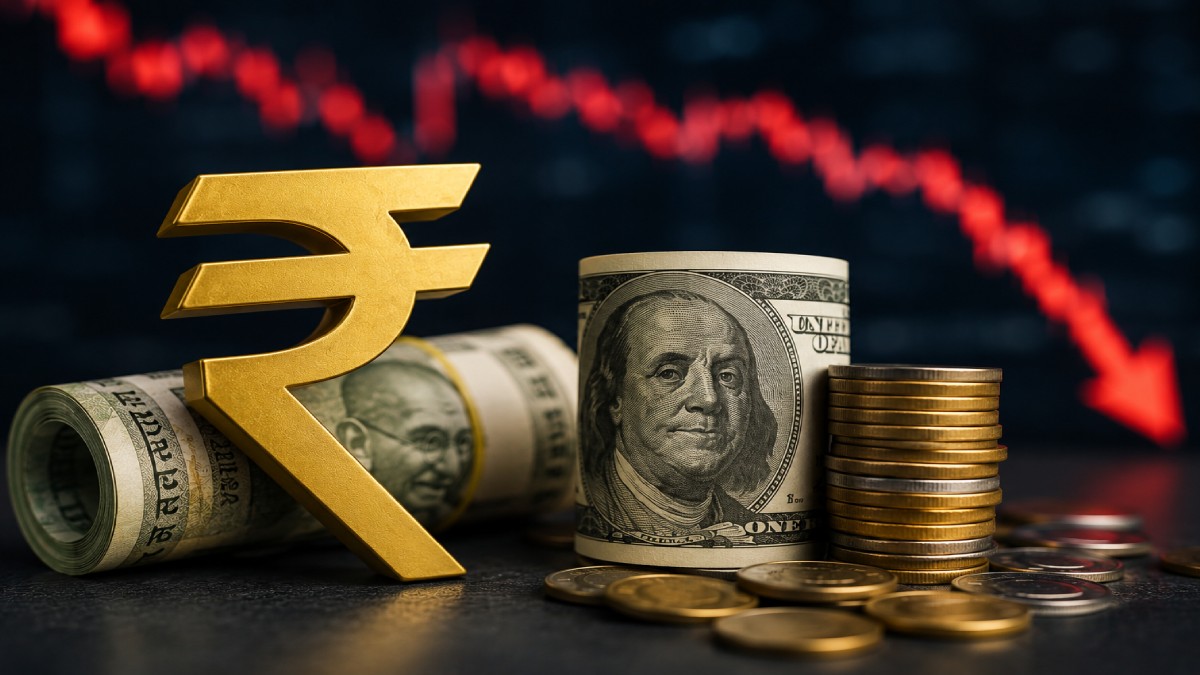
The rupee opened the day on a cautious note and stayed in a tight range until settling at 95.40 per US dollar in the interbank foreign exchange market. Currency dealers said it was mainly driven by the strength of the United States dollar in global markets, demand for dollars from importers and a wait-and-watch attitude by investors for economic data.
Market participants noted that although the decrease in the currency was very small it was a sign of the continued pressure on emerging market currencies due to uncertainty. A stronger US dollar tends to make imports costlier for countries like India because it is based on importing crude oil and other commodities in dollars.
Analysts said the fluctuation in crude oil prices was also an important factor influencing the rupee. India imports almost 80 percent of its crude oil needs and higher oil prices generally increase the country's import bill which creates an additional demand for US dollars and puts pressure on the domestic currency.
Foreign institutional investment flows also shape the direction of the rupee. When foreign capital is outflow from Indian equity and debt markets, the domestic currency will also weaken, but when this happens, the domestic currency will be helped by high inflows. The market’s positioning was cautious as global markets were waiting for more clarity on inflation and monetary policy decisions of major central banks.
The RBI is closely monitoring foreign exchange market movements in an orderly manner and to avoid excessive volatility in the market, the central bank is constantly monitoring market movements so that the currency market remains stable. The Reserve Bank of India is not set on a specific exchange rate but will intervene on a periodic basis by buying or selling foreign currency to smooth fluctuations and stabilize the market.
A weaker rupee has its benefits and challenges for the Indian economy. A weaker rupee for the exporter will make the Indian products and services more competitive in international markets. Information technology, pharmaceuticals, textiles and engineering industries benefit most from the weaker rupee as their exports in dollars translate to higher revenue in rupee terms.
A weaker domestic currency, however, increases the cost of imported goods, particularly crude oil, electronic goods, machinery and other basic commodities. Higher import costs may eventually lead to inflationary pressures if businesses pass on higher costs to consumers.
Currency experts believe that the near-term movement of the rupee will continue to depend on domestic and global factors like crude oil prices, geopolitical developments, foreign investment trends, inflation data and policy decisions by central banks like the US Federal Reserve and the RBI. Positive domestic macroeconomic indicators like economic growth and healthy foreign exchange reserves could cushion excessive volatility.
India’s foreign exchange reserves are one of the country’s greatest strengths and are a source of confidence to investors and the RBI has enough flexibility to cope with sudden market disruption. High reserves can also help the country cope with external obligations and stabilize the currency during periods of global uncertainty.
Even small changes in exchange rates can affect the cost of imports and export competitiveness and profit margins for international trade. Companies with large exposure to foreign currencies tend to hedge their exposure to them in order to minimize the effect.
Investors and economists will monitor economic indicators, such as inflation, employment, trade and central bank commentary, as these will be important to currency market sentiment in coming weeks.
Though the rupee's drop of 3 paise was small, it is indicative of the global financial market and domestic economic conditions in currency markets as they relate to each other are quite volatile. Market participants are optimistic that the Indian currency will come through the turbulence in the months to come if the economy remains healthy and policymakers are taking the right steps to keep up their approach.