Russian President Vladimir Putin’s United Russia party has won a decisive victory in the country’s parliamentary election, winning 57.83% of the votes and 355 of the 450 seats in the State Duma, according to nearly complete results released by Russia’s Central Election Commission. The result allows the party to retain its constitutional majority in the lower house of parliament.
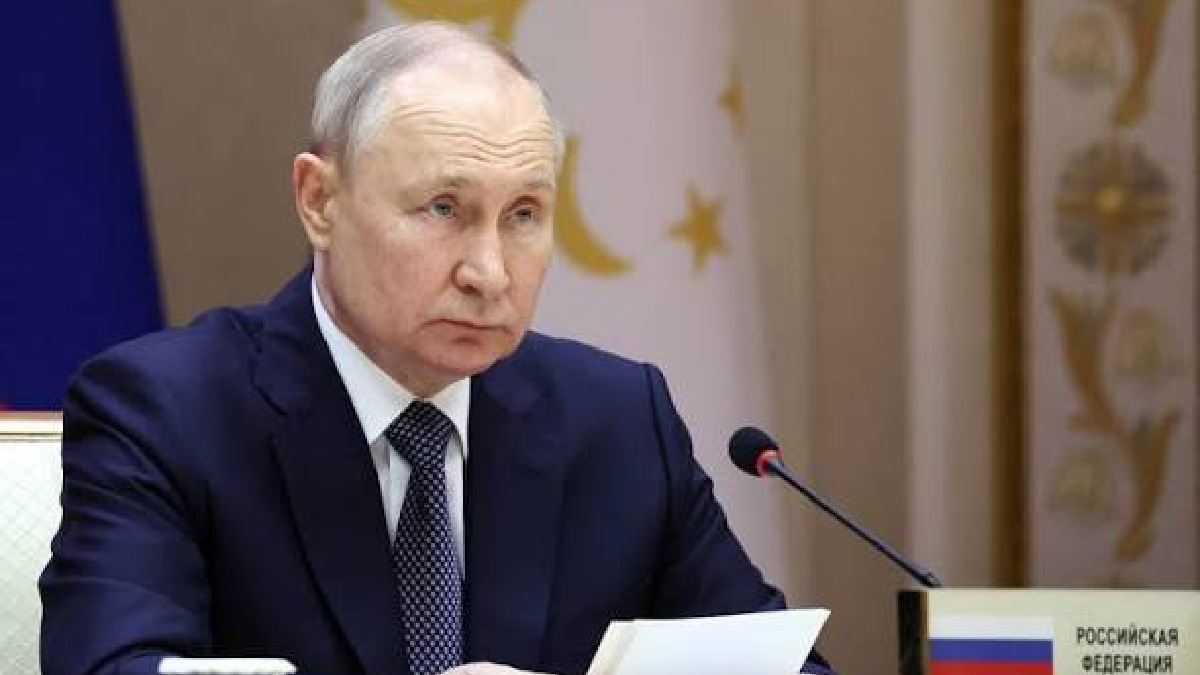
The elections were held from September 18 to 20 and marked Russia’s first parliamentary vote since the country launched its full-scale invasion of Ukraine in February 2022. President Putin had presented the election as a test of support for his government and Russia’s military campaign. By the time the results were reported, more than 95% of ballots were counted, and United Russia had a big lead over other parties.
United Russia’s reported vote share is up from 49.8% in the 2021 State Duma election. The party will win 355 seats in the new 450-member parliament, boosting its parliamentary majority. United Russia won 208 of the 225 single-member constituencies, while the other seats are allocated by party list.
The Communist Party was reported to have received about 13.8% of the vote and 40 seats, while the Liberal Democratic Party of Russia (LDPR) was on course for 25 seats after about 9% of the vote. The New People party was projected to win 20 seats after winning roughly 8%. Fair Russia was within 5% of party-list representation as counting continued.
The turnout was estimated at approximately 59.32%, according to the Central Election Commission chairman Ella Pamfilova. Voting took place for three days, and half of the State Duma seats were held through party lists and the other half through single-member constituencies. The elections were held during the ongoing war in Ukraine and in the face of continuing security problems in Russia.
The election has also drawn attention to the political environment in which it was conducted. International news organisations reported that prominent anti-war opposition figures were barred from political participation, imprisoned or living outside Russia. The liberal Yabloko party, which has opposed the war, did not contest the federal party-list vote because they were not allowed to do so. In turn, critics have criticised the election as an unfair process, but Russian authorities have defended the outcome as a referendum on the country’s leadership and policies.
The election also took place amid continued Ukrainian drone attacks on Russian territory. Russian authorities reported large numbers of drones being intercepted on the last day of voting, particularly in Moscow and in other parts of the country. But it was not the election itself that was at risk but the timing of the attacks and it was the election campaign and national unity during wartime that the Kremlin’s administration wanted to portray.
United Russia has held a majority in the State Duma since 2003. Its projected 355 seats would give it more than three-quarters of the chamber and maintain the constitutional majority it has held in previous parliaments. A constitutional majority gives the party powerful legislative power and allows constitutional amendments to be initiated without the need of other parliamentary groups, according to Russian law.
For Putin, the election result is a parliamentary result that can be cited by the government as evidence of continued domestic political support during the war. Reuters reported that Putin had framed the election as a test of support for the military campaign, with analysts and critics highlighting the restrictions placed on political opposition and the political climate surrounding the vote. These differing interpretations are still one of the most important aspects of the international debate on the election.
With final counting still ongoing in some areas, the composition of the new State Duma will see few changes as a result. But the Central Election Commission’s nearly complete figures suggest that United Russia will still hold a large majority with 57.83% of the vote and 355 seats in the 450-member parliament. With the country’s domestic politics as a whole still in turmoil due to the war in Ukraine and the country approaching the next parliament, the result is a significant development in Russia’s domestic politics.