The wait for India’s post-monsoon wildlife season is almost over. As September comes to an end, several national parks and tiger reserves are prepared to reopen their tourism zones after the annual monsoon closure.
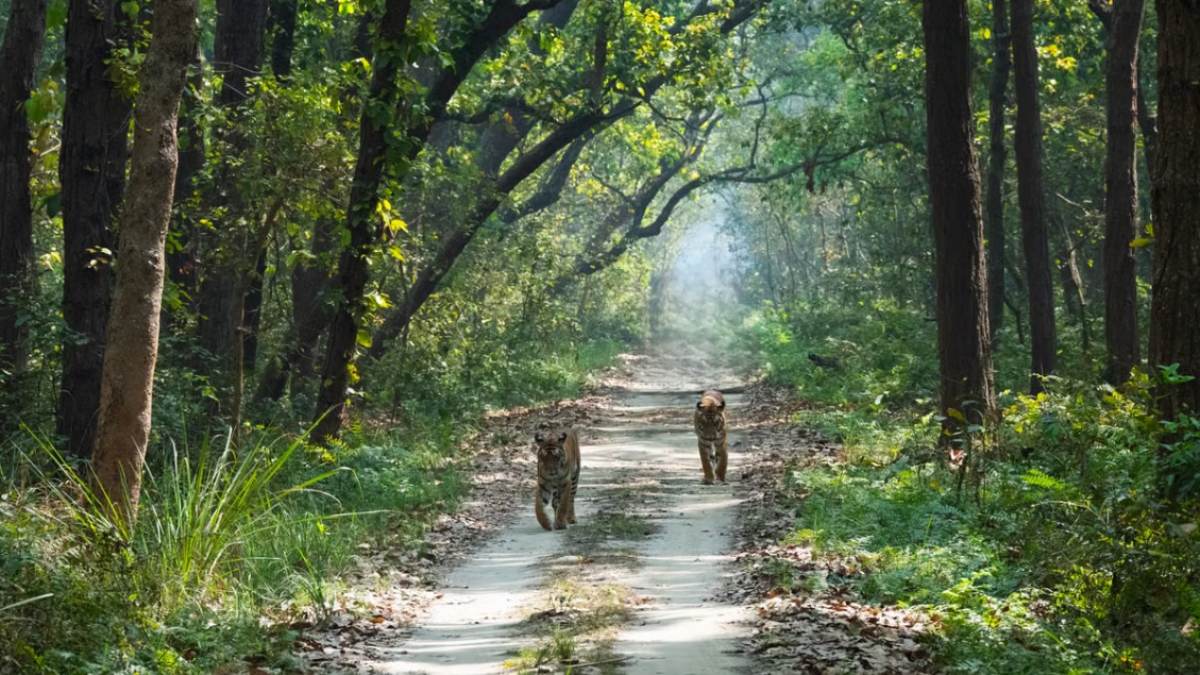
October is the start of a safari season in the country for wildlife lovers. The forests are lush after the rains, and reopening schedules give travellers another chance to visit India’s tiger habitats.
But reopening dates are not the same everywhere. Some reserves will reopen their core zones on October 1, and others will finish in mid-October or later. Also, you need to check the official park websites for a trip and note that there are different opening dates for each zone.
We have made a list of eight places to visit and enjoy tiger safaris in this season.
1. Tadoba-Andhari Tiger Reserve, Maharashtra
Tadoba-Andhari Tiger Reserve is among Maharashtra’s most popular wildlife destinations and is expected to reopen its core tourism zones by October 1.
The reserve has jeep safaris through forests that are home to tigers, leopards, sloth bears, wild dogs, and several species of deer. The Tadoba tourism portal shows different timings for safaris for October, and there are also morning and evening entry slots in the main areas.
October is also an attractive time for visitors when the forest landscape changes after the monsoon, and temperatures in the summer months are generally much warmer than in the summer months.
2. Jim Corbett National Park, Uttarakhand
Jim Corbett National Park follows a different reopening schedule in its tourist zones.
The official Corbett Tiger Reserve website currently lists Bijrani as open from October 15 to June 30, while the Dhikala, Durgadevi, Sonanadi and Pakhro zones open from November 15. Jhirna and Dhela have longer operating periods.
This is especially relevant in October to travellers who are looking to go to the zones that will reopen in the month.
Apart from tigers, Corbett is also home to elephants, leopards, deer, and a lot of birds. It’s also one of India’s most popular wildlife areas, with forests and rivers.
3. Kanha Tiger Reserve, Madhya Pradesh
Kanha is another major destination on the post-monsoon safari calendar.
The Madhya Pradesh Forest Department’s tourism information lists October 15 to June 30 as the best period for visiting the reserve. Kanha has several tourism zones, including Kanha, Kisli, Mukki and Sarhi, and buffer areas.
The reserve is especially known for its sal and bamboo forests, grasslands, and the hard-ground barasingha.
For visitors, a safari in Kanha is not only about a tiger. The landscape itself, along with deer, birds and other wildlife, is so much more than a tiger.
4. Bandhavgarh Tiger Reserve, Madhya Pradesh
Bandhavgarh is another place in Madhya Pradesh that attracts wildlife photographers and tiger enthusiasts.
The core tourism areas are expected to reopen around October 15 after the monsoon closure. The reserve is noted as a tiger habitat and also hosts leopards, sloth bears, deer, and many bird species.
The nature is a mix of forests, grasslands, and hills; the Bandhavgarh Fort provides another dimension to the trip.
Even though the reserve is noted for tiger sightings, visitors should remember that wildlife encounters are unpredictable. A safari can never guarantee that a tiger will appear.
5. Pench Tiger Reserve, Madhya Pradesh
Pench, located along the Madhya Pradesh-Maharashtra border, is another destination reopening its core areas around October 15.
The reserve is associated with the landscape that inspired Rudyard Kipling’s The Jungle Book. Its forests, open areas and water bodies offer habitat to tigers, leopards, wild dogs, deer and a whole range of bird species.
Post-monsoon time is the opportunity for visitors to see the forest after months of rainfall, but safari zones and timings can vary.
6. Satpura Tiger Reserve, Madhya Pradesh
Satpura offers a somewhat different wildlife experience than traditional jeep-only safaris.
The reserve is noted for its rugged terrain and diverse wildlife, and some tourism packages include walking and boat trips, as well as vehicle safaris.
The core tourism zone is expected to reopen around October 1. With the forest, hills, and water bodies, it will provide a different experience for travellers who are looking for more than a tiger-sighting trip.
The wildlife in the landscape includes tigers, leopards, sloth bears, deer, and many smaller mammals.
7. Sariska Tiger Reserve, Rajasthan
Sariska offers the chance to combine wildlife with Rajasthan’s historical landscape.
The tiger reserve is located in the Aravalli hills and is expected to reopen its tourism operations from October 1 after the monsoon period.
Sariska has leopards, deer, wild boar, and other wildlife as well. The reserve even has historical sites like the Kankwari Fort to tour, and so as to help people to learn more about the history of the region.
Rajasthan Tourism refers to Sariska as a major tiger habitat and advises visitors to make reservations in advance because of its popularity.
8. Panna Tiger Reserve, Madhya Pradesh
Panna is another destination as the October safari season starts.
The reserve’s core areas will reopen around October 16. Panna has been recognized for its tiger conservation story after a relocation and reintroduction programme has been conducted.
The Ken River and the rocky terrain of the reserve add to the landscape, and visitors can see tigers, leopards, sloth bears, crocodiles, and many bird species.
The availability and zone-specific regulations are essential for travellers planning to attend, and booking for October should be checked ahead of time for future travel.
Why October is important for Safari Travellers?
The monsoon closure is a crucial part of wildlife management in many Indian tiger reserves. Many core forest areas are still closed during the rainy season for animal breeding, forest regeneration, road conditions, and visitor safety for any number of reasons.
The reopening therefore marks more than the return of tourism. It also marks the beginning of the post-monsoon period when forest tracks should be more accessible, and visitors can return to many of the core tiger areas again.
October also brings greener landscapes and more comfortable conditions throughout the country. But when are tiger sightings most likely to happen in a reserve and season? In hotter months, animals can be more readily seen around water sources, and post-monsoon safaris offer a different kind of feeling when surrounded by thick forests.
Most importantly, no national park can guarantee a tiger sighting. Wildlife is unpredictable, and visitors should treat all forest experiences, from birds, deer, elephants, landscapes, and smaller animals, as part of the safari.
Before going on a trip, tourists should check the official website of the particular reserve for opening dates, safari zones, booking rules and weather-related changes.
With several major reserves reopening from October, India’s wildlife calendar is once again turning into the tiger safari season. Travelers waking up early, spending hours in the forest, and waiting patiently will have a lot of opportunities in the coming months to experience India’s wilderness.