Russia’s long-running military footprint in Syria seems to be changing drastically, with new ties between Moscow and Damascus that will probably reduce the direct control of some of Russia’s most strategic military assets.
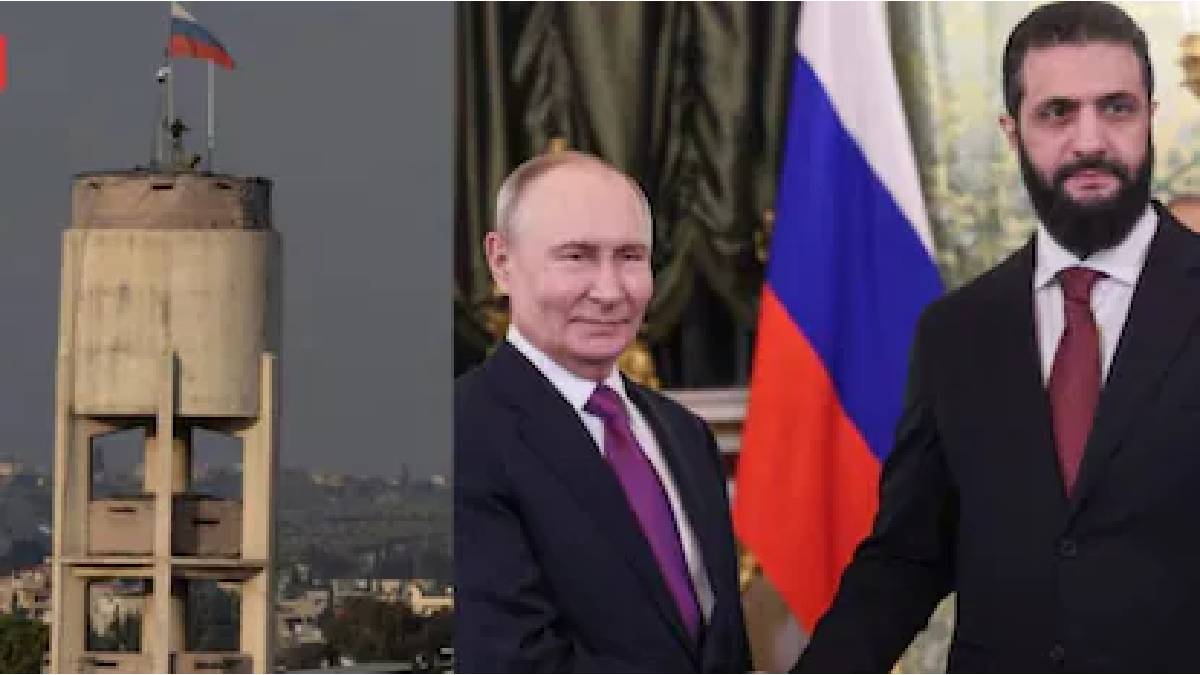
The development comes after about 18 months of talks between Russia and Syria's new government. Despite Moscow’s efforts to preserve its strategic position after the fall of former Syrian President Bashar al-Assad, Russia has reportedly been unable to retain the same level of control it enjoyed during the Assad era.
In the new arrangement, Russia’s previous control over key facilities including the Hmeimim airbase and Tartus naval facility, is going to be drastically different. Instead of the Russian military bases being as they are today, the facilities are supposed to move towards a shared system of joint training and cooperation.
Russia’s Military Presence Will Change
Hmeimim, located around Latakia, and the naval base at Tartus have long been key to Russia's military strategy in the Mediterranean.
During the Syrian civil war, these facilities provided Moscow with crucial logistical, air and naval capabilities. They also helped Russia project military power into the eastern Mediterranean and support the government of Bashar al-Assad.
The agreement is a substantial change from that model.
Public infrastructure around Hmeimim and parts of the Tartus facility are expected to gradually come under Syrian government control. Military bases have been transformed from traditional Russian-controlled bases to joint training centers, with both countries able to conduct military training and cooperation.
The transition is expected to take about three months.
Assad's fall changed Moscow's position
Russia’s position in Syria became more and more complicated after the fall of Bashar al-Assad.
Assad eventually fled Syria and got asylum in Russia, while the country’s new leadership began pursuing a different foreign policy.
The new Syrian administration, led by President Ahmed al-Sharaa, has tried to establish relationships with several international powers rather than being very much in Moscow’s orbit.
This has changed the negotiating position of Russia
During Assad's rule, Moscow had vast access to Syrian military infrastructure in strategic depth. Yet the new government is more determined to regain more control of national territory and, at the same time, have diplomatic and strategic flexibility.
Al-Sharaa has also been in talks with the Russian leadership, including meeting with Russian President Vladimir Putin in Moscow.
Hmeimim And Tartus Were Critical To Putin’s Strategy
The importance of Hmeimim and Tartus is well beyond Syria's border.
Hmeimim provided Russia with a major air operations hub, while Tartus was an important naval logistics and support facility.
Together they enabled Moscow to maintain a sustained military presence in the eastern Mediterranean.
For Russia, keeping these facilities was strategically important.
A move towards shared training facilities rather than exclusive Russian control would be a major change in Moscow’s regional military posture.
It would not necessarily mean that Russia is completely leaving Syria, but it would indicate that its previous level of military dominance is being reduced.
Moscow has yet to respond publicly
These changes in Russia's strategy have raised questions about Russia’s future strategy in Syria.
With the Syrian side having announced the new arrangement, Moscow has not offered much public response.
Russia’s silence could well be due to several reasons, including avoiding a war with the new Syrian government or a broader approach of maintaining influence through diplomacy and military cooperation and not direct control.
For Moscow, preserving some form of access to Syrian facilities could still be strategically valuable even if the nature of access changes.
Syria pursues A New Foreign Policy
The change in relations with Russia is part of a broader transformation in Syria’s foreign policy.
The new Syrian government appears to be seeking better relations with the United States, European countries, and Arab states and working relationships with Russia and other regional powers.
The approach is less about choosing one powerful ally and more about balancing competing international interests.
Such a policy could help Damascus in terms of diplomatic flexibility as it’s trying to rebuild the country after years of war and political instability.
US And Western Engagement Adds To The Shift
Syria’s relationship with Russia has changed as well as ties with Western countries.
The United States has taken steps toward easing some sanctions and engaging with Syria’s new leadership.
The transformation is particularly significant because some of the new Syrian leadership were previously seen by Western governments through the lens of militant and terrorism-related concerns.
Thus, Western governments’ willingness to interact with Damascus is a significant change in the geopolitical landscape of Syria.
A New Balance of Power In The Middle East
The reported Russia-Syria agreement could ultimately be less about Syria completely abandoning Moscow and more about establishing a new balance of power.
Damascus seems to be pursuing relationships with Russia, the United States, Europe and Arab countries simultaneously.
For Russia, keeping some level of military cooperation might allow it to maintain influence without demanding the same level of control that it enjoyed under Assad.
For Syria, the arrangement would give more sovereignty over strategic infrastructure and leave critical international partnerships intact.
What It Means For Putin
For Putin, this is the major change to a strategy that has helped Russia to gain so much influence in Syria for so many years.
But to describe it simply as a total Russian defeat would ignore the possibility that Moscow might retain military access and diplomatic influence through the new joint framework.
The question will be whether Russia can maintain strategic access to the Mediterranean while adapting to the Syrian political reality in the present situation.
The next few months will therefore be very relevant.
If the transition to Hmeimim and Tartus starts as reported, this could mark the end of an era in which Russia held a vast military power over Syria's strategic facilities.
At the same time, a joint training arrangement would give Moscow the chance to keep a toehold in the country and maintain its presence in a much different political and military context.
The developments signal how much Syria’s geopolitical position has changed since the fall of Assad. After years of being one of Russia’s most important Middle Eastern partners, Syria is now trying to pursue a multi-aligned foreign policy in which national sovereignty and current strategic interests take priority over traditional alliances.