Russian scientists have developed an AI-powered microscope for skin damage that is hidden from the eye. To date, there have been few real-world applications for medical imaging and artificial intelligence (AI) that can detect skin damage early on in the process and be applied in dermatological research and skin treatment.
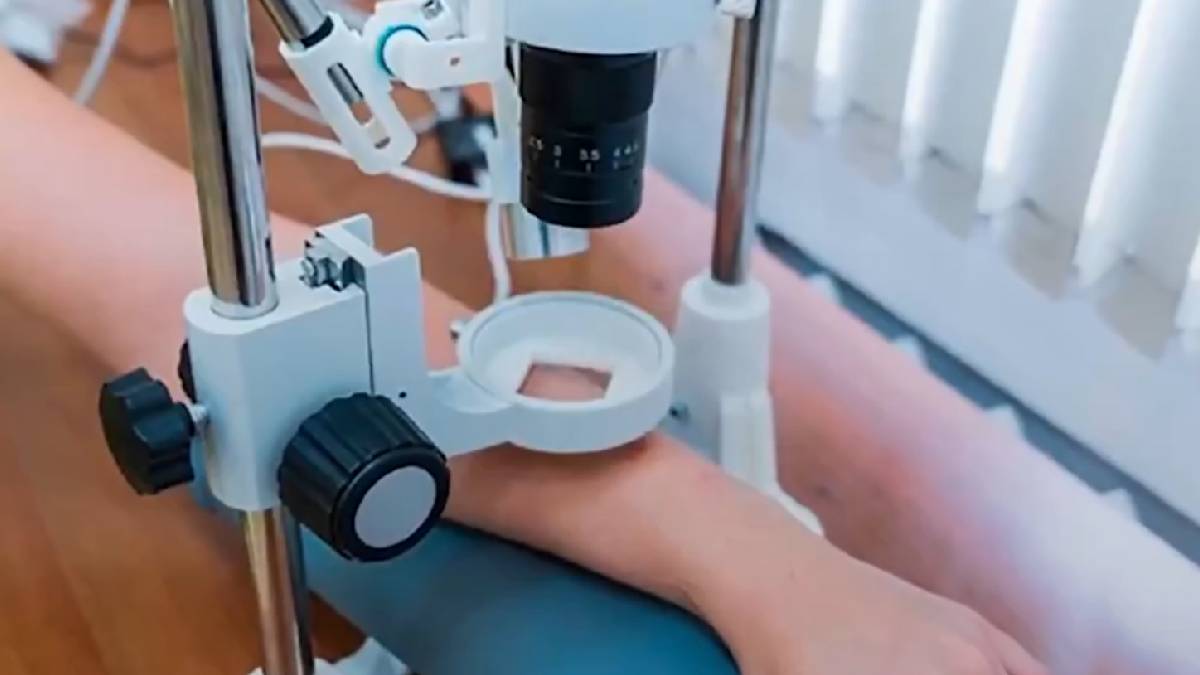
The newly developed microscope is meant to generate high-quality imaging data that could then be analyzed with artificial intelligence in the field. A combination of high-tech optical technology and AI-powered image analysis could help to identify subtle changes in skin tissue that would otherwise be ignored in a regular clinical assessment.
Russian Scientists Develop #AI-Ready Microscope That Reveals Hidden Skin Damage
— Ronald van Loon (@Ronald_vanLoon) July 16, 2026
by @SputnikInt#MedTech #HealthTech #Tech #TechForGood pic.twitter.com/O0WU8MILcW
Skin is the largest organ of the body and is the first line of defense for environmental factors such as ultraviolet radiation, pollution, chemicals, and pathogens. Although symptoms are often the first they show up, many other underlying changes occur at the skin’s surface, too, much earlier than they are visible. Knowing these hidden problems early on could help in the treatment of a patient with early warning signs.
Traditional skin examinations are based on visual inspection, dermoscopy, and even biopsies in some instances. While these methods are still very effective, microscopic changes can sometimes be hard to detect at their earliest stages. The AI-ready microscope aims to fill that gap and provide detailed imaging to reveal subtle cellular and tissue-level changes.
Artificial intelligence is key to the system’s potential. Machine learning algorithms can be trained to probe thousands of microscopic images to identify patterns associated with tissue damage, inflammation, aging, or other abnormalities. As AI models are trained to do so on large datasets and as the data is fed to them, they will be better at identifying suspicious changes and will be able to help clinicians to identify trends.
There is a lot to do with it in medical diagnosis, but also in biomedical research: there is a lot of biomedical research and biomedical activities that apply to all fields of science. Scientists studying skin regeneration, wound healing, cosmetic treatments, and the effects of environmental exposure could use the microscope to measure microscopic changes and know more accurately. This can be useful in the development of better therapies and preventive measures in the future.
The microscope could also be applied to the cosmetic and skincare industries. Companies that assess the effectiveness of skincare products often require in-depth analysis of how products affect skin structure over time. High-resolution images and AI analysis are both promising to provide objective information to guide product development and scientific verification.
AI-assisted microscopy also has the potential to reduce the subjective viewing of images. AI systems can provide consistent analysis based on learned patterns for healthcare professionals to review complex images and also help them identify cases that require further assessment. Most importantly, these tools do not replace, but rather complement, the skills and judgment of trained medical personnel.
The development is part of a global trend towards artificial intelligence in healthcare. AI-powered diagnostic technologies are being explored in radiology, pathology, ophthalmology, cardiology, and dermatology to help improve diagnostic accuracy, workflow, and access to medical professionals.
As medical imaging technologies continue to evolve, new AI-based microscope technologies like this would help in the early detection of skin abnormalities and personalized treatment. Early recognition of microscopic changes would allow doctors to track the progression of disease, assess the effectiveness of treatments, and tailor treatment to the individual patient.
In the absence of clinical validation and regulatory assessment, the research demonstrates the increasing impact of integrating sophisticated optics with artificial intelligence. It would be useful for doctors, researchers, and the healthcare system as a whole to be able to find and detect the underlying skin damage at the microscopic level.