India’s health system has taken another step forward with AIG Hospitals introducing the ZAP-X Neuro-Radiosurgery System, which is a non-invasive, high-tech approach to the treatment of brain tumors and other neurological diseases. This step towards radiosurgery equipment is crucial for cancer care and neurosurgical services in India, and the treatment of cancer patients has no surgical procedure in the brain.
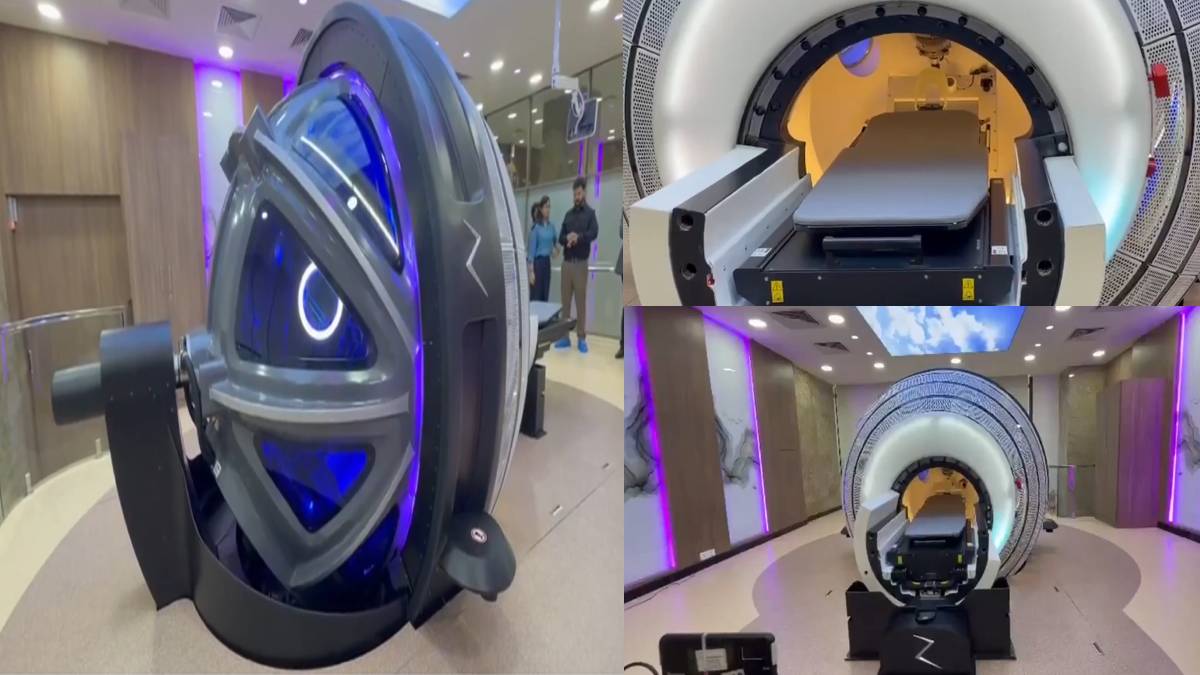
The ZAP-X system is a stereotactic radiosurgery (SRS) platform that can deliver very focused beams of radiation directly to brain areas. Unlike traditional surgery, no surgical incisions, general anesthesia, or extended hospital stays occur. Instead, multiple beams of radiation are focused on the affected tissue with great precision and minimize exposure to surrounding healthy brain structures.
AIG Hospitals Brings Advanced ZAP-X Neuro-Radiosurgery to India
— Ronald van Loon (@Ronald_vanLoon) July 16, 2026
by @NewsArenaIndia#MedTech #HealthTech #Tech #TechForGood pic.twitter.com/jDl86dV8yZ
This precision makes the technology especially useful to treat small to medium-sized brain tumors, metastatic brain lesions, benign tumors such as meningiomas and acoustic neuromas, arteriovenous malformations (AVMs), trigeminal neuralgia, and some functional neurological diseases. The ability to precisely target diseased tissue while maintaining normal brain function is one of the main advantages of stereotactic radiosurgery.
The ZAP-X platform is also gyroscopic in nature, and radiation beams can be delivered from hundreds of different angles, making treatment much more accurate and allowing the clinician to create a customized treatment plan for the patient based on each specific case. The system also has advanced image guidance and treatment planning to guide radiation to the target with sub-millimeter precision.
One of the technology’s most interesting features is that it’s self-shielded. In contrast to most existing radiation therapy systems that need to be equipped with special treatment bunkers with high radiation shielding, ZAP-X has radiation shielding built into the system itself. This means easier installation, less infrastructure, and high operational efficiency for the system with high safety levels.
The benefits of the treatment are significant for patients. The treatment is non-invasive, and recovery is usually quicker than after conventional neurosurgery, which takes place in a much less painful way. It is generally faster, and the recovery is much more effective. Many patients recover well (or more quickly) after treatment, and many return home either on the same day or in a short time or even soon thereafter, lowering hospitalization, reducing hospitalization and lowering the risk of surgical complications, and improving overall quality of life. It may also be an option for people who are not suitable for open surgery due to their age, underlying medical history, or the location of the lesion.
The development of advanced radiosurgery technology only adds to India's growing investment in high-end medical innovation. Many hospitals in India are also adopting state-of-the-art diagnostic and therapeutic tools (including the latest technology for cancer diagnosis and treatment) for better patient care, treatment time, and clinical precision. These advancements are making India a global leader in advanced healthcare and medical tourism.
Brain disorders are still a major health problem worldwide. Early diagnosis and access to specialized treatment are critical for improving survival rates and retaining neurological function. Technologies like the ZAP-X system provide physicians with additional treatment options that can complement surgery, chemotherapy, immunotherapy, or conventional radiation therapy, depending on the diagnosis and treatment plan the patient is facing.
That is why precision medicine technologies— including advanced imaging, AI-based treatment planning, and highly focused radiation— will be the future of oncology and neurosurgery, experts say. Not only are they going to improve clinical outcomes, but they will also reduce side effects and make treatment more patient-friendly.
The arrival of the ZAP-X Neuro-Radiosurgery System at AIG Hospitals is a mark of significant change in India's healthcare system. The technology with world-class, non-invasive treatment for complex neurological diseases increases the accessibility of modern medicine and provides new hope to patients who require highly specialized brain treatments. As precision medicine evolves, new technologies like ZAP-X will continue to play a critical role in neurological and cancer care across the country.