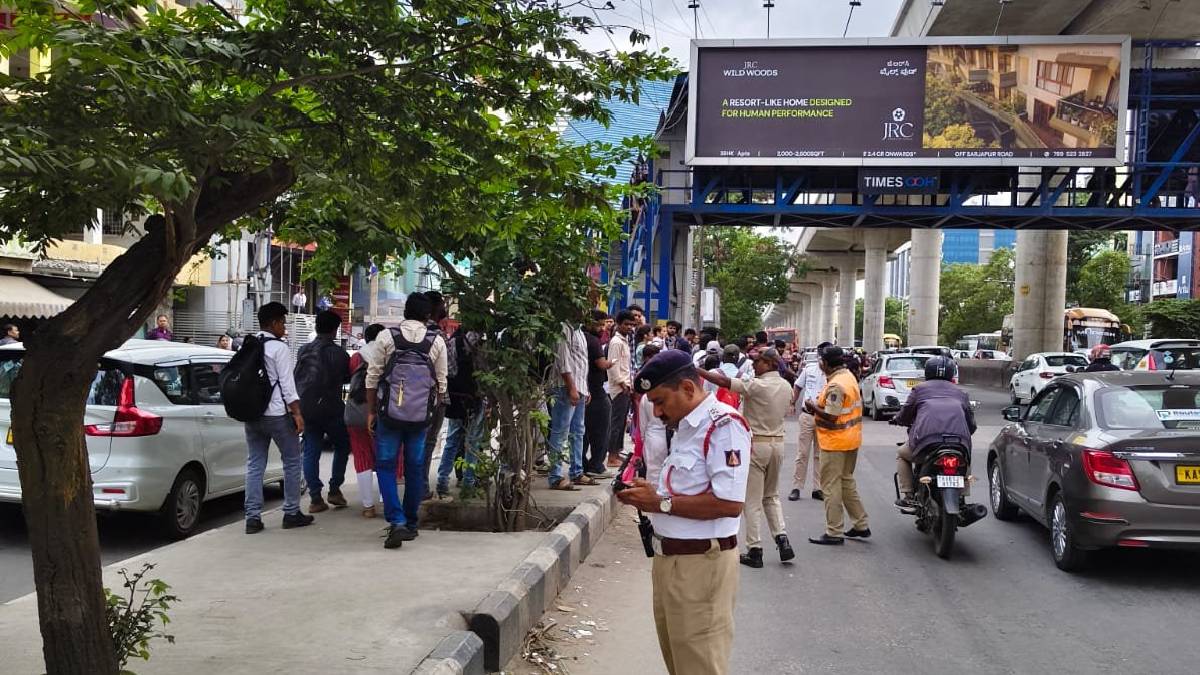
A shooting near the presidential palace in the heart of Mexico City has left one person dead, raising concerns about public safety in one of the country’s most closely maintained historical districts. The incident took place in Santo Domingo Square, an area near the National Palace and surrounded by centuries-old colonial architecture. Police are conducting an investigation to find out what was the motivation behind the attack and identify those responsible.
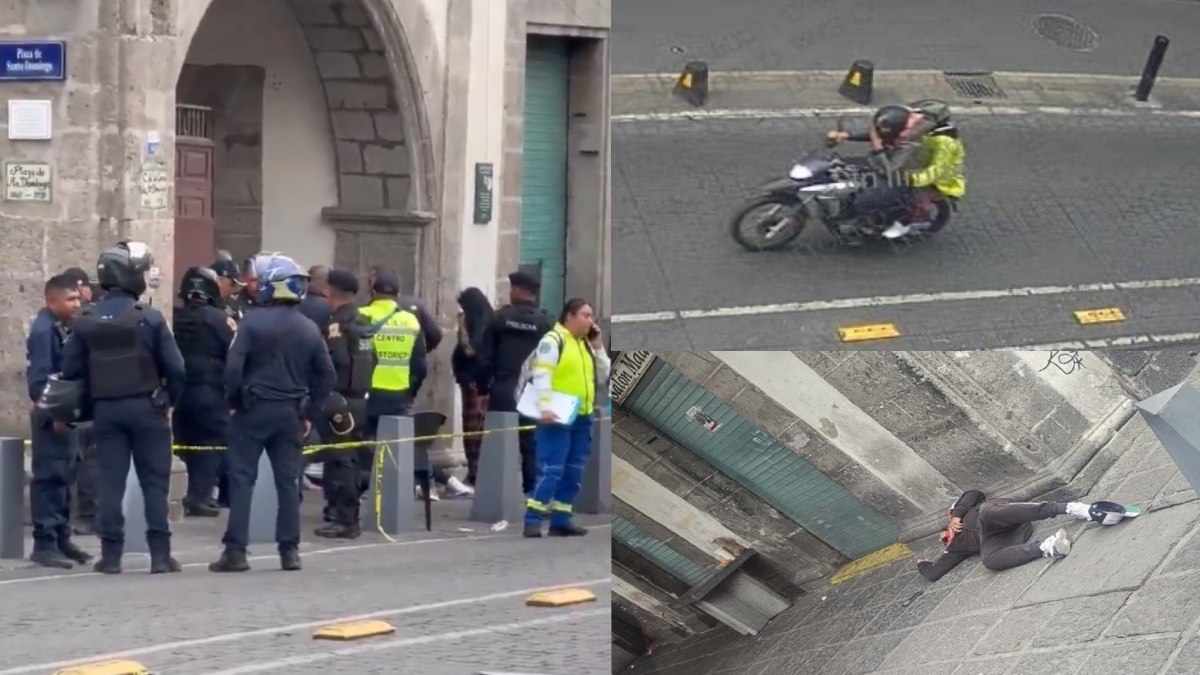
The shooting took place in Santo Domingo Square, a place tourists and locals alike like to frequent, as well as those who live there. It has also been an area prone to counterfeit or fraudulent documents that have long been a police matter that investigators are investigating.
Emergency responders and police officers arrived quickly on the scene after reports of gunfire. The victim was found with serious injuries and was later confirmed dead despite efforts to save him. Authorities secured the scene immediately, gathered forensic evidence, and began reviewing surveillance camera footage from nearby buildings and public spaces. Witness accounts are also being questioned as part of the investigation.
The shooting happened close to the Presidential Palace, but officials said that there was no direct threat to government buildings or public officials. Security around the National Palace is in place and there are several layers of law enforcement there simply because it is so politically and historically important.
Santo Domingo Square is one of the oldest public spaces in Mexico City and is part of the city’s historical centre—a UNESCO World Heritage Site. The square is known for its colonial-era buildings, cultural history, and proximity to important government institutions. But it has also long been associated with illegal businesses that sell fake identification cards, fake educational certificates, and other counterfeit documents. Law enforcement agencies regularly operate in the area to take down such networks.
The recent shooting underlines the challenges that Mexican officials face in tackling organised crime and illegal activities in urban areas. Many parts of Mexico City are still very much alive cultural and commercial hubs, but crime is a very complex problem for the law enforcement authorities. The police in the capital are constantly conducting intelligence-based operations to fight organized criminal groups, illegal document rackets, and other criminal activities.
Security analysts point out that incidents close to big government buildings get more attention from the public because they represent symbolic significance. But they warn against drawing conclusions about motives until investigators look at forensic evidence, witness testimony, and video surveillance. Police will investigate whether the shooting was motivated by personal disputes, organized crime, or some other motivation.
The incident has also brought into question urban security measures in areas with heavy pedestrian traffic. Historic districts are home to thousands annually of tourists, government workers, business owners, and residents. Police must be able to keep up the policing but also maintain access and cultural heritage to keep city authorities on top of it.
Shooting in downtown Mexico City @ClaraBrugadaM one dead pic.twitter.com/OVHPb12LV6
— FCPA MEXICO (@FCPA_Mexico) July 28, 2026
Mexican police also continue to enhance surveillance systems, increase CCTV network penetration, and better coordinate local and federal security forces. These measures are directed toward speeding up response, deterring crime, and more efficient investigations of violent incidents.
People who might have witnessed the shooting and may have any evidence are asked to assist detectives. This will help to find suspects and reconstruct the sequence of events in the run-up to the attack.
But the police have said that no conclusions on the motive or suspects will be made until evidence is available. The killing serves as another reminder that more efforts are needed to eradicate urban crime and ensure safety in one of the city’s most historic districts.