Spain is preparing to move around 500 vulnerable migrant girls from the North African enclave of Ceuta to safer and better-protected facilities following reports of sexual assaults among migrants. The move comes after a recent influx from Morocco on July 30 and 31 saw local authorities struggling to accommodate thousands of arrivals, including a large number of unaccompanied minors.
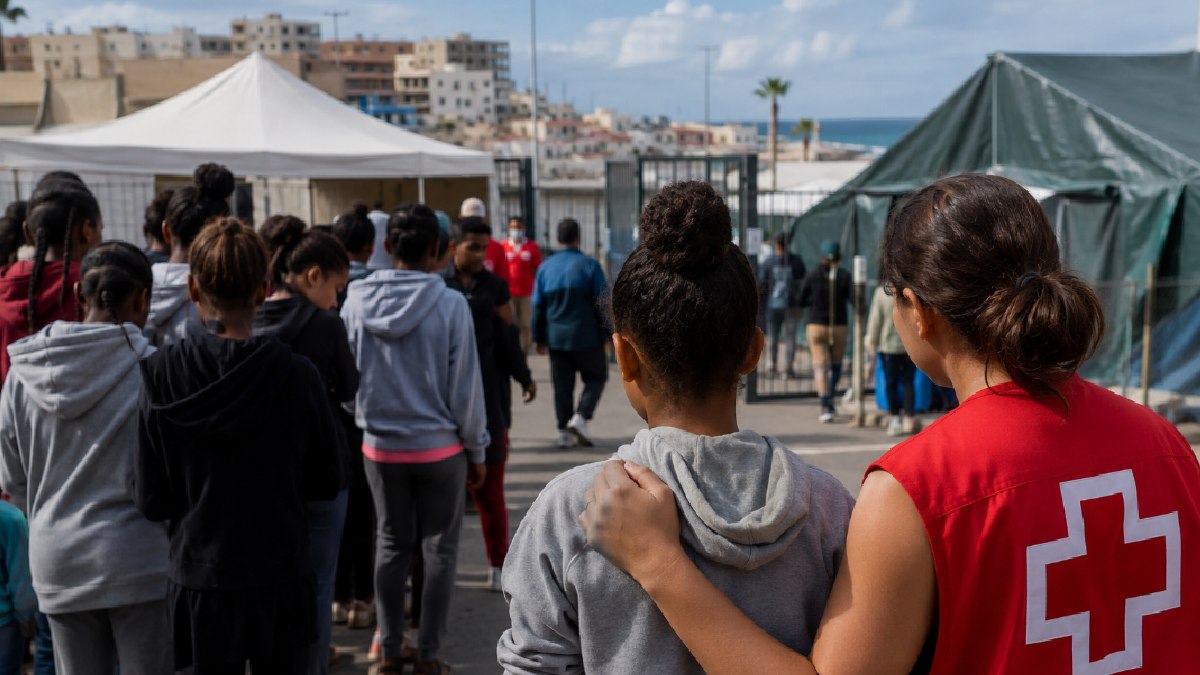
Ceuta has put severe pressure on the Spanish authorities, humanitarian organisations and local services. Temporary facilities have been under strain as officials have tried to provide shelter, food, security and basic support for young migrants. Particularly vulnerable are girls, who therefore need more protection.
According to Spain’s largest police union, 15 sexual assaults have been reported since the mass arrival, with most of the alleged victims underage. Some of the cases have thus far made it to court, and the authorities must strengthen security measures around accommodation centres and separate vulnerable minors from potentially dangerous situations.
The relocation of approximately 500 girls in the overcrowded facility is intended to reduce the risk of exposure to disease. Spanish officials are expected to coordinate the transfers with non-governmental organisations and local authorities which have been involved in managing the migrant population and serving children arriving without family support.
Ceuta’s geographical location makes it a particularly sensitive point in Europe’s migration debate. The Spanish territory lies on the North African coast and shares a land border with Morocco. Large-scale cross-border movements can quickly overwhelm the enclave’s relatively limited infrastructure, especially when large numbers of minors arrive within a short period.
The latest developments have also pointed to the complicated political balance in migration between Spain, Morocco and the wider European Union. Spanish authorities are dealing with the immediate humanitarian needs of migrants and minors, but European policy is also supporting cooperation with Morocco on migration management and return of people who have no legal basis in Spain.
But for officials in Ceuta, the immediate concern is the protection of children already in the territory. And advocates for migrant rights have always stressed that minors need safe accommodation, access to healthcare and education, legal assistance and protection from exploitation or abuse regardless of their immigration status.
The reported assaults also renewed debate about conditions at migrant reception facilities. Overcrowding can make it more difficult for authorities to monitor vulnerable individuals and identify threats and provide adequate supervision. So moving the girls to facilities oriented towards protecting minors could be a significant part of the government’s response.
Ceuta's community is already suffering from the effects of the sudden arrival and police and emergency services are under increased strain. Social media has also brought in more pressure as video of the city’s residents has attracted strong views.
One video widely shared is of police confronting a woman whose dog had become an important source of security and emotional support for her. The incident is separate from the reported sexual assaults and the public discussion of safety, policing and the difficult environment of the migrant crisis has been in the background.
The relocation plan is a reflection of the growing awareness that at times of high pressure, vulnerable migrant children require specialised protection. Moving hundreds of girls in such a way will require authorities to have enough staff, security and resources in place for the receiving facilities.
At the same time the reported cases of sexual assault are likely to remain under legal scrutiny. Any allegations involving minors should be thoroughly investigated, victims’ rights protected and due process for those who are accused should be done so. The authorities must balance the need for security with the rights of both victims and suspects as the investigation moves through the courts.
The events in Ceuta illustrate the mounting global challenges that face European countries along the Mediterranean migration routes. New arrivals can test local infrastructure and the presence of unaccompanied minors raises additional responsibilities for governments and child-protection agencies.
For girls being moved, a secure environment where they can be cared for and supported is very important. For Spanish authorities, the relocation is one of the most immediate ways to respond to a rapidly developing humanitarian and security issue. What Ceuta does to respond to the July influx will also influence future discussions on Spain’s migration policy and its cooperation with Morocco and on the EU’s broader approach to protecting vulnerable migrants.